Ayutthaya: Wat Phra Si Sanphet

Ayutthaya was once the capital of the Kingdom of Siam. Established in the 1300’s, it was eventually sacked and burned by the Burmese in the 1700’s, after which time the kingdom moved the capital to Thonburi, which grew to become the Bangkok we know and love today.

Considering Ayutthaya is such a significant place, it remains a relatively small city consisting of many, many ruins. There are no large tower blocks or shopping malls and it really benefits from that. The city has a small town feel and the people are really friendly. Although it’s a major tourist destination, it didn’t feel crowded, maintaining that small city feel.

You’d be forgiven for thinking each temple site was the same as the next, but each one has a different character, so I’ll be covering each place in separate posts.
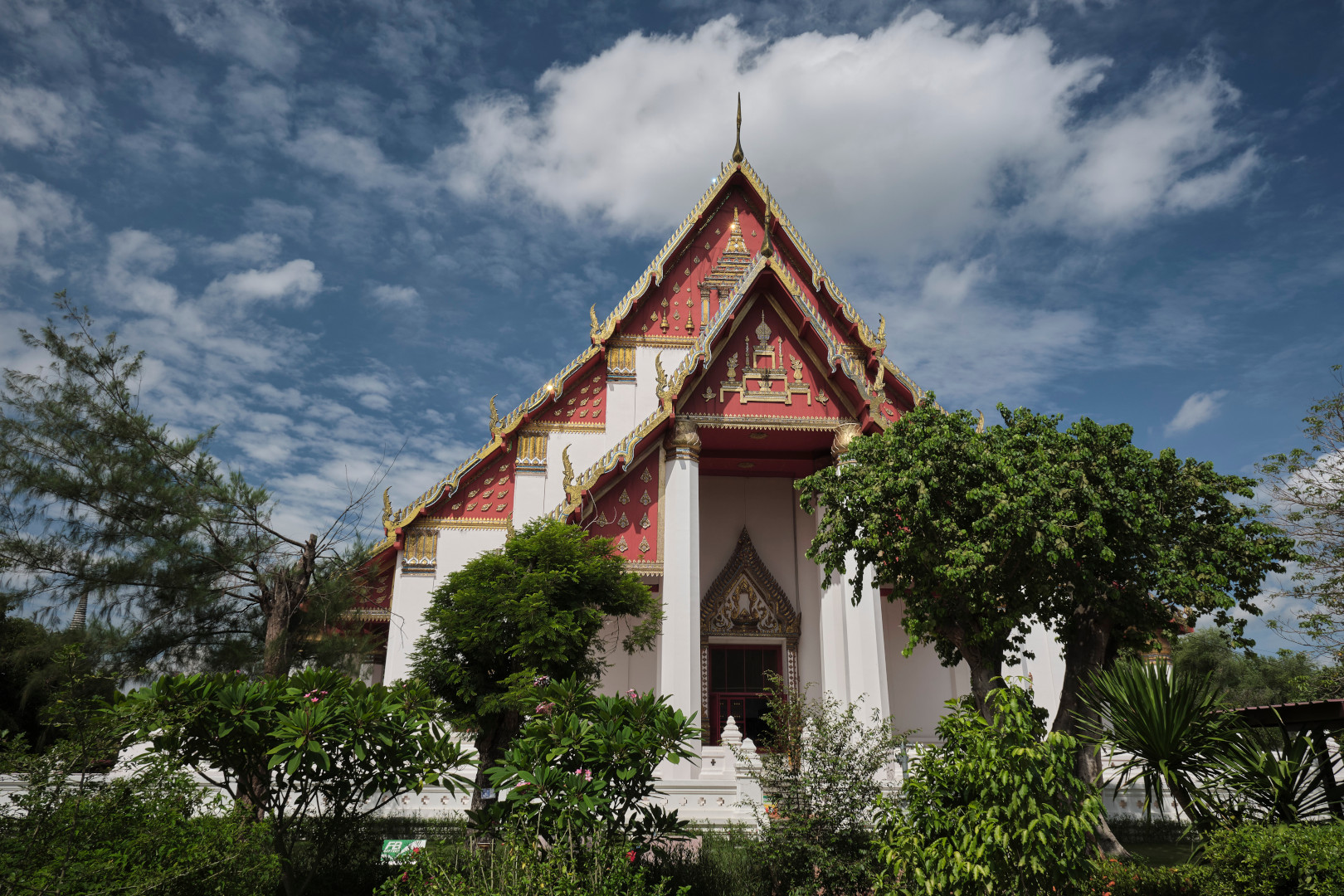
The first place we visited was Wat Phra Si Sanphet, and we found it by accident. We were actually looking for a market and were directed to Wihan Phra Mongkhon Bophit. There’s a good amount of free parking here, but the Viharn wasn’t up to much, and unless you wanted wooden souvenirs or elephant pants, neither was the market.

It’s a short walk from the Viharn to Si Sanphet, once you find the entrance. The entry price is 10 baht for Thai and 50 baht for farang. You can also get a multi-site ticket for 220 baht (farang price), which gives you access to all the sites, but they didn’t tell us about that until after we visited our fourth site!
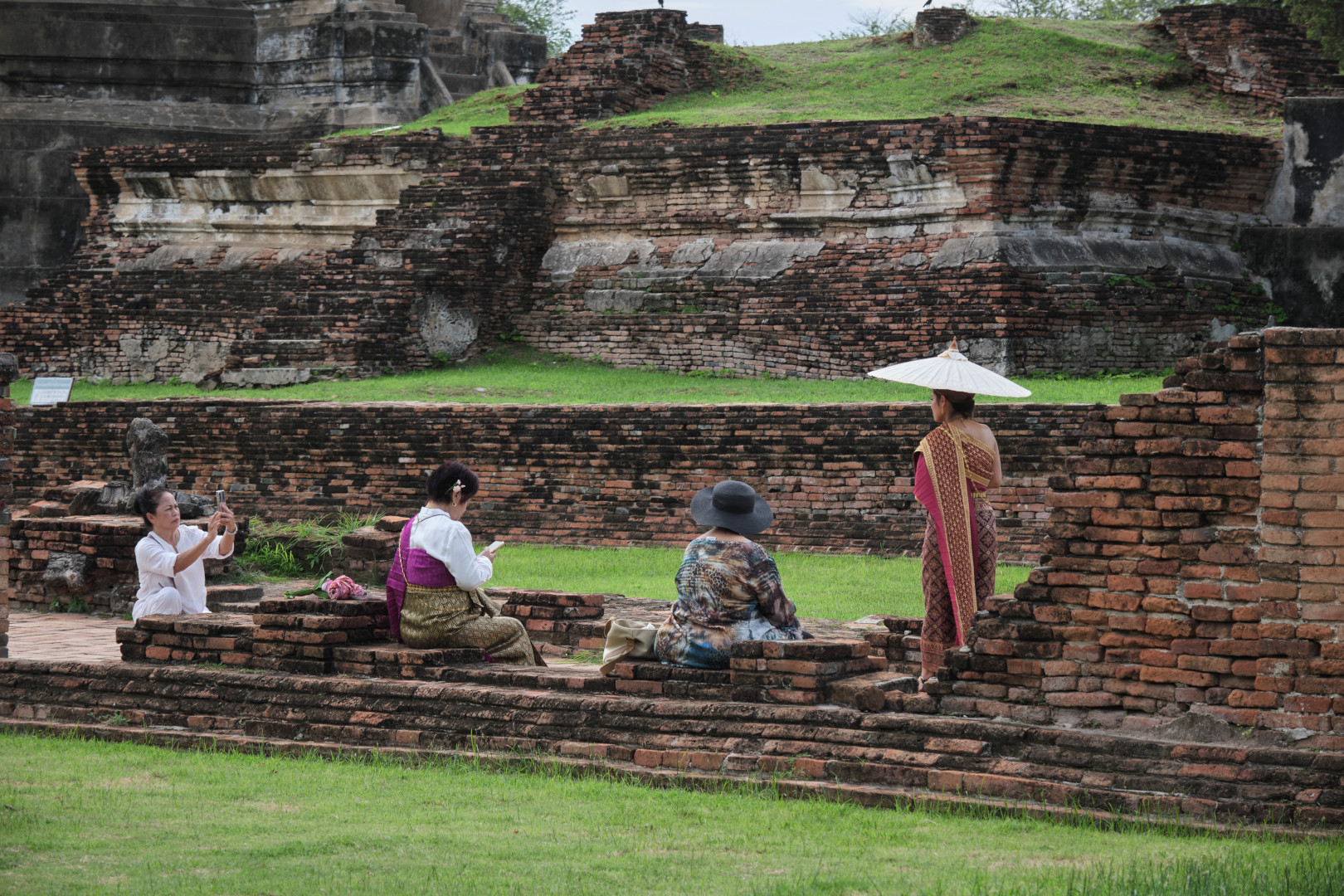
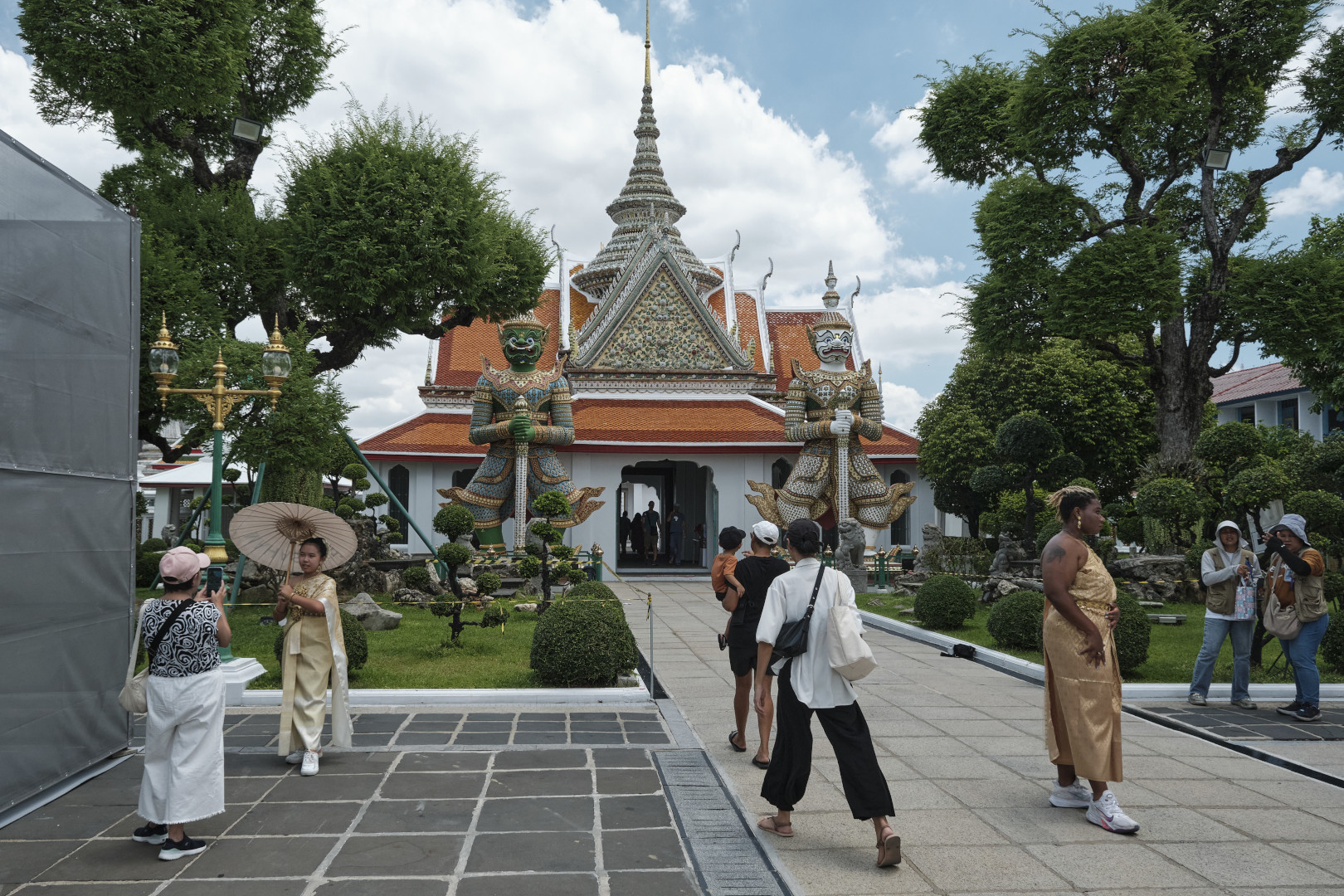
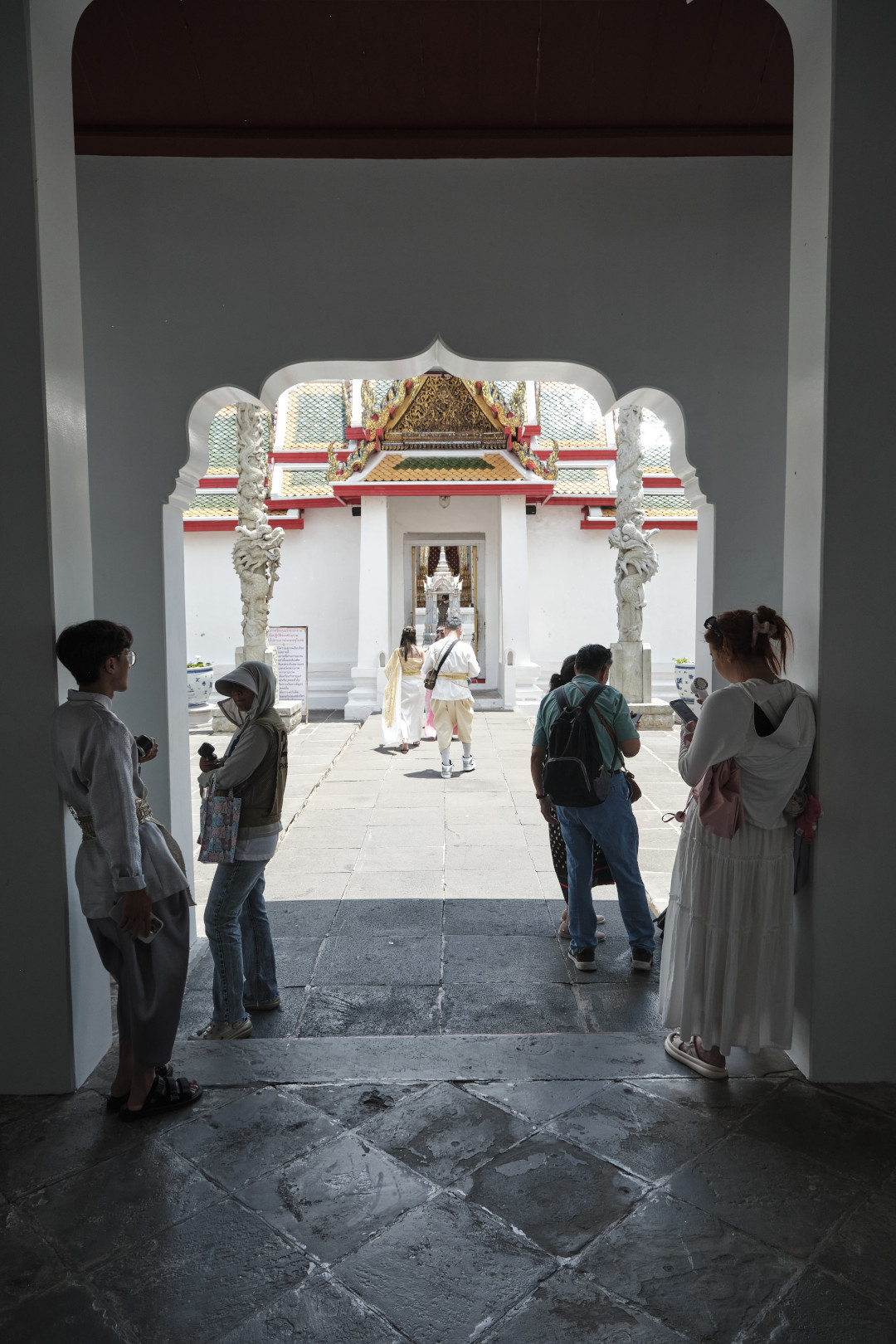
Like all the sites, you’ll find tourists wearing traditional Thai costume and taking lots of photos. Not as well organised as Wat Arun, there were no photographers jostling for position here and people were taking their own photos. That said, not many people were ‘dressed up’ at Si Sanphet.

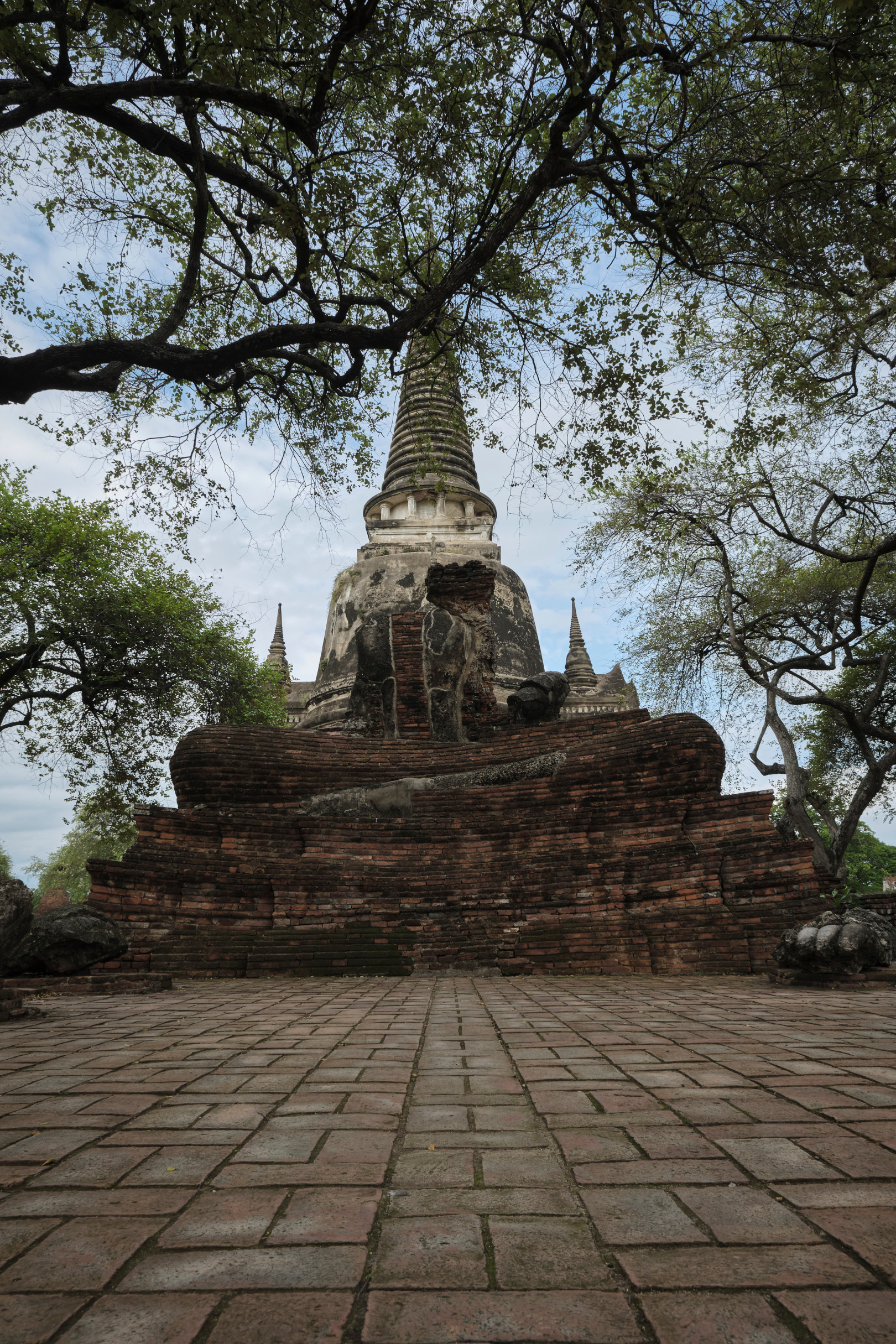
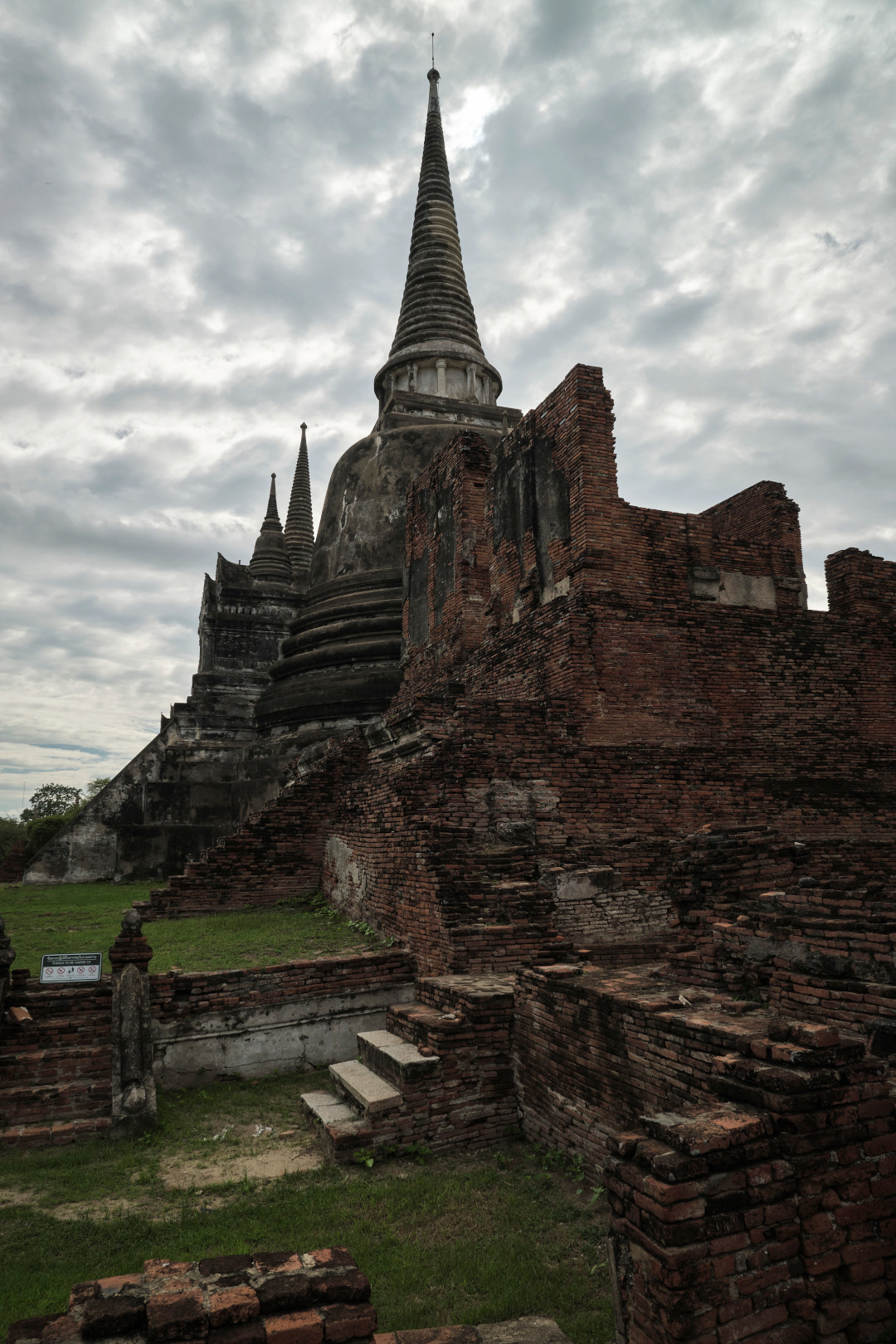
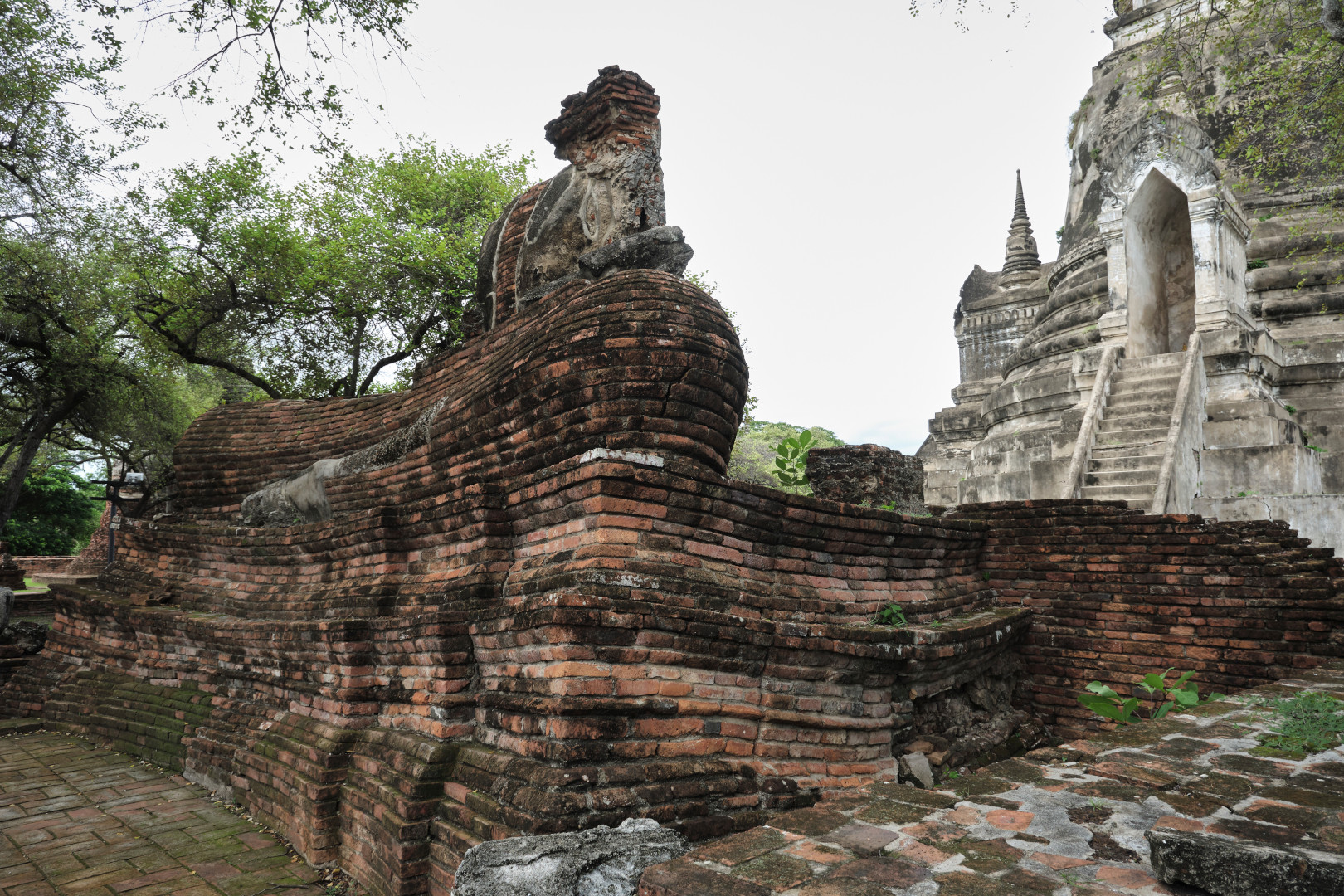
Si Sanphet’s main focus are the Stupas, which are really a small part of what was once a massive temple back in the day. My favourite part though was the broken buddha statue. Made up of thin bricks, it was amazing to see the many curves and shapes they were able to form. A real work of craftsmanship.

Although not as grand as some of the other ruins, Wat Phra Si Sanphet is probably the most significant of them since it was located in the Grand Palace and served as the royal chapel, the palace eventually becoming a monastery and the largest temple in the city. Now it gets overshadowed by the other, ‘more spectacular’ sites.

All in all, it was a nice, quiet – accidental – introduction to the many temples of Ayutthaya.
Wat Arun, Bangkok

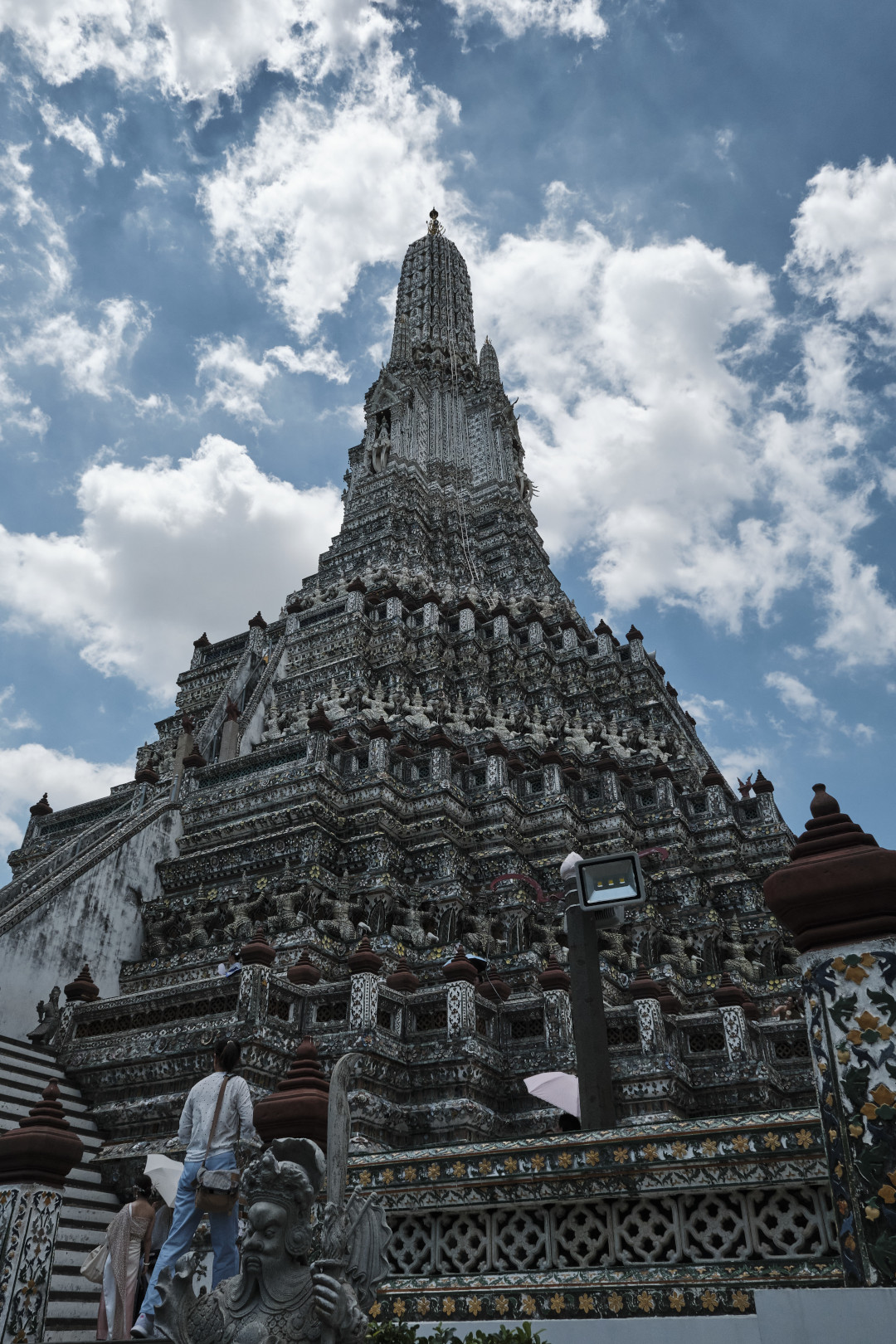
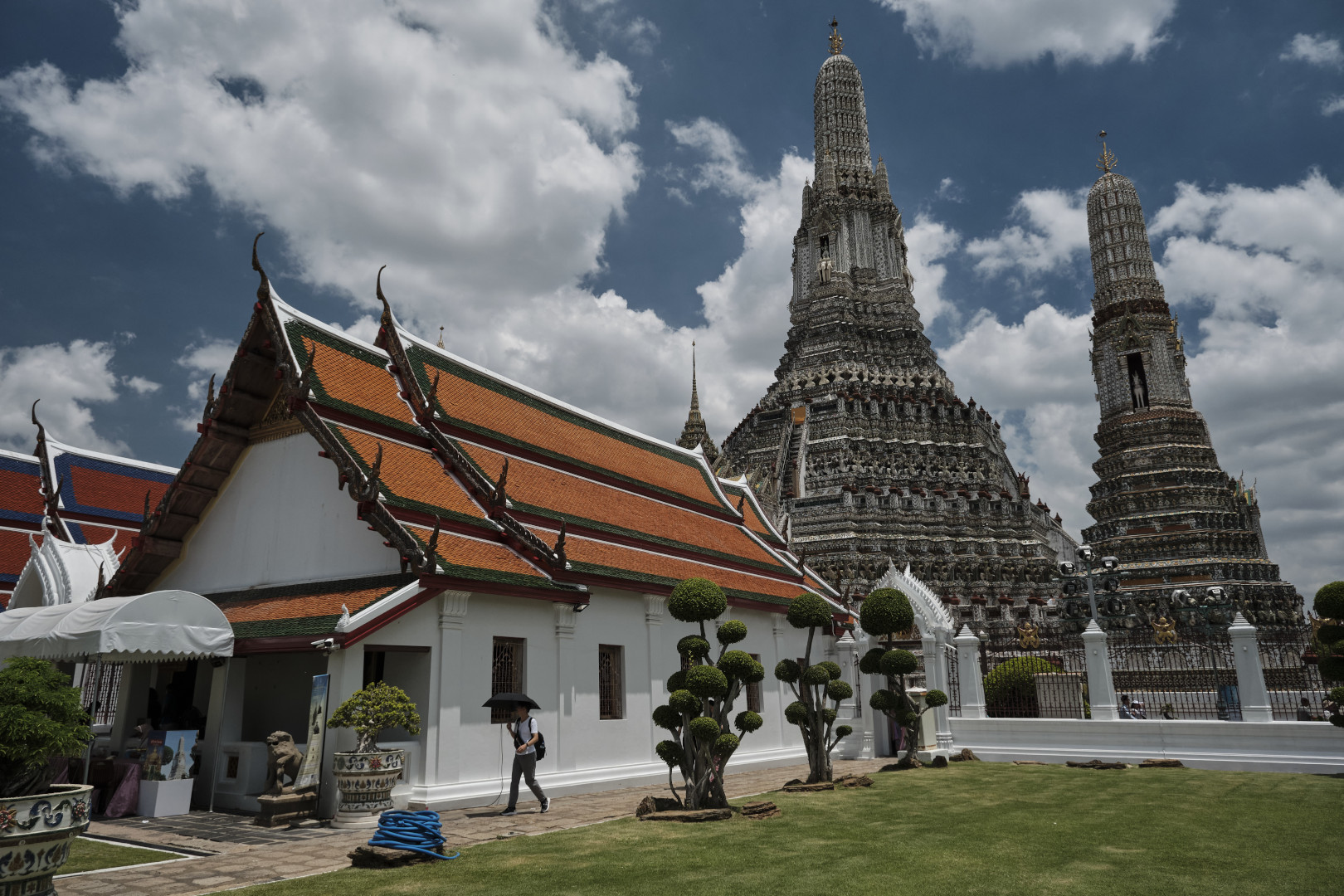
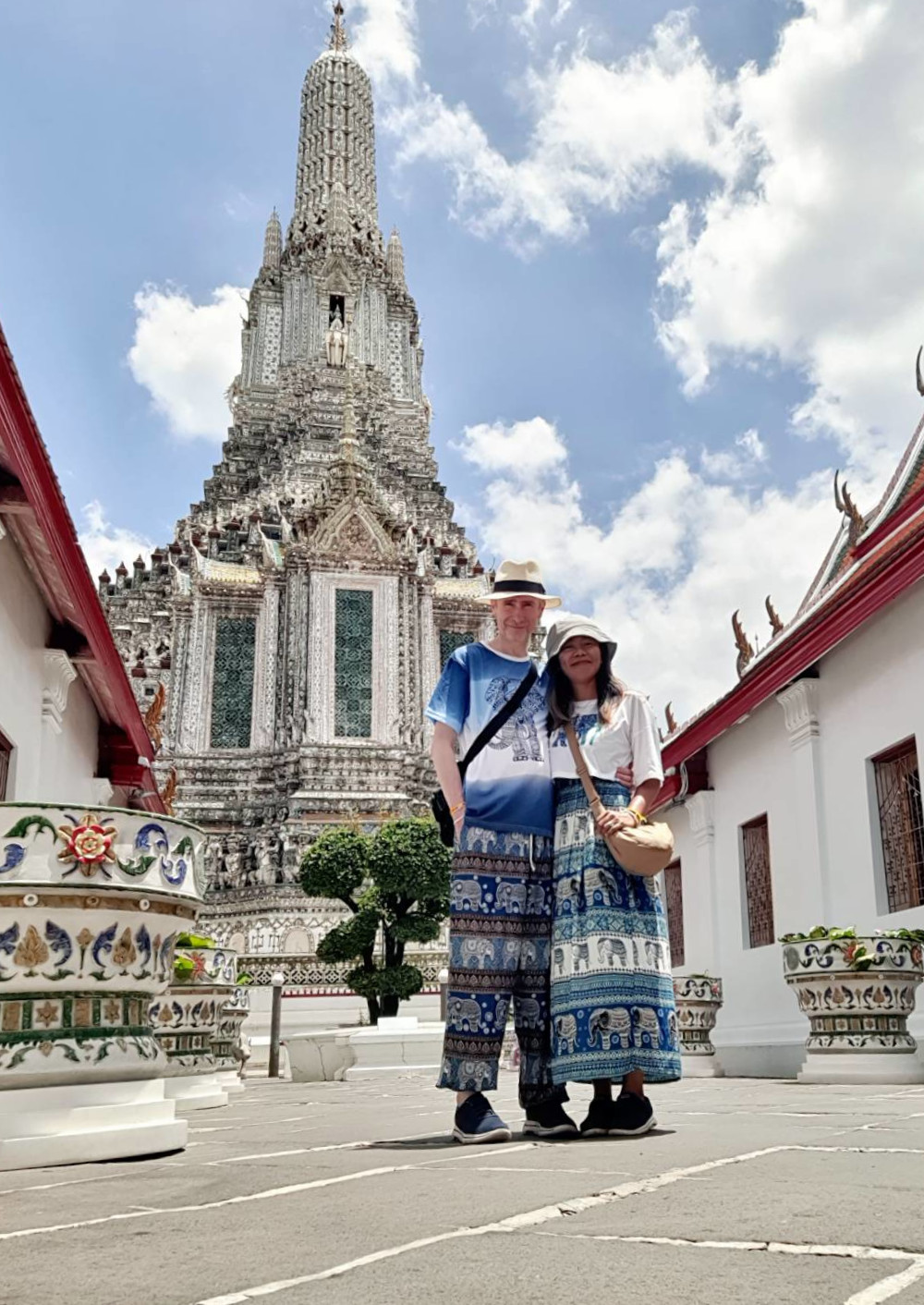
If you are in Bangkok and wanting to visit one of the many temples in the city, then Wat Arun is probably somewhere near the top of the list, if not at the top. It’s a popular place. Wat Arun Ratchawararam Ratchawaramahawihan to give it it’s full title, is located on the west bank of the Chao Phraya River, and is the largest Wat I’ve visited.

Kay & I have tried to get here several times. Last time we got close, having survived the bus of death (at one point the driver faced off with police and we though he might just run them over!) This time we tried the MRT Blue line to Itsaraphap station and walked about 10 or 12 minutes to get there. Nice and easy (and no life threatening bus rides). You’ll soon know when you are there. The Wat is a large site, walled off, and on the opposite side of the soi are shop after shop after shop selling traditional Thai costume with photo packages.

Entry is free for Thai nationals and 200 baht for foreigners and you get a free bottle of water, which given the heat, was gratefully received. There are plenty of shops & cafes within the Wat, so you can easily find ice cream, drinks and elephant pants if you need to cool down. (In fact we found elephant pants for 100 baht – bargain!) People may joke about the old elephant pants, but honestly, on hot days, you will be very glad to be wearing them.

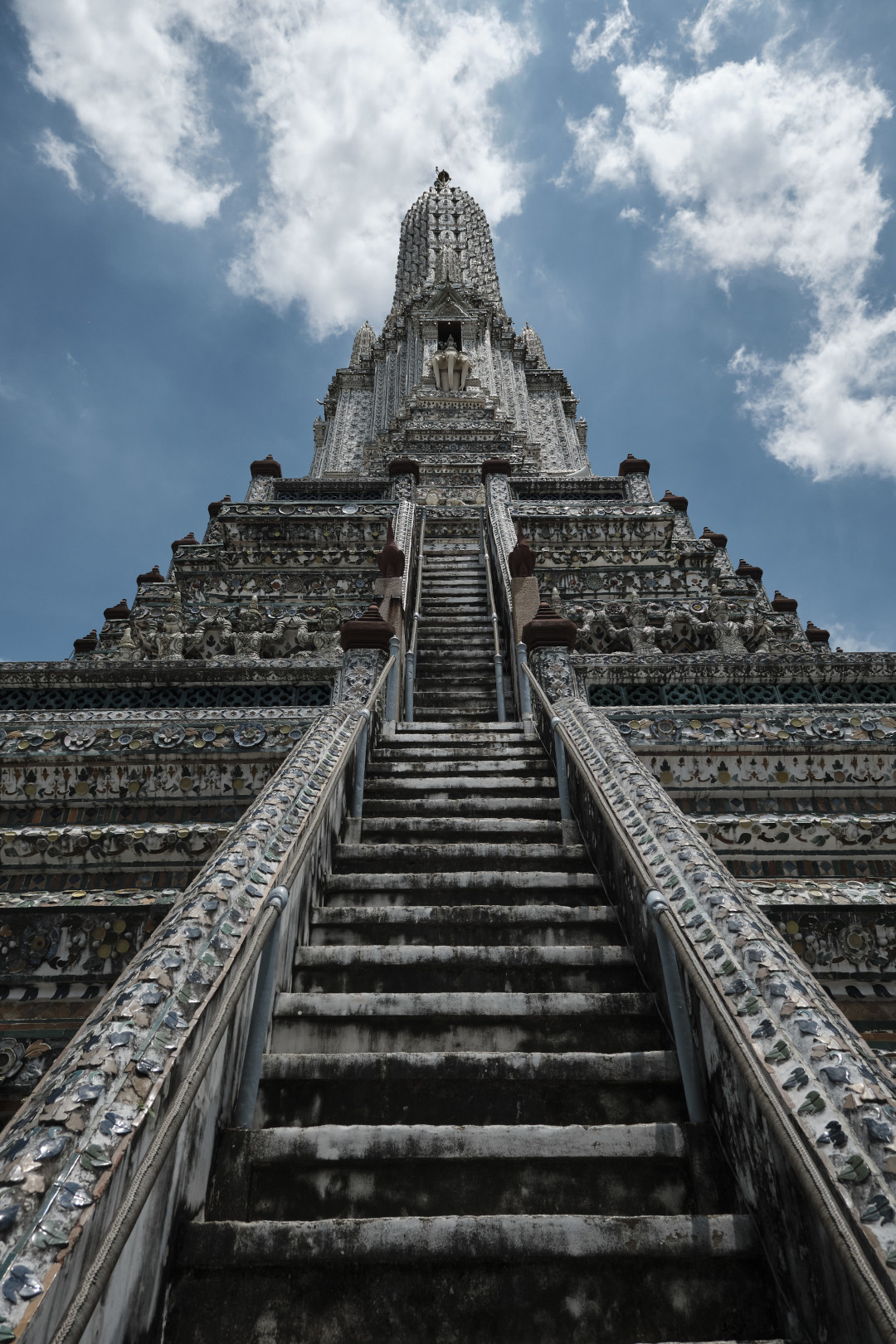
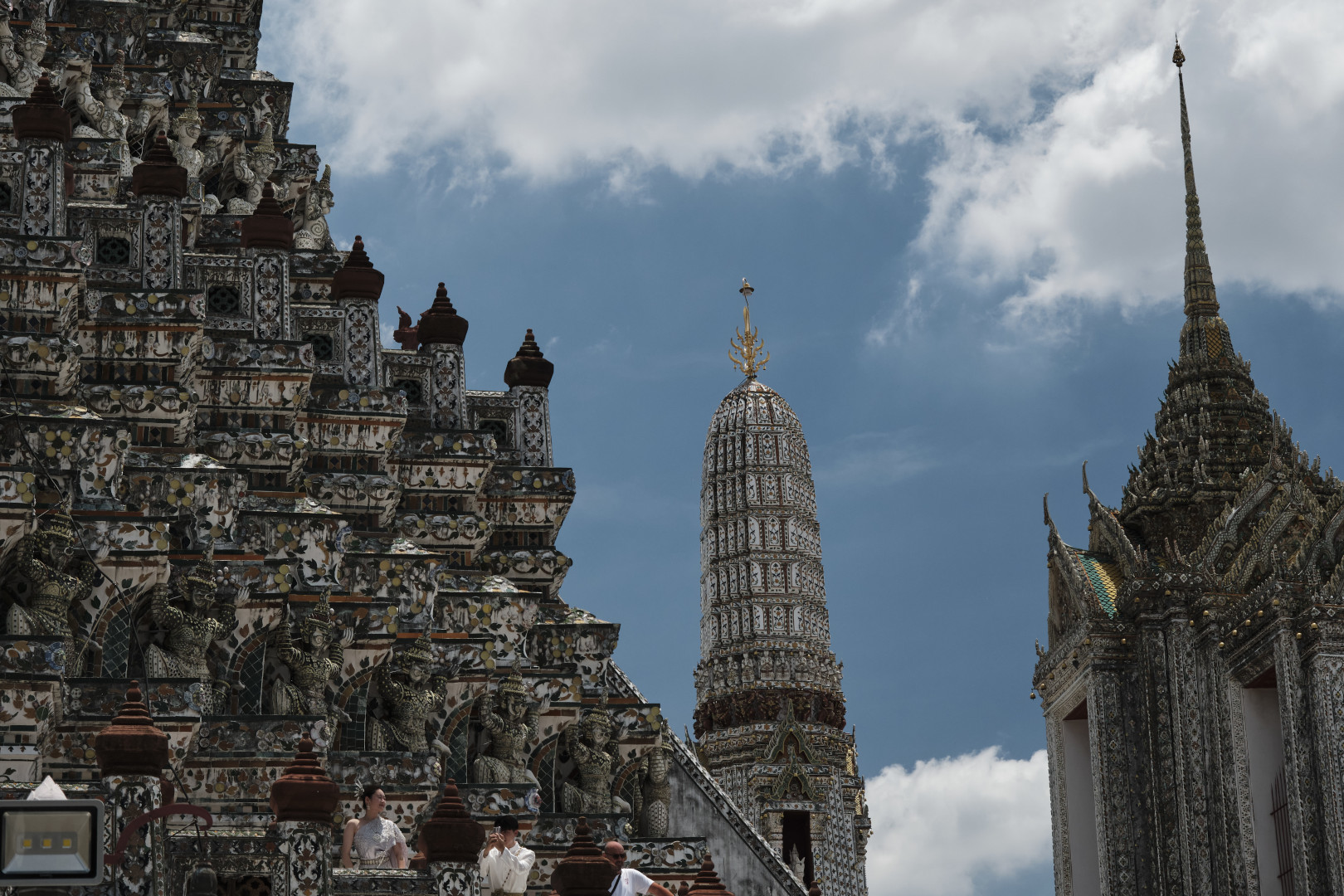
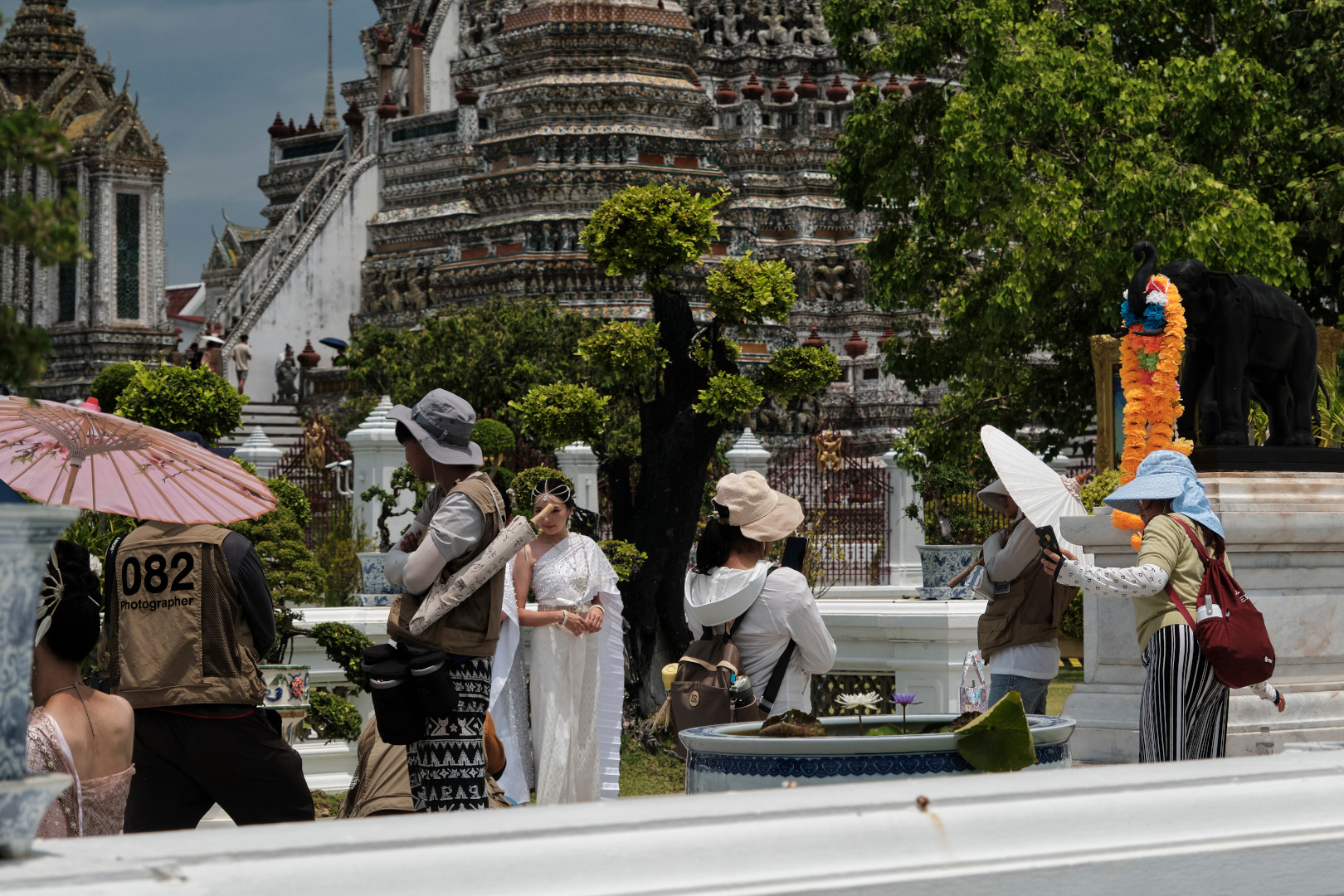
The main attraction of Wat Arun is the large Prang. It’s a stunning sight, but be prepared, most of the people who bought photo packages will be around here and in some places it’s hard to move, so patience is required.

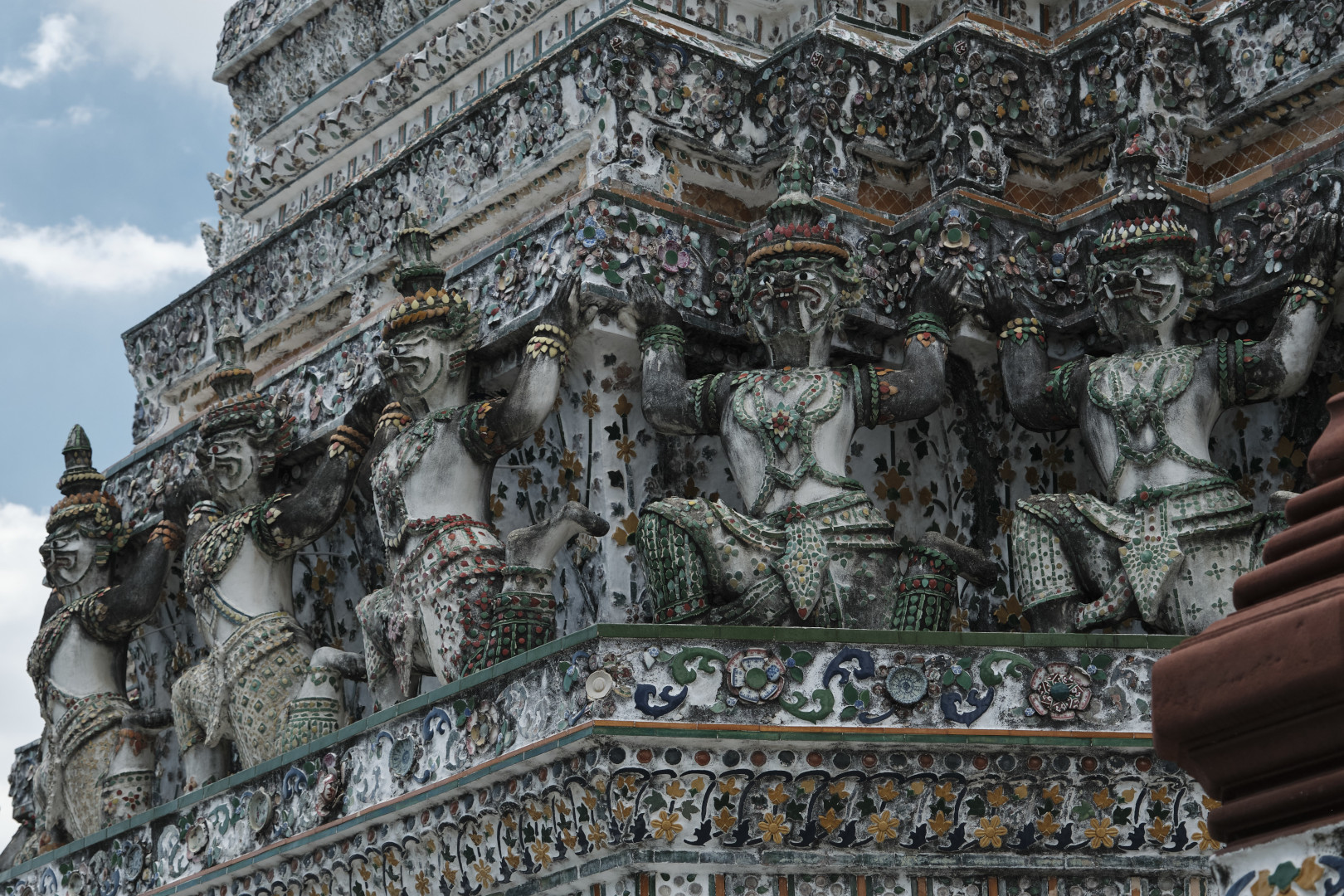
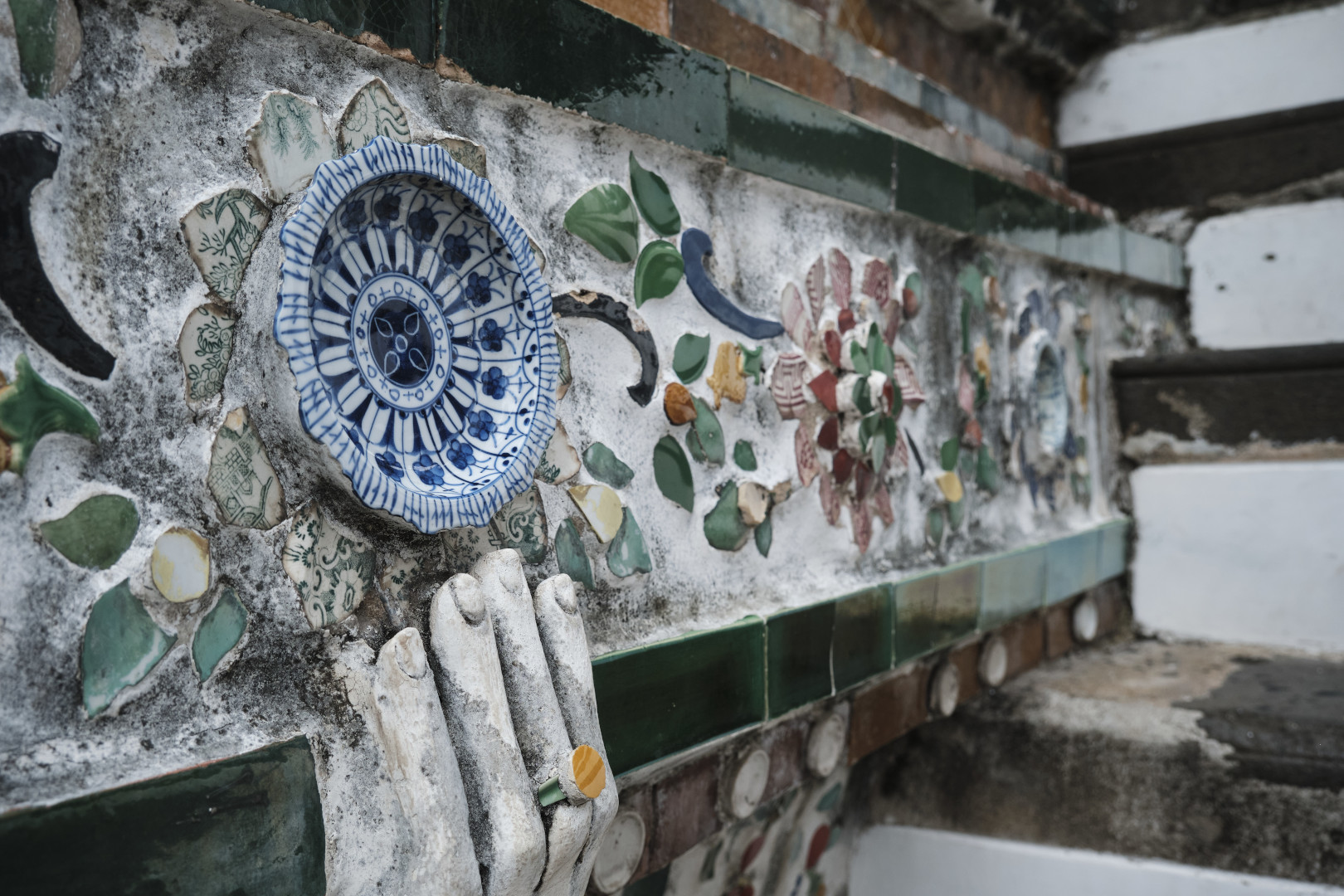
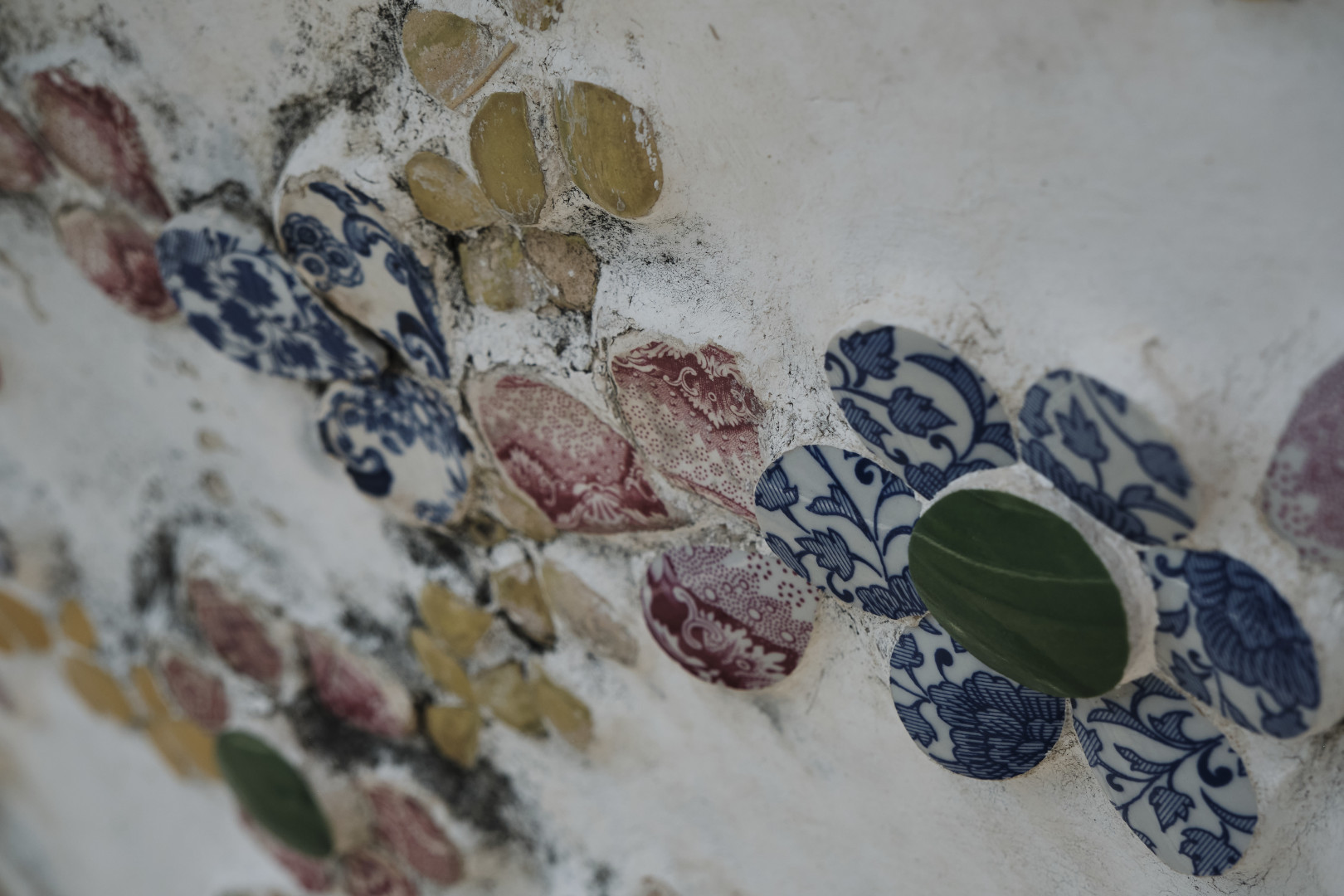
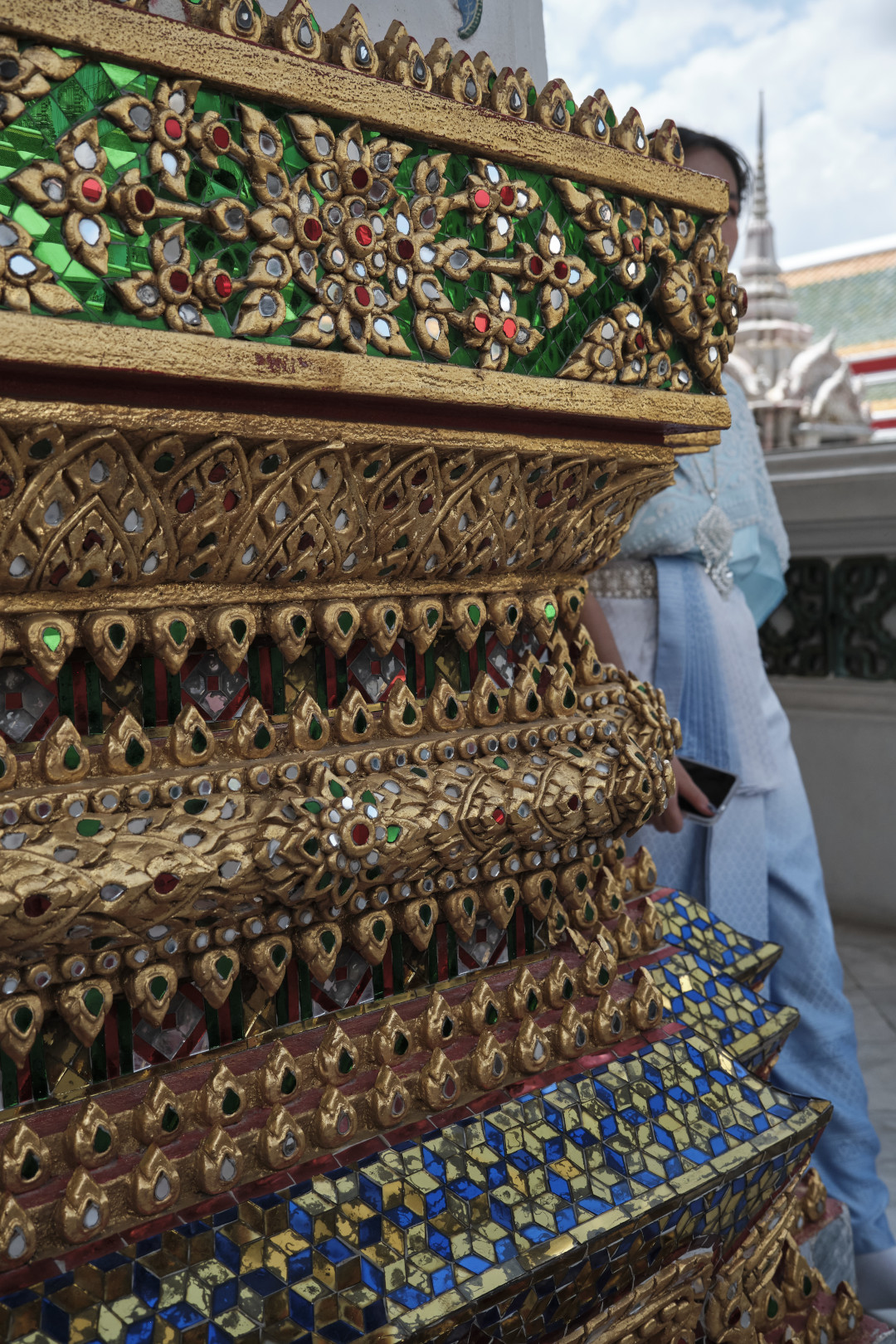
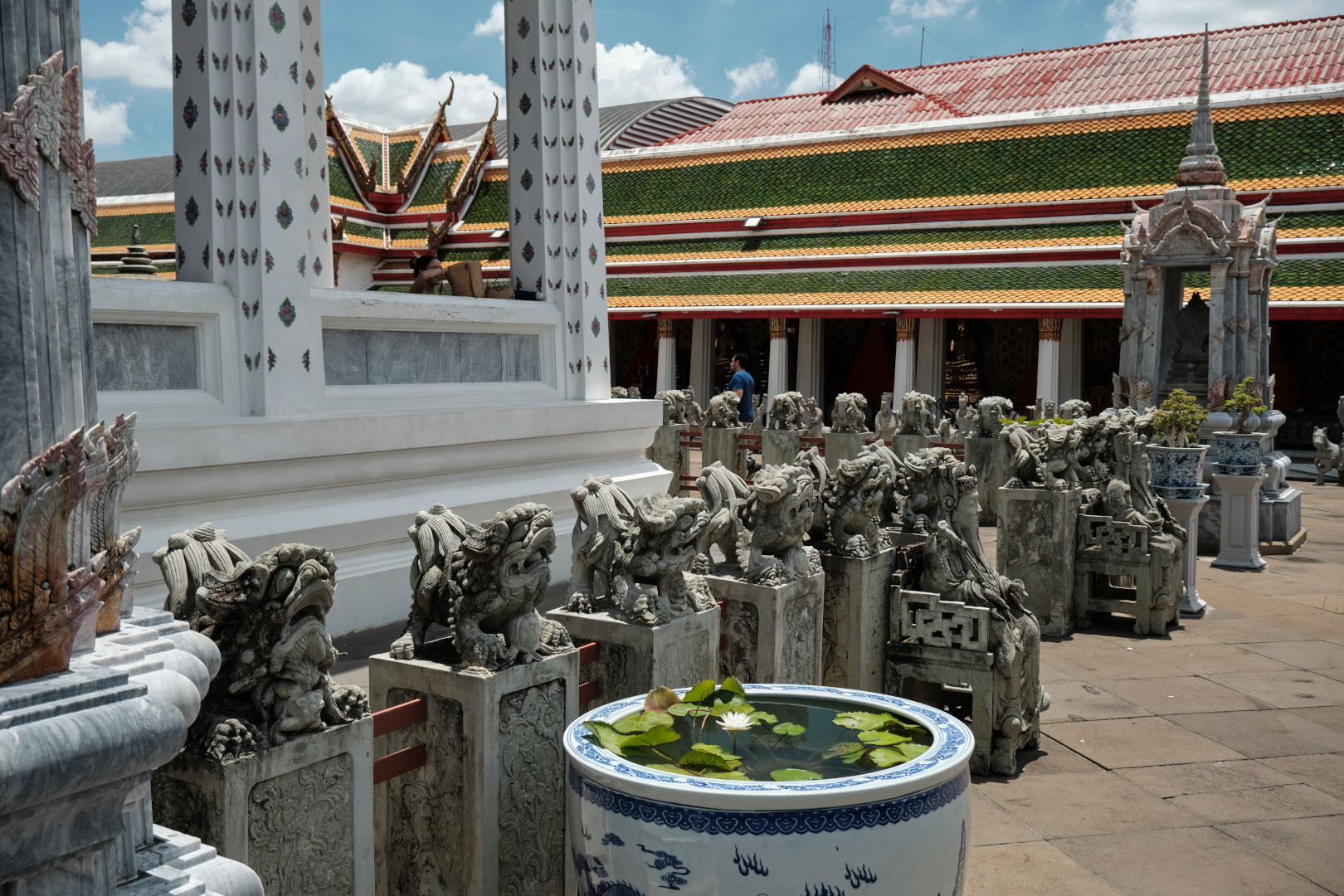
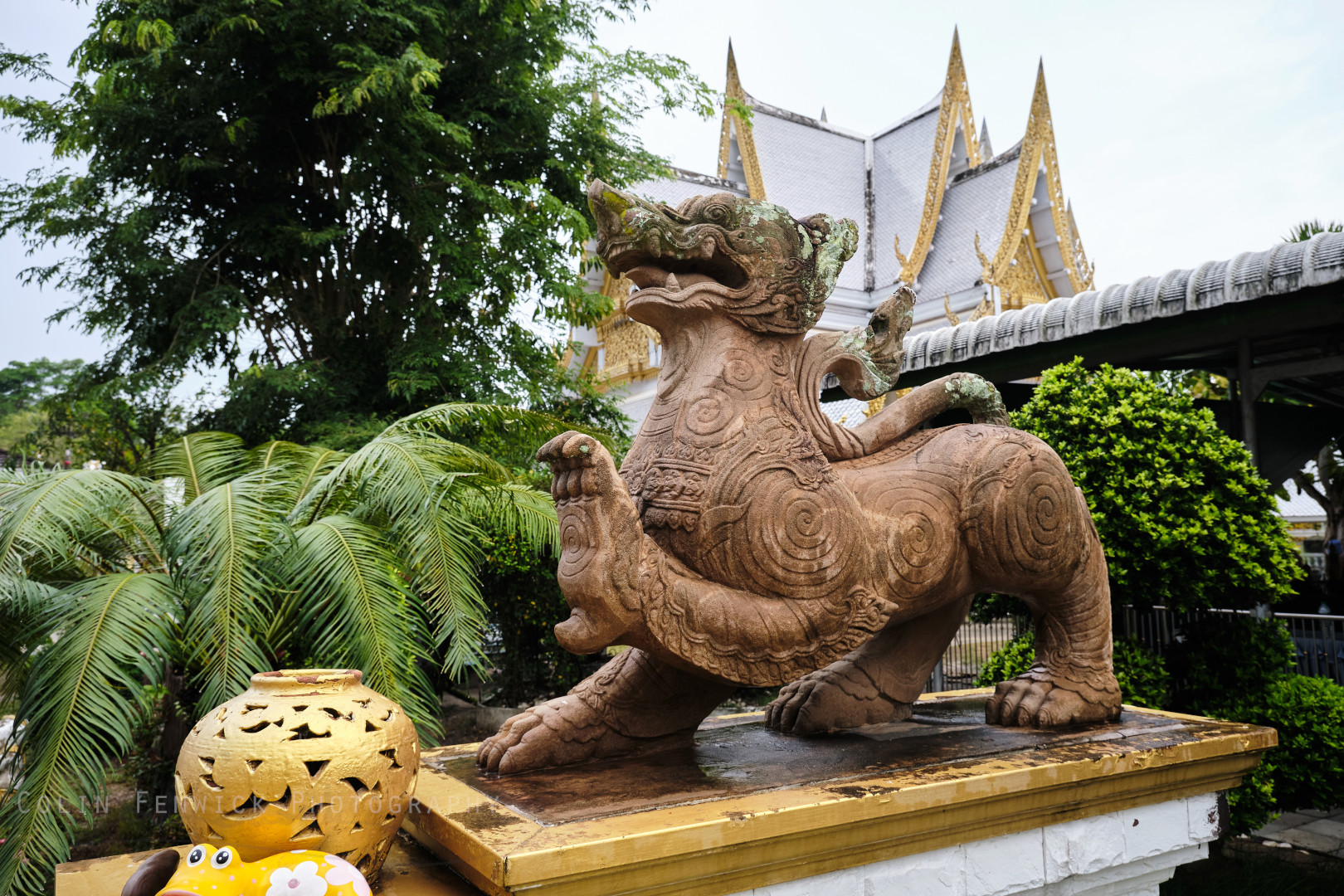
The main Prang is surrounded by four smaller Prang and each is covered in a white render embedded with pieces of porcelain, which give it a little colour and reflect the light. There are the usual Thai motifs of Garuda, Naga and Yaksha all over the Prang, and plenty of Pixiu standing guard throughout the Wat.

As amazing as the Prang was, it was good to get away as there were just too many people. It felt less like a temple and more like a tourist trap. Away from the Prang and things get a little calmer. There are several Viharn on the site and in one we were able to get a blessing from a monk. The blessing is simple, you kneel, hold out your hand while he ties a string around your wrist and then sprinkles water on your head and shoulders. One highlight for me was that I was already wearing an orange bracelet from a temple in Loei and when he saw that, he gave me a thumbs up and extra oomph in his blessing (something along the lines of be safe, fearless, merciful, supported, meritorious & rich in wealth).

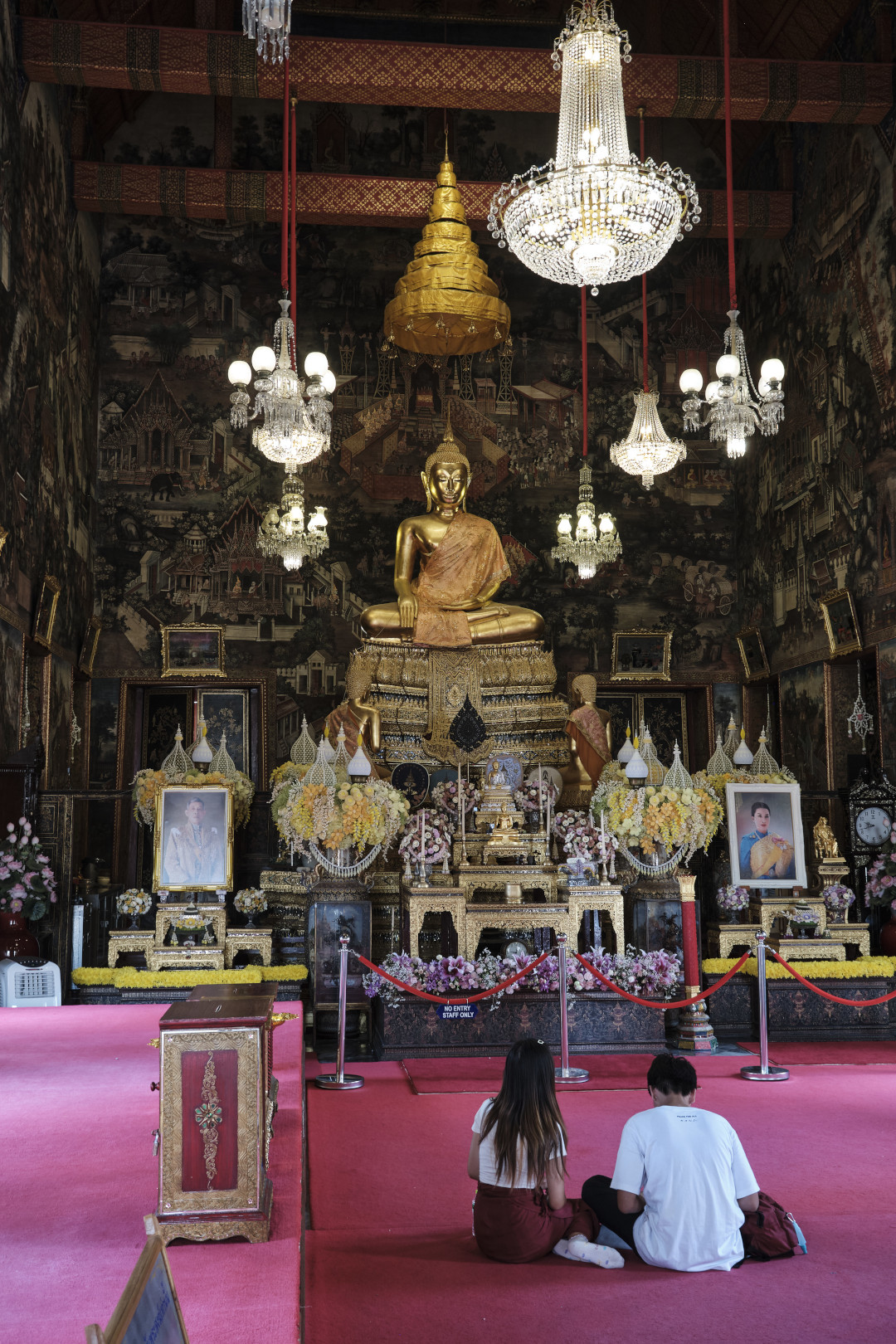
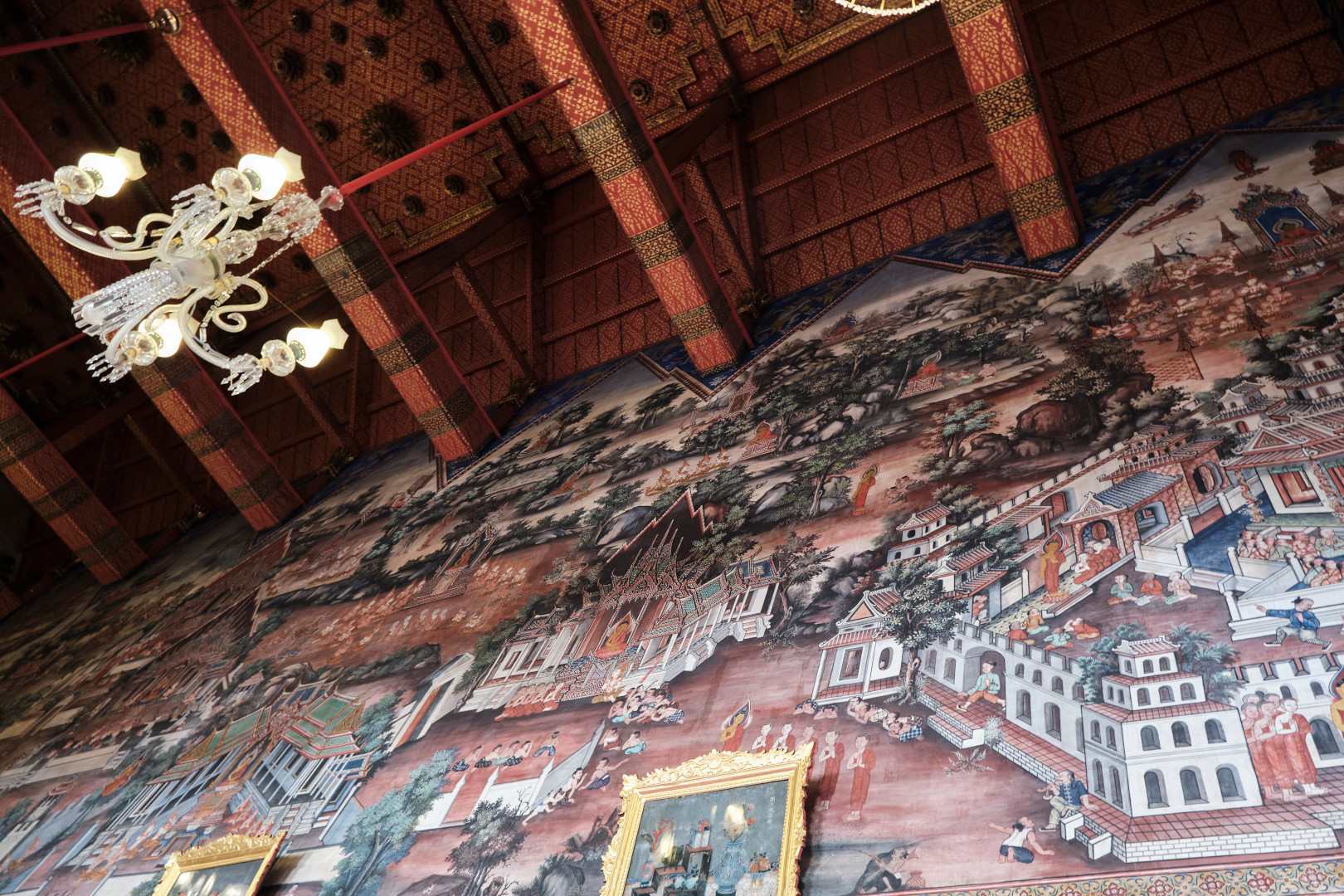
There is also an ordination hall in which you can pray and this was nice and quiet. The walls and ceilings were painted in a vast mural. I tried to photograph it, but they didn’t come close to capturing the detail or the scope.

Wat Arun originates from the Ayutthaya period, and you can certainly see the similarities with some of the sites there. It’s nice to see the Wat be so well maintained. Having been to Ayutthaya, I wondered what those sites would have looked like had they not been destroyed, and Wat Arun gives us a glimpse of what they might have looked like back in the day.

I can see why it is such a draw for tourists, the whole Wat is massive and the Prang is spectacular, but for me it was just too crowded, and of all the Wats I’ve been to, my favourites have been the quieter ones, but after trying to get here for so long, it was good to finally tick this one off the list.

Wat Nong Krap

Wherever you travel in Thailand, you will see large signs over the road with suggested places to visit. There was one in Rayong that we drove past most days and on it were three temples, Wat Lahan Yai and Wat Lahan Rai, which we had been to before, and Wat Nong Krap. Because I have the sense of humour of a 13 year old, that one always made me chuckle. Since we were going to be leaving Rayong, I suggested we actually go visit it and see what the fuss was all about.

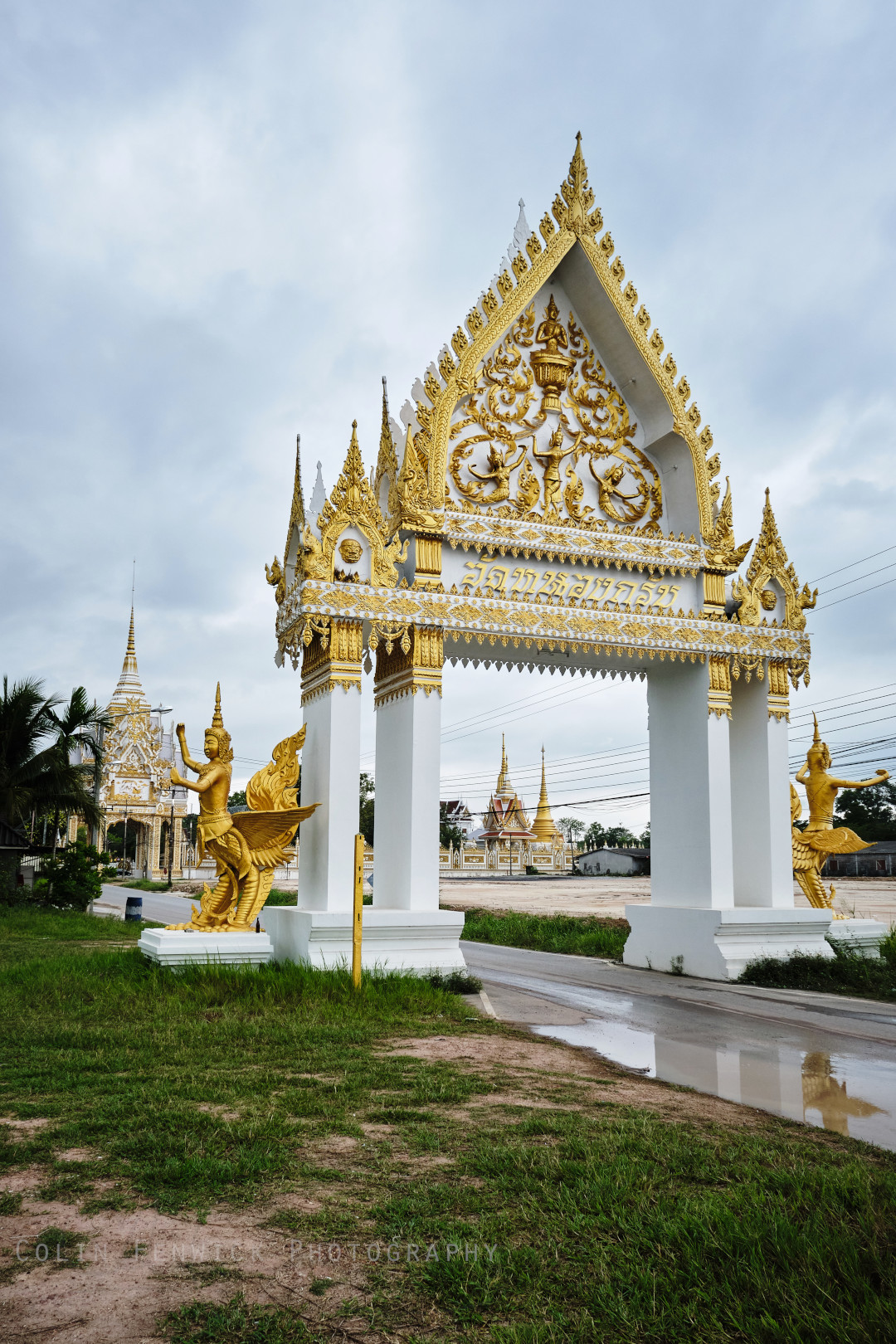
Wat Nong Krap is located north of Muang Rayong and Ban Khai and is well off the beaten track, which is actually a good thing as the Wat is quiet and not overflowing with tourists.

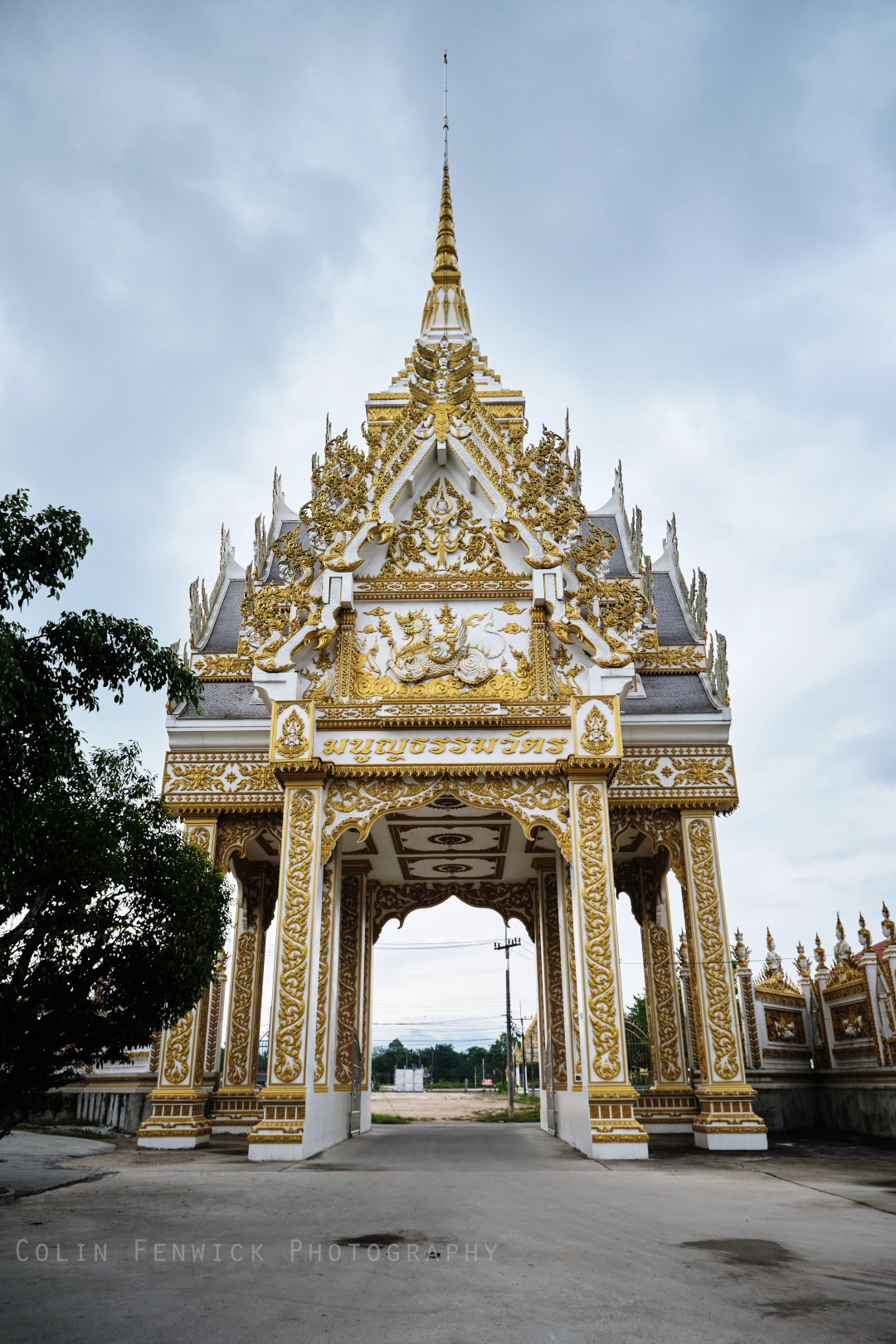
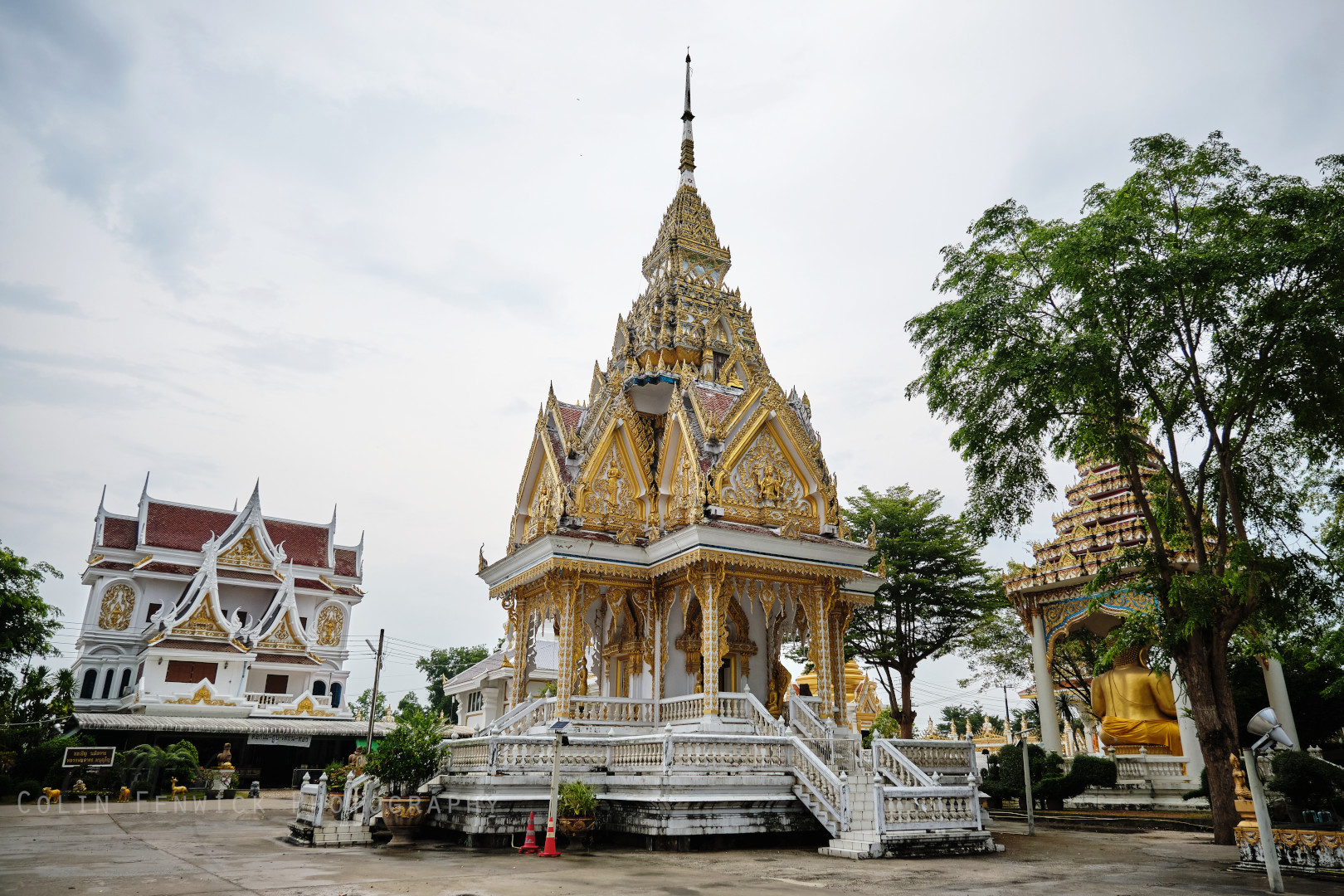
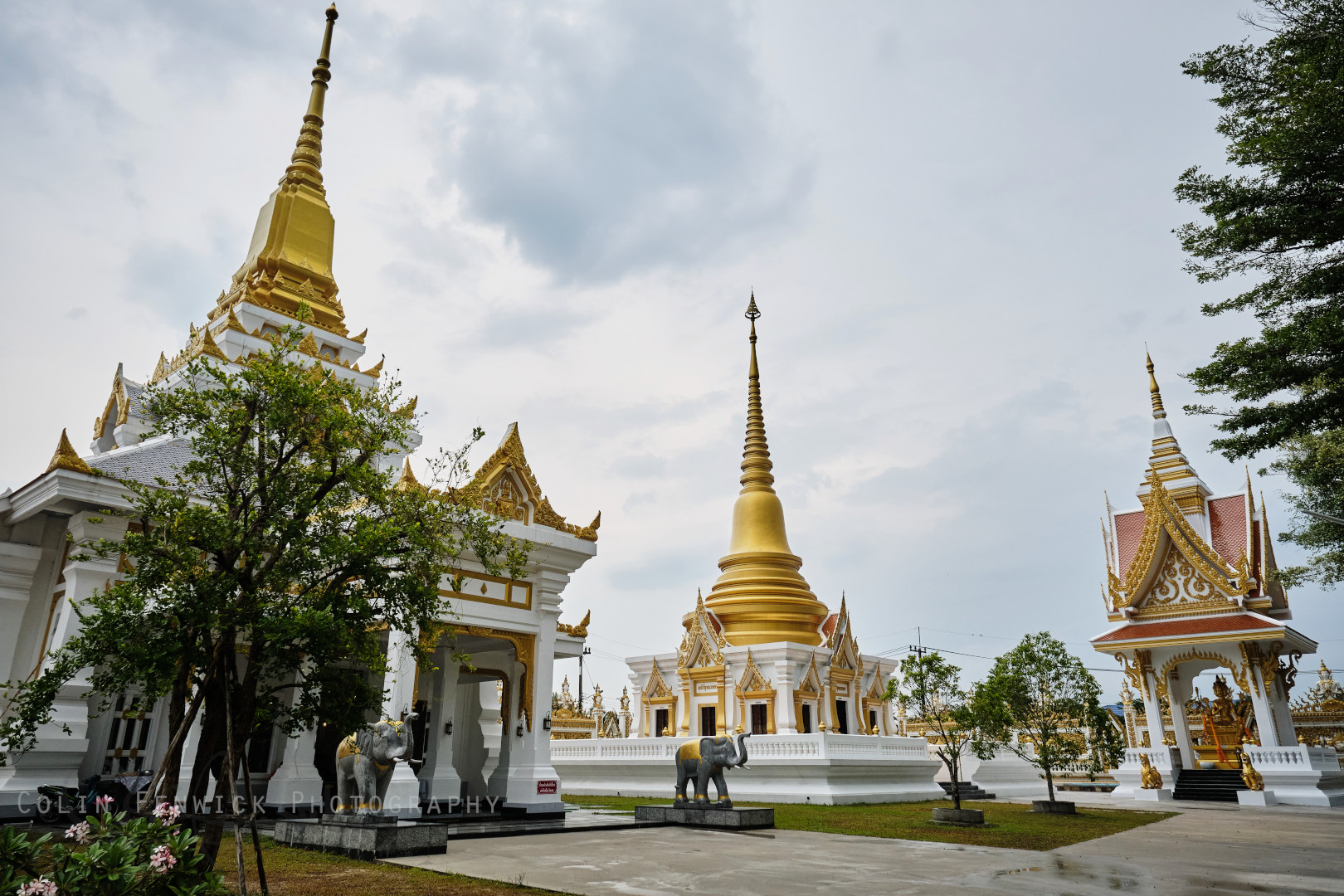
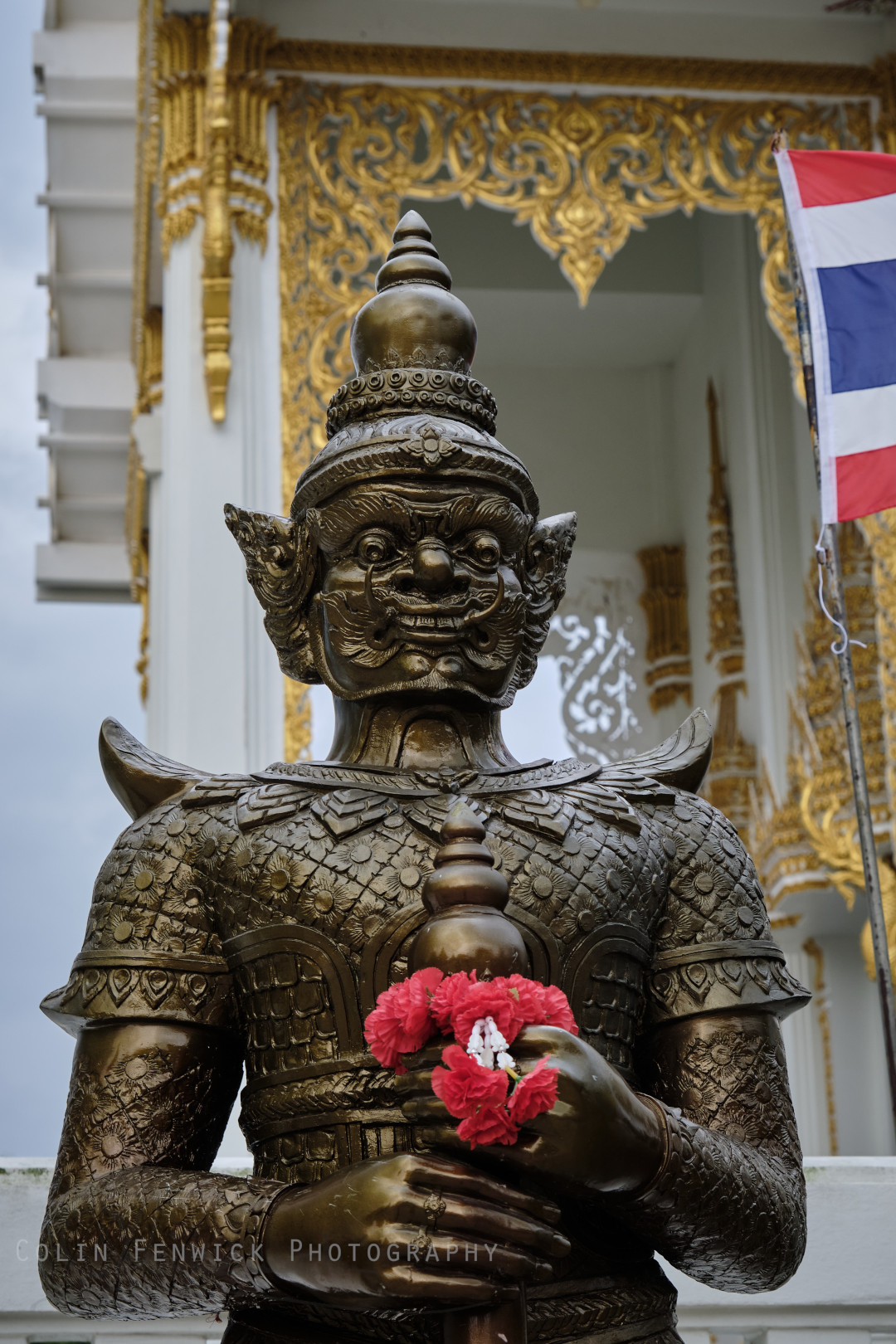
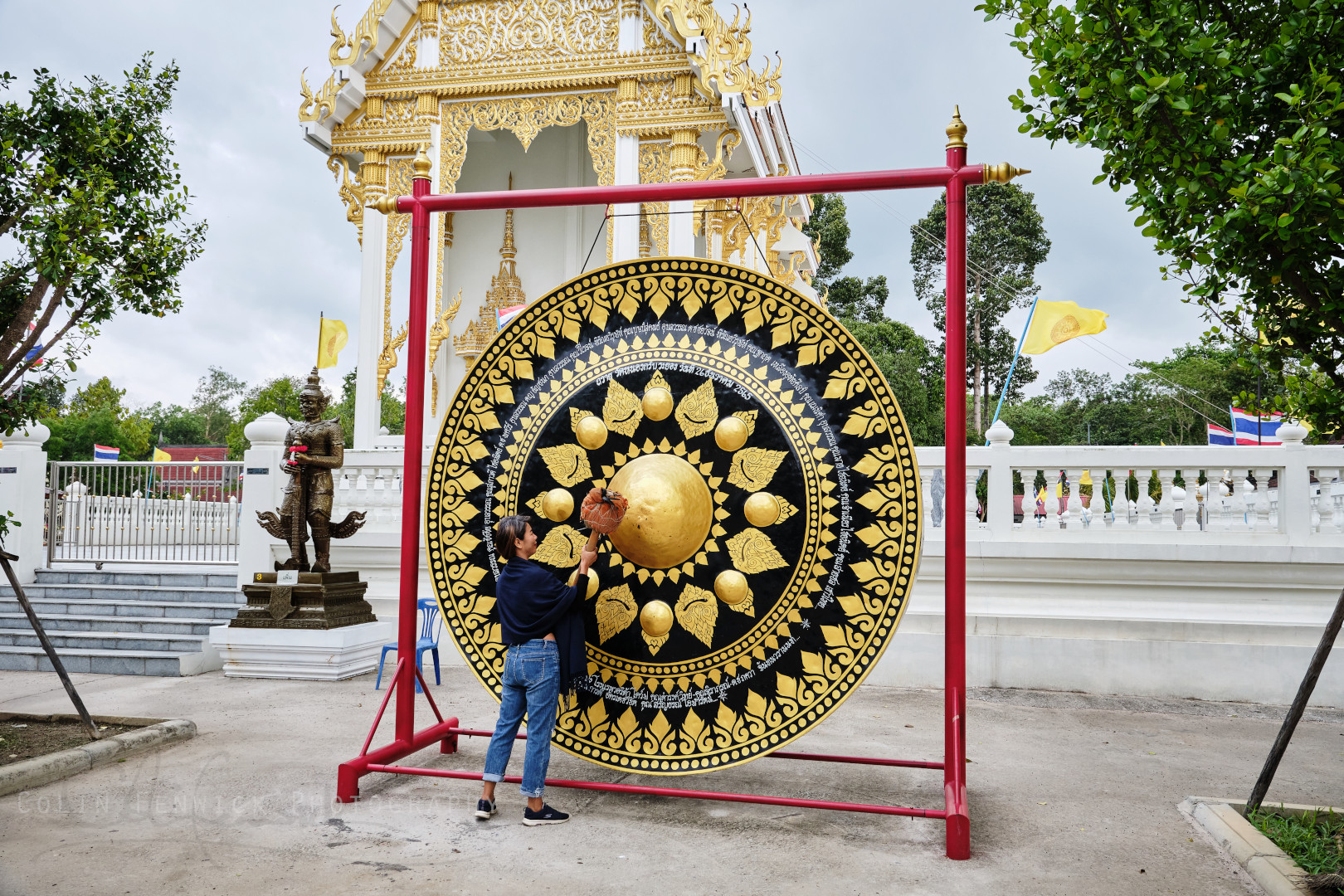
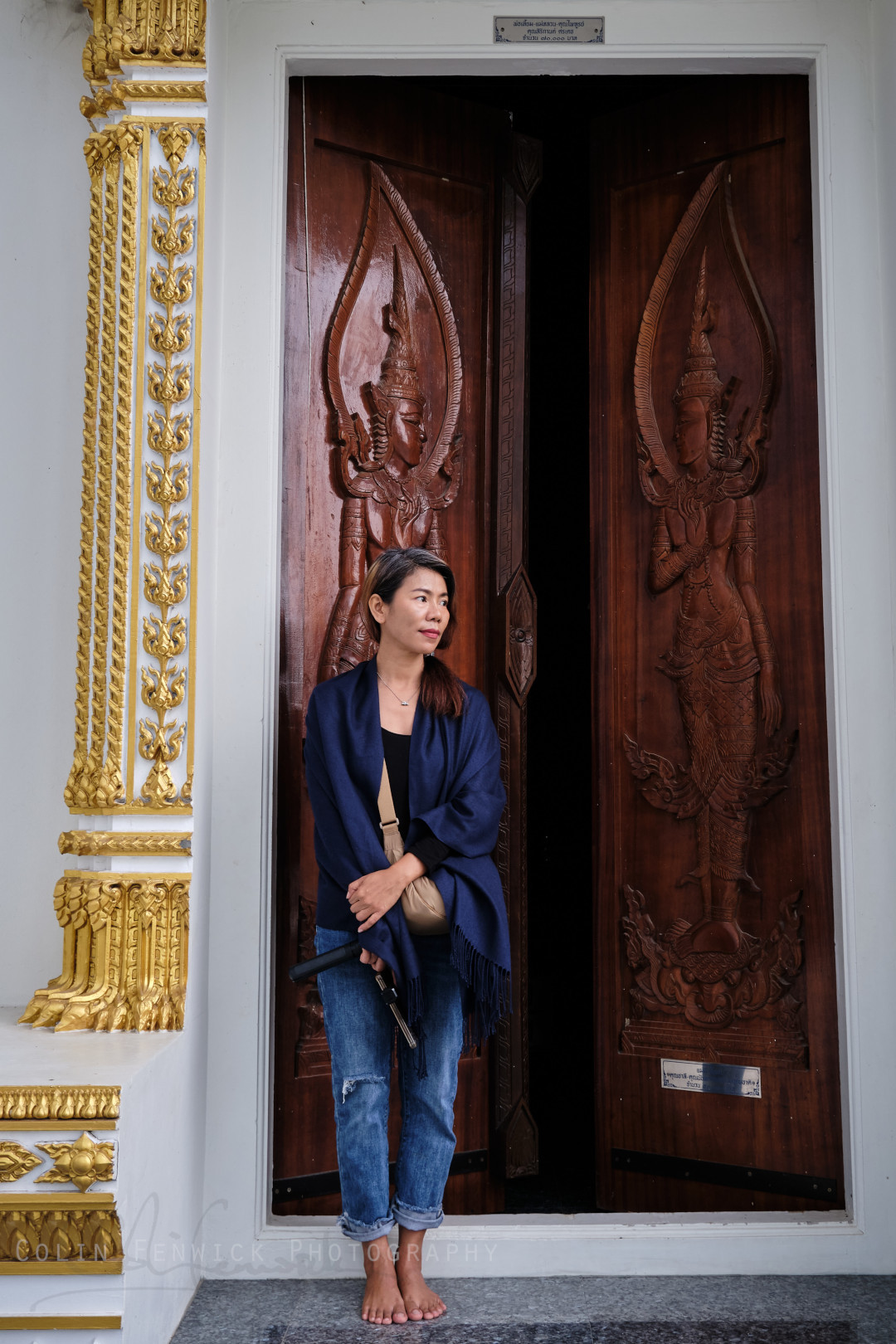
The Walls, entrance and buildings are decorated in white and gold and they look stunning. The interior of the main Viharn is dark wood and a great contrast to the exterior walls. Surrounding the viharn are a number of Yaksha guardians standing watch around the building and you can place coins in boxes at their feet for a variety of blessings such as money, love, happiness, peace and luck.

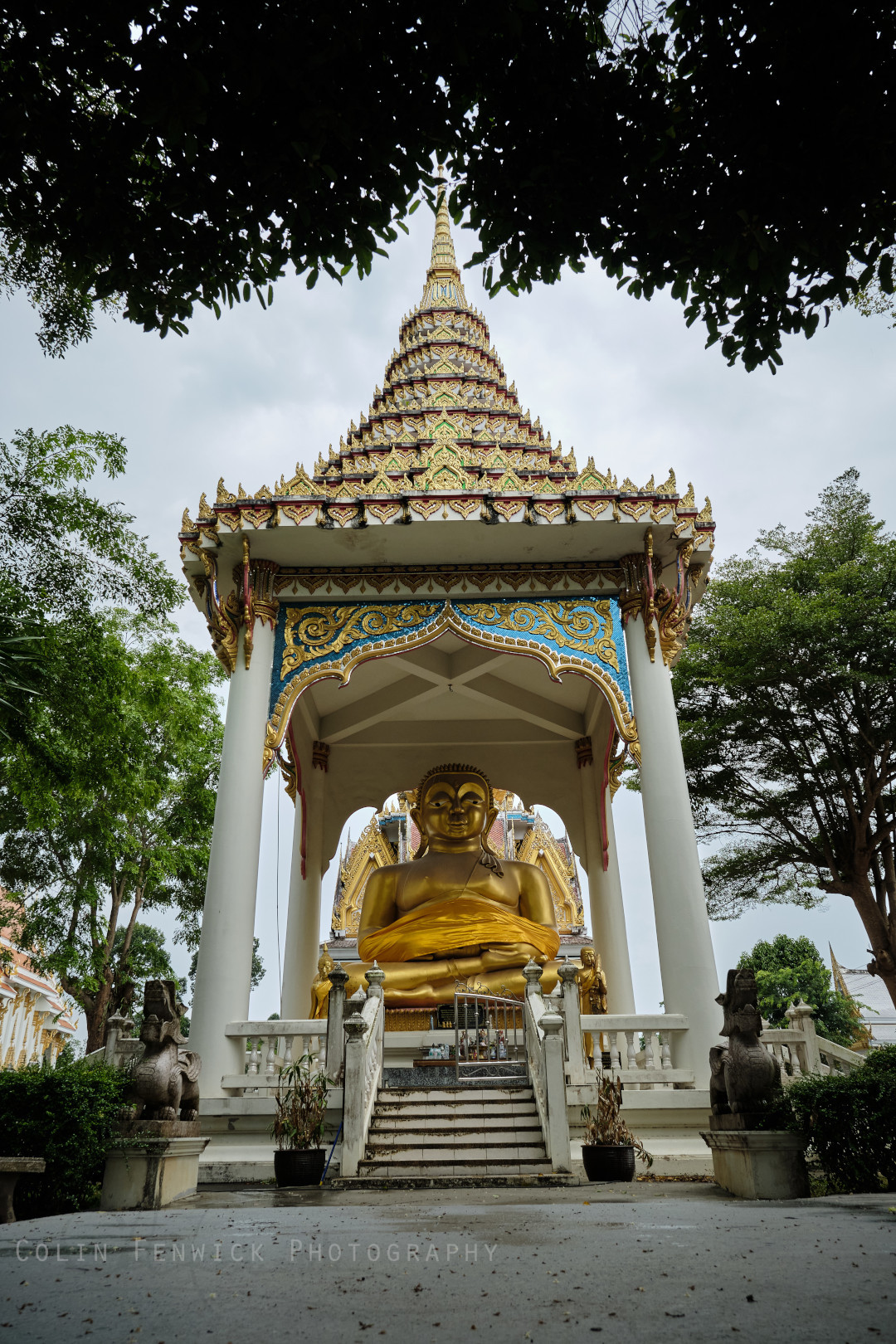
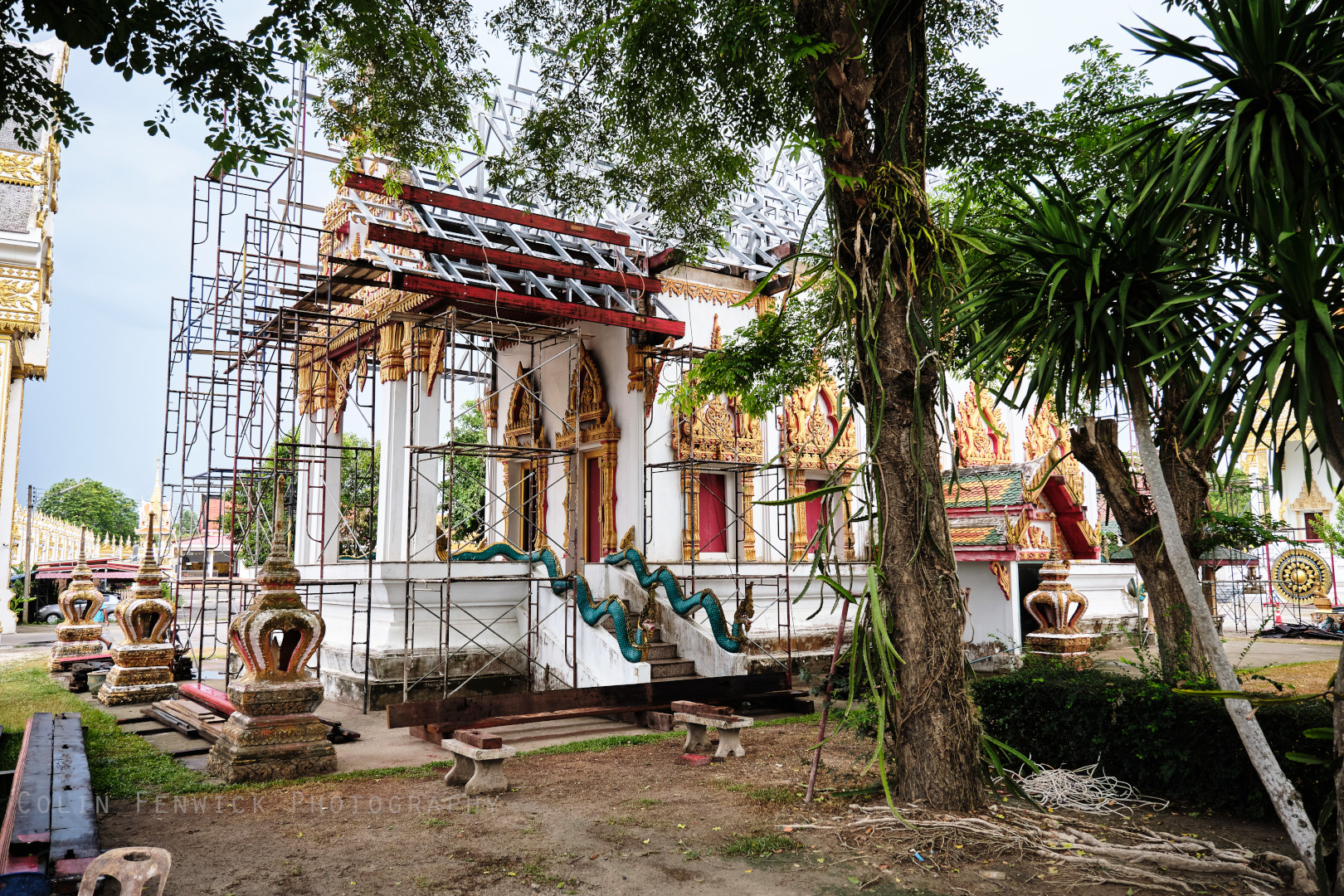
There are a number of smaller buildings – a smaller viharn being repaired, bohts and pagodas and a cross-eyed buddha – spread out over quite a large site, along with the usual collection of Garuda, Naga, Yaksha and Pixiu that you often see around Buddhist wats.

It’s not the grandest or busiest or most popular wat, but I have to say, so far, it’s my favourite. The white and gold looks special without being overly grandiose and the atmosphere was so peaceful – perfect for quiet contemplation. The people volunteering there were also really nice.

It’s defintely out of the way, but if you ever find yourself in Rayong province and wondering what temple to visit, You won’t regret placing this top of your list.