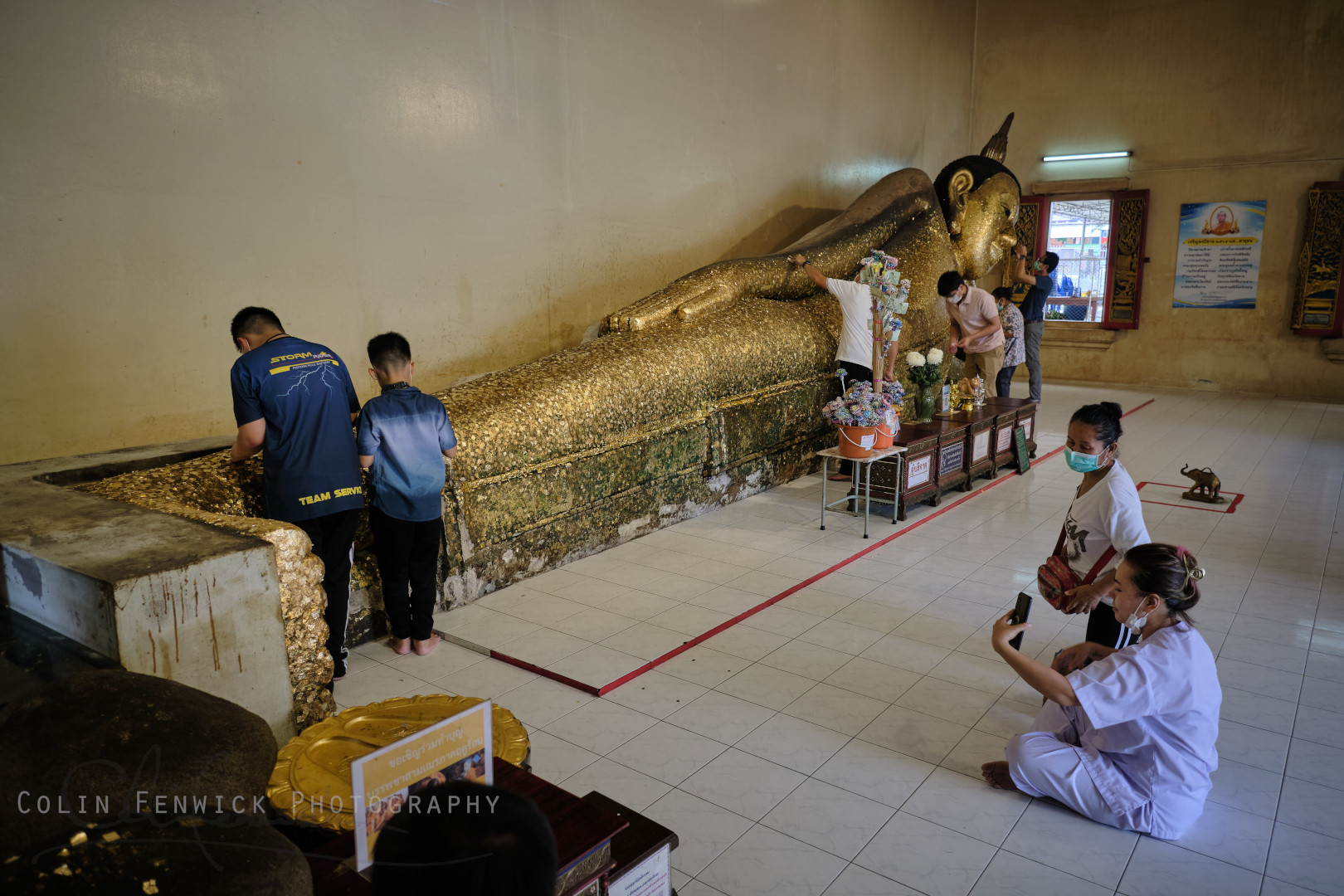
Loei pt1: Tai Dam Cultural Village

When you think of Thailand, Loei province isn’t the first place that comes to mind, and there’s a reason for that. Loei is a rural province. There aren’t any major national parks there, no beaches, and none of the nightlife, glitz and glamour of Bangkok, but that doesn’t mean there’s nothing to see.

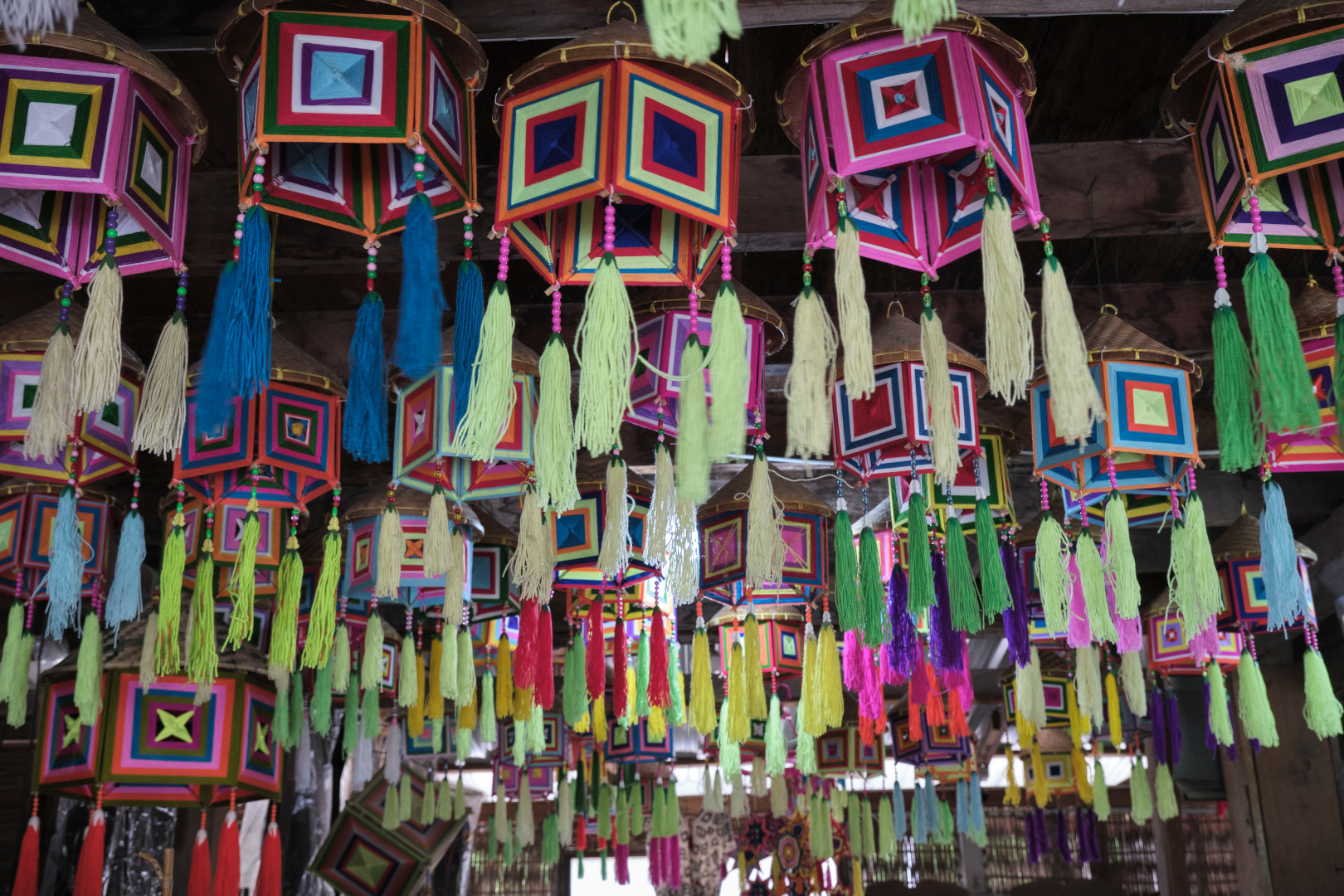
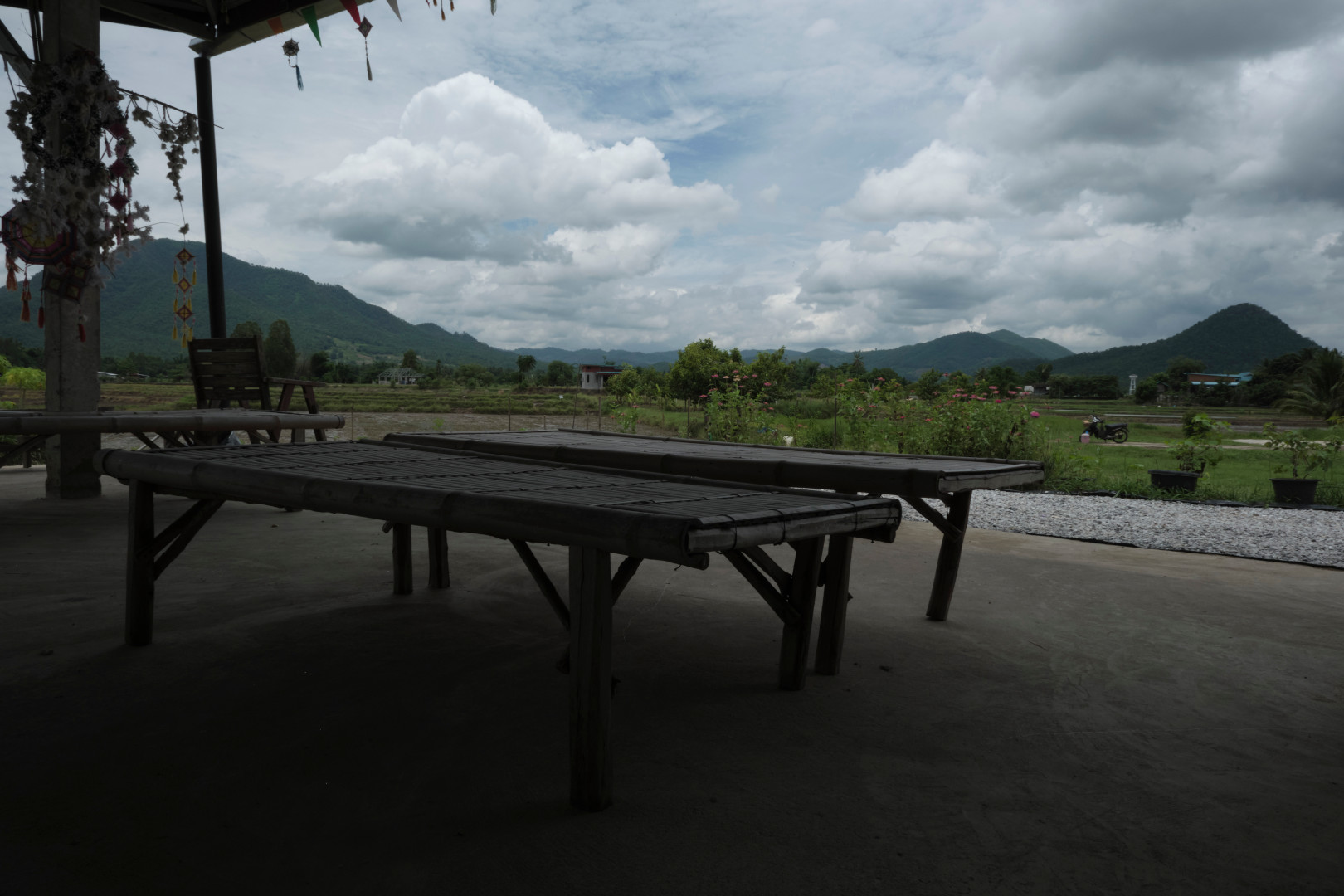
A little ways out of Chiang Khan in the northern part of the province is Tai Dam Cultural Village, and while there’s not a lot to see, there is the opportunity to immerse yourself in a unique culture that is a little bit Thai, a little bit Laotian and a little bit Vietnamese.

The Tai Dam people settled in the area in the early 1900s and they still maintain the culture and traditions they brought with them. They are also very welcoming and love to include visitors in their traditions and culture. You can wear their traditional clothes (and these are not costumes, these are the same clothes they make and wear even today). Take part in dancing, and even have a go at weaving.
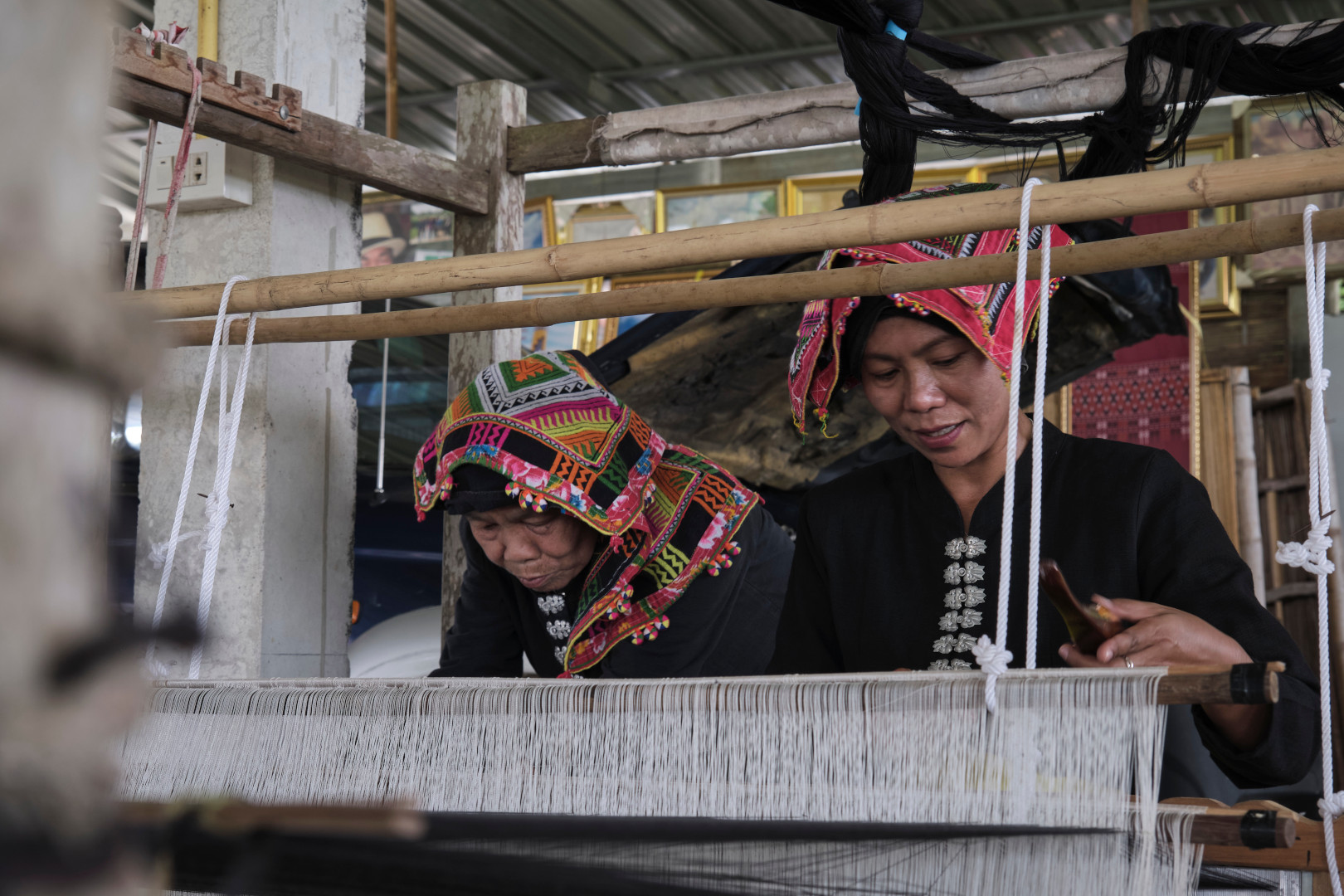
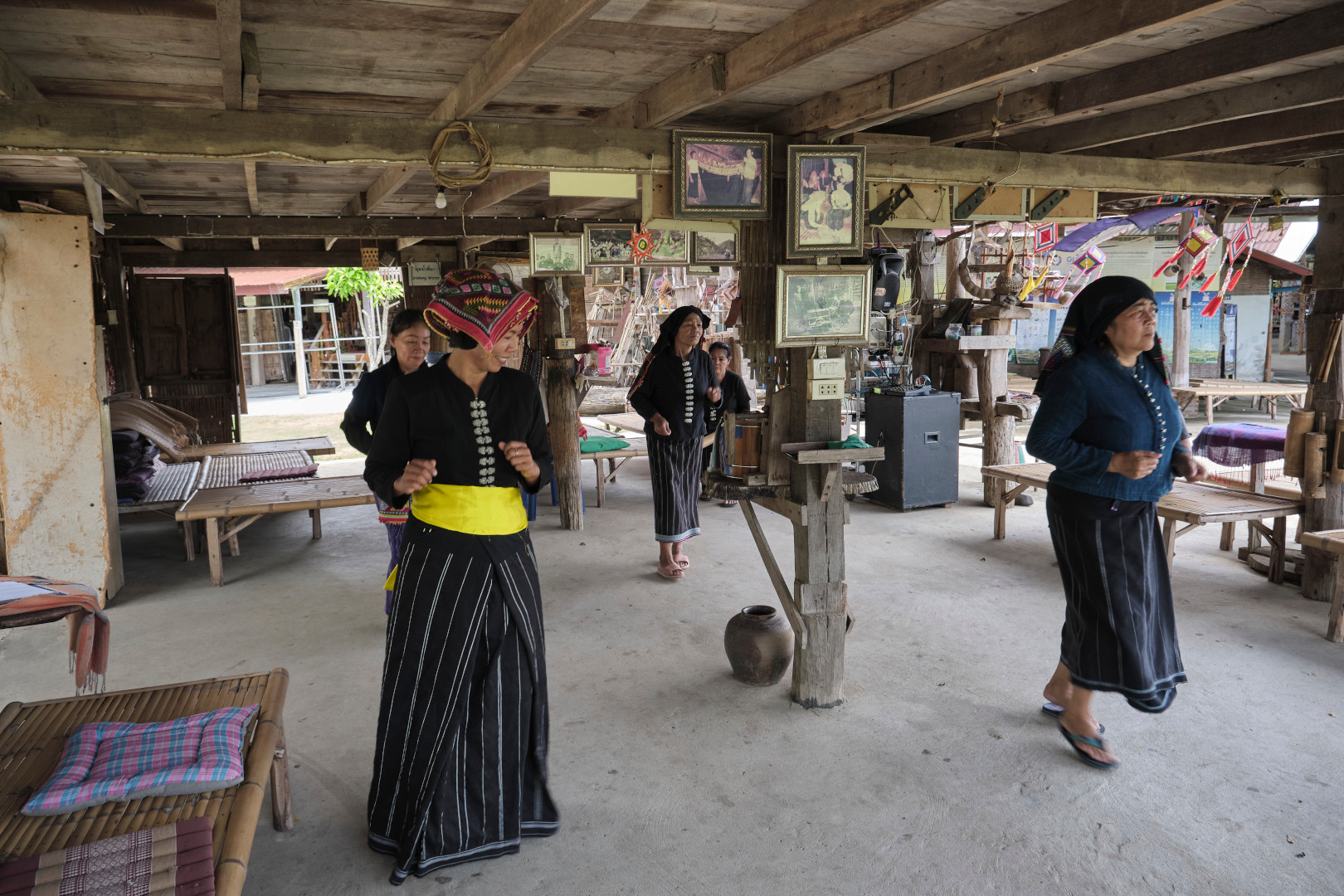
There is small charge of 100 Baht for wearing the clothes, but this goes towards upkeep and funding the cultural activities of the centre. And be prepared to tip the aunties after dancing (they deserve it too).

This is the second time I’ve been here and the welcome has always been a warm one, and the landscape is beautiful.
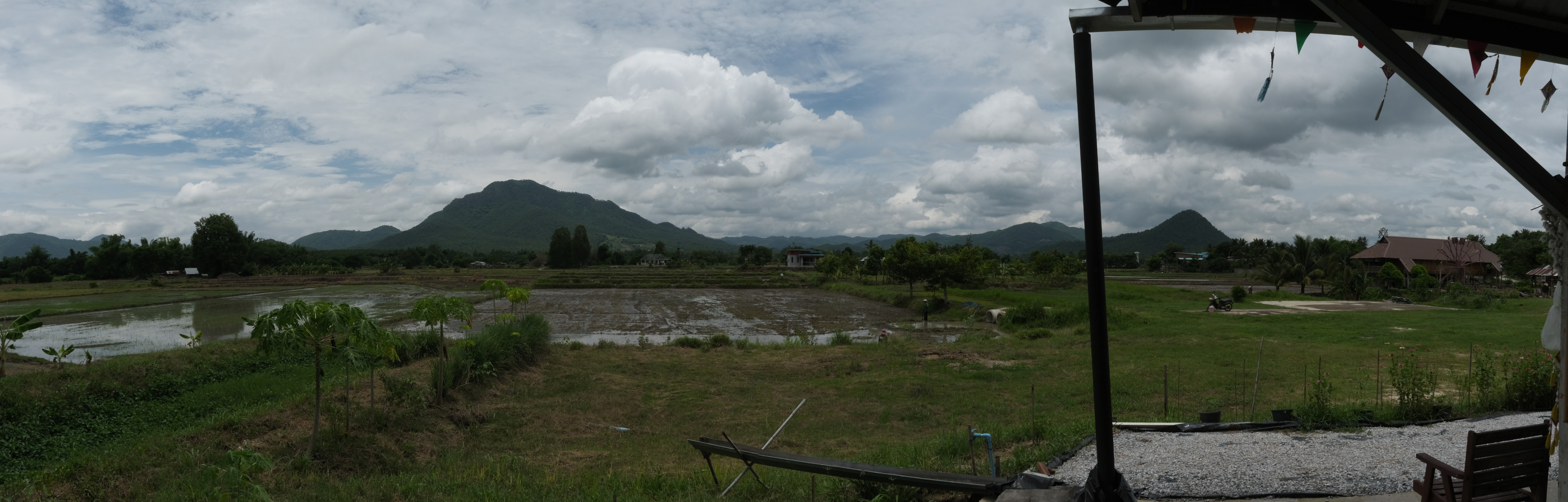
If you find yourself up in the area and want a unique experience then this is one to add to your list.
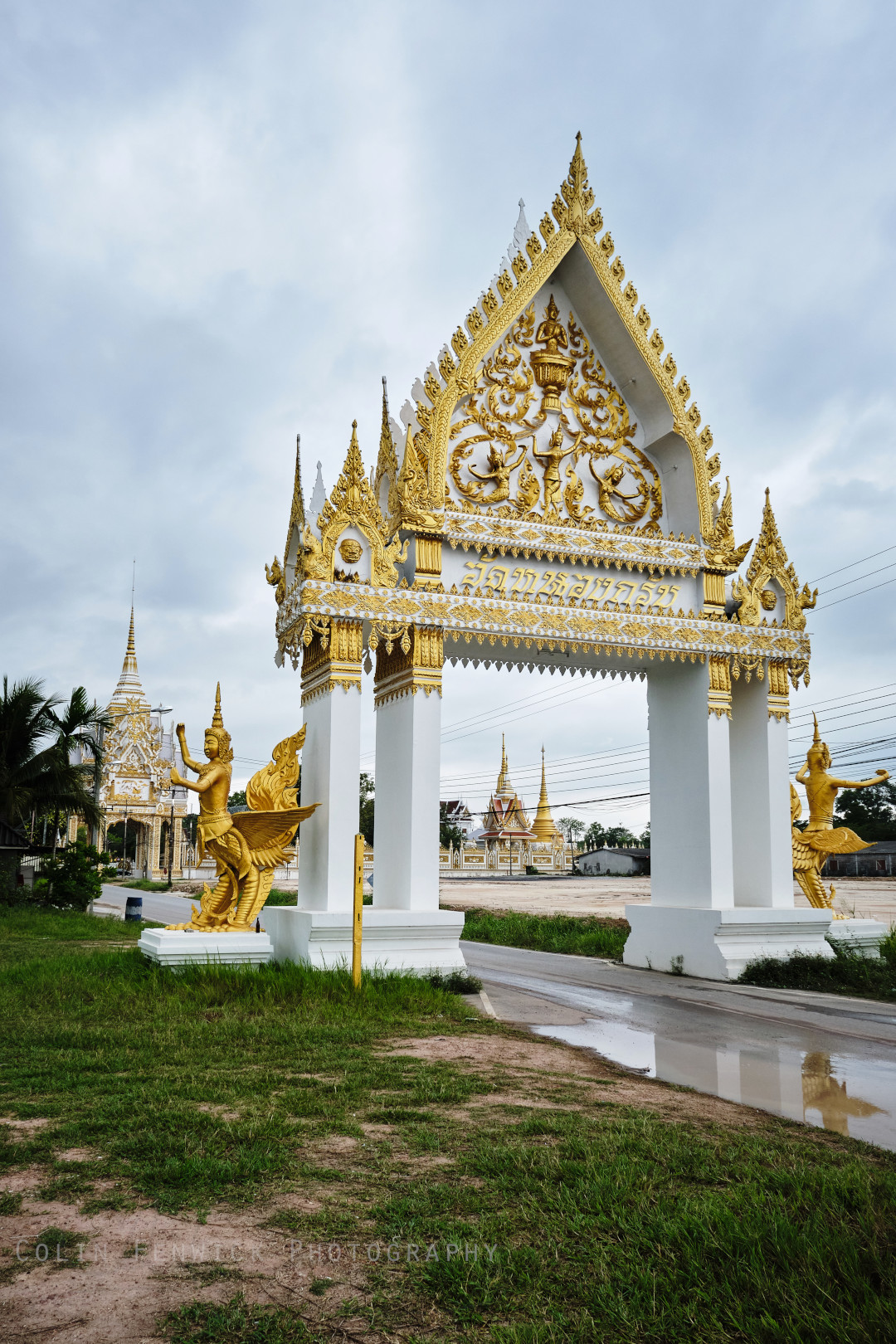
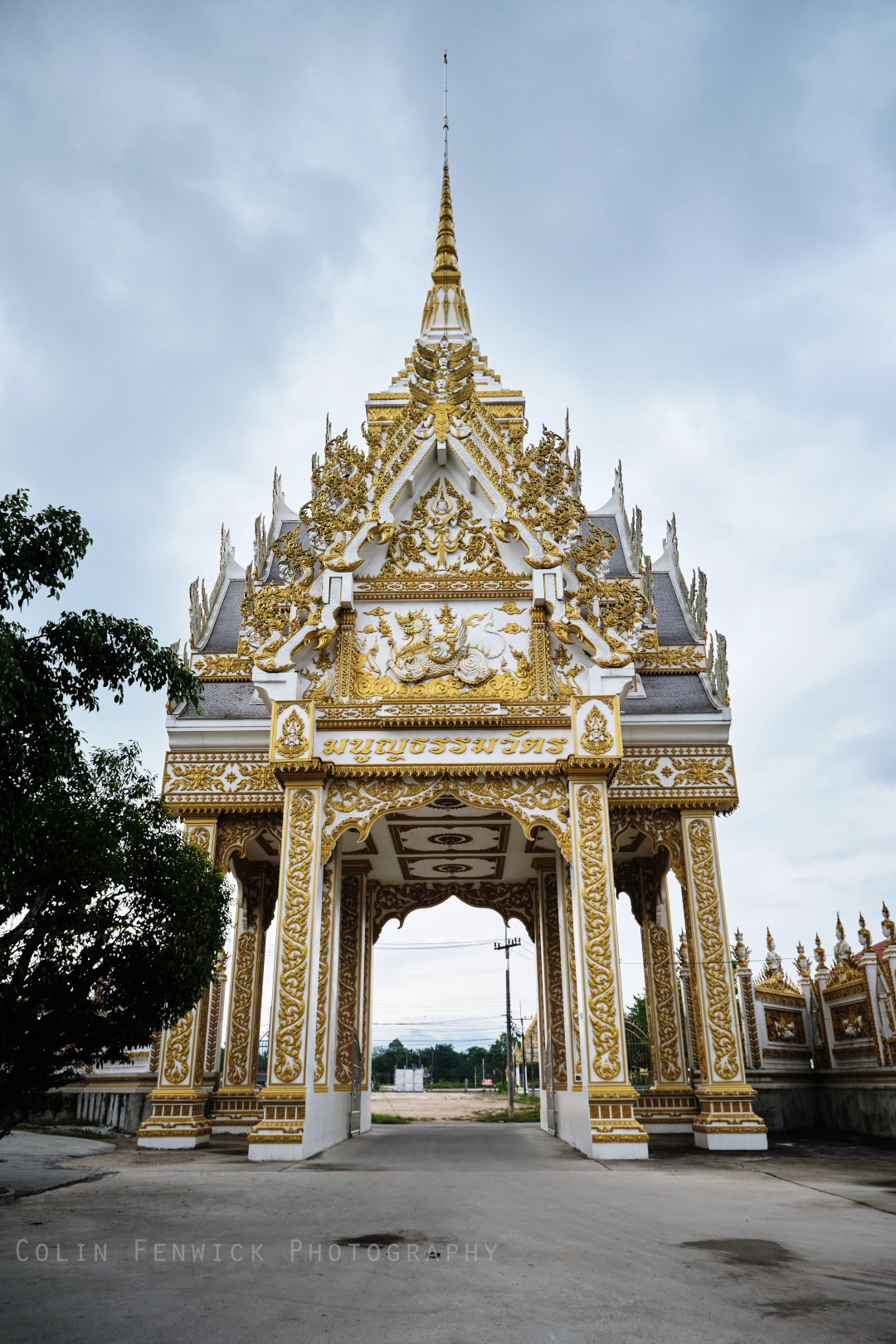
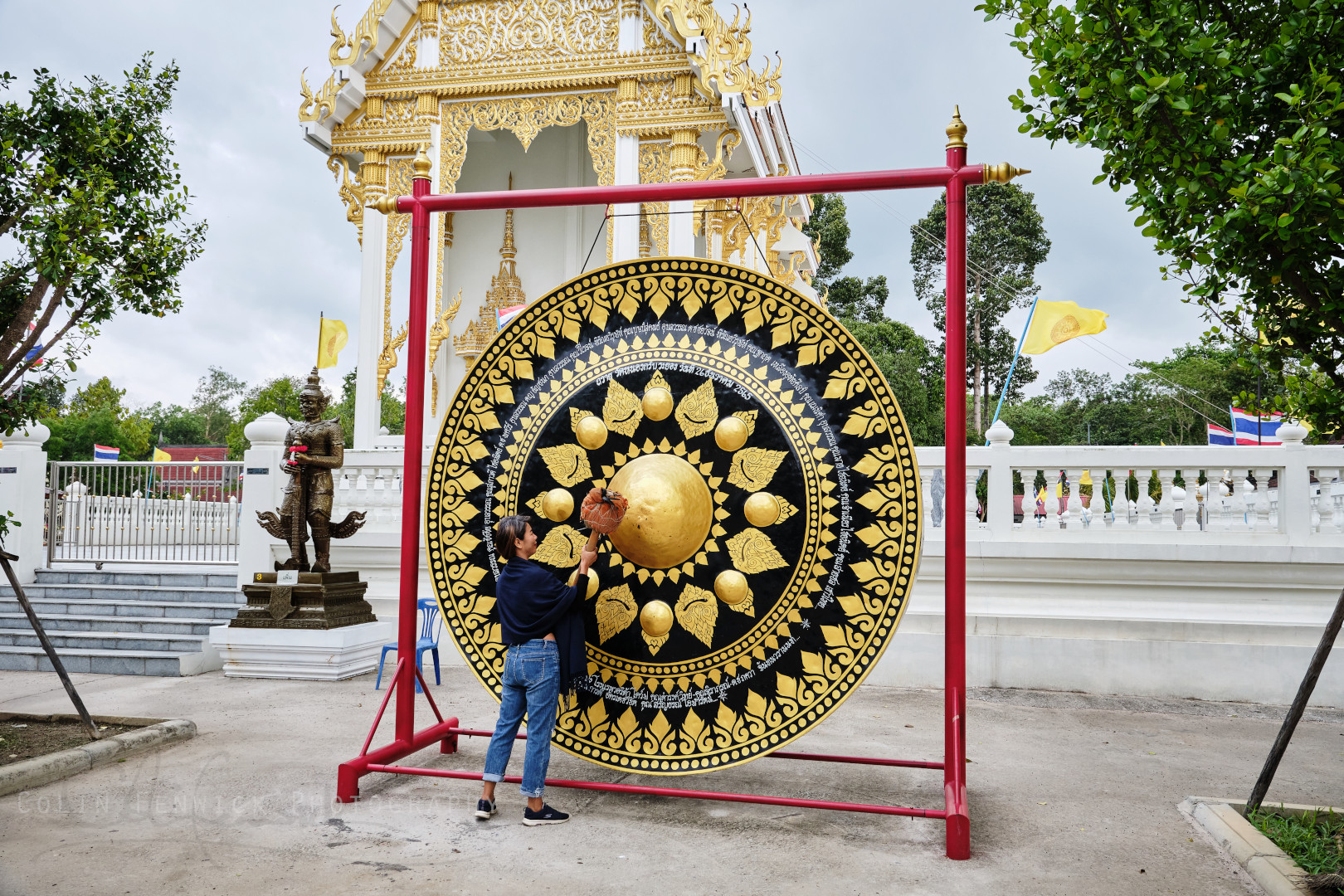
Wat Nong Krap

Wherever you travel in Thailand, you will see large signs over the road with suggested places to visit. There was one in Rayong that we drove past most days and on it were three temples, Wat Lahan Yai and Wat Lahan Rai, which we had been to before, and Wat Nong Krap. Because I have the sense of humour of a 13 year old, that one always made me chuckle. Since we were going to be leaving Rayong, I suggested we actually go visit it and see what the fuss was all about.

Wat Nong Krap is located north of Muang Rayong and Ban Khai and is well off the beaten track, which is actually a good thing as the Wat is quiet and not overflowing with tourists.

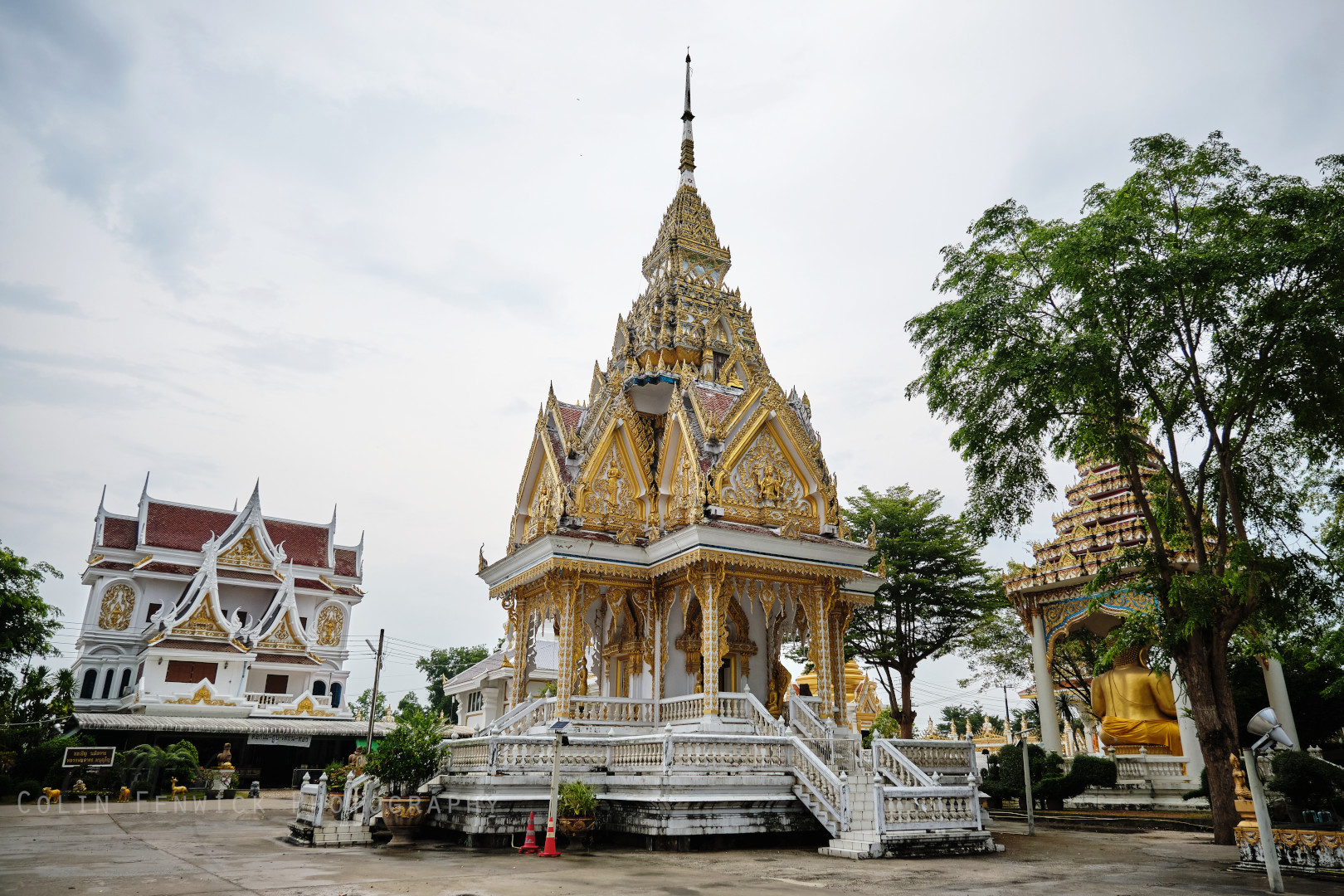
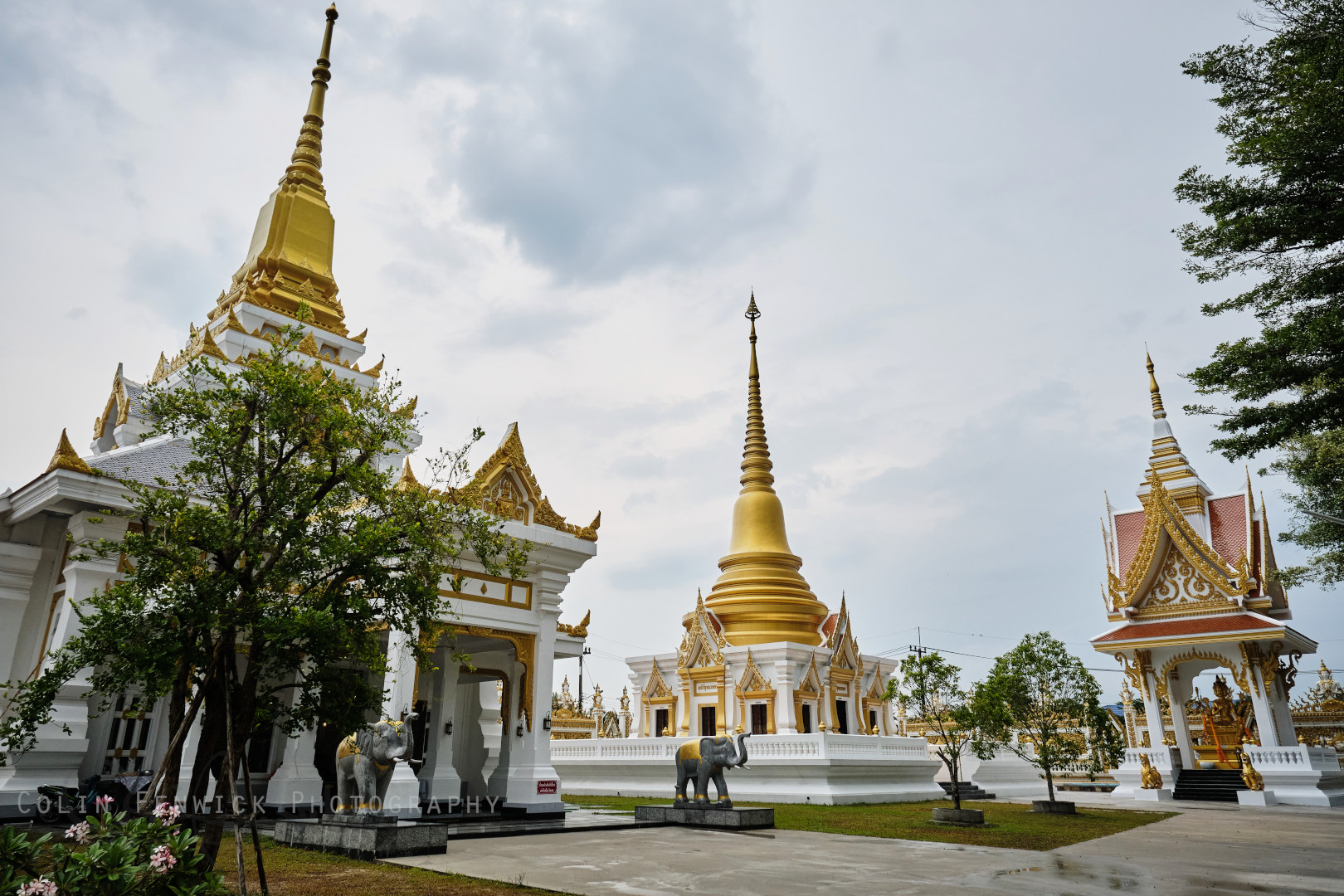
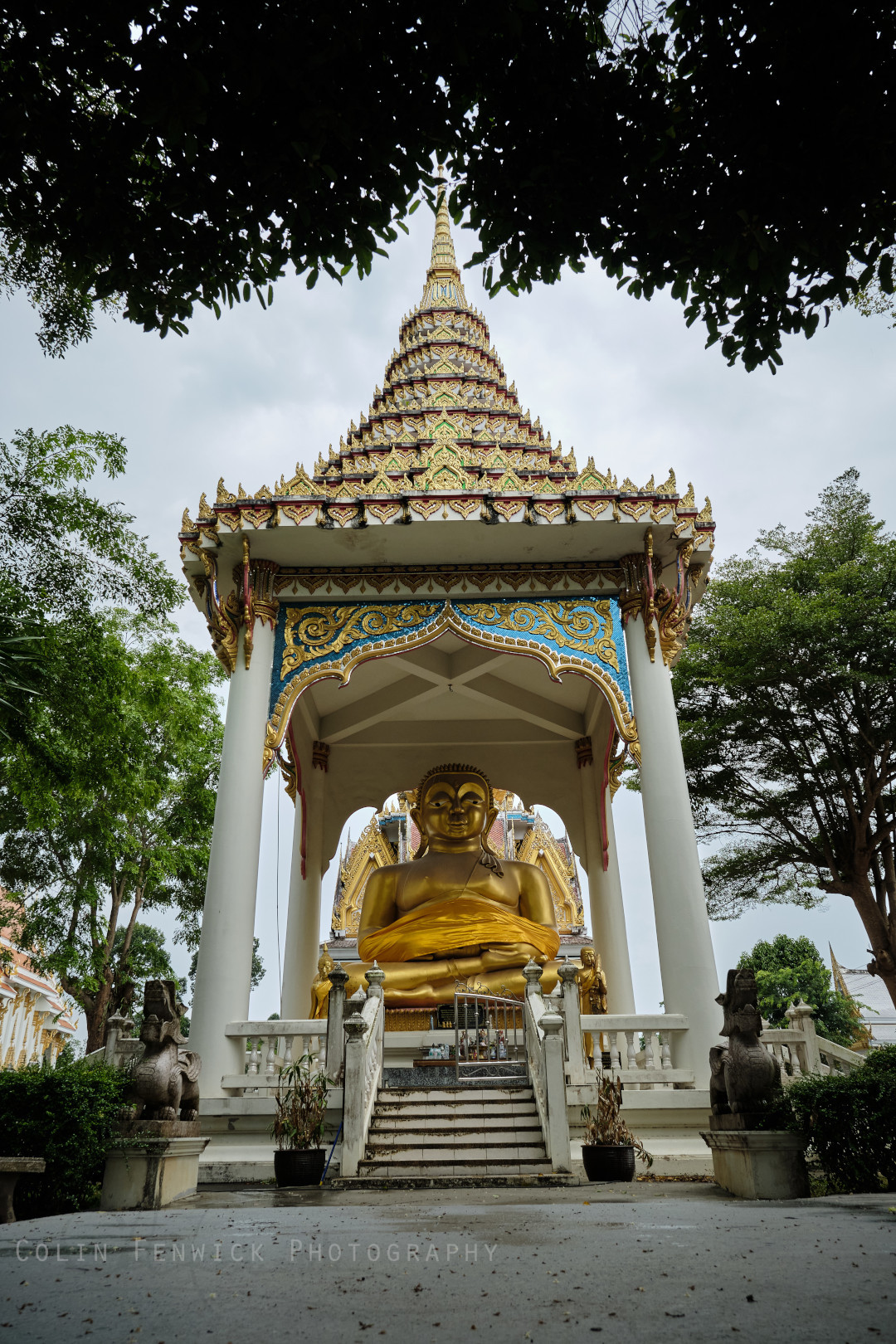
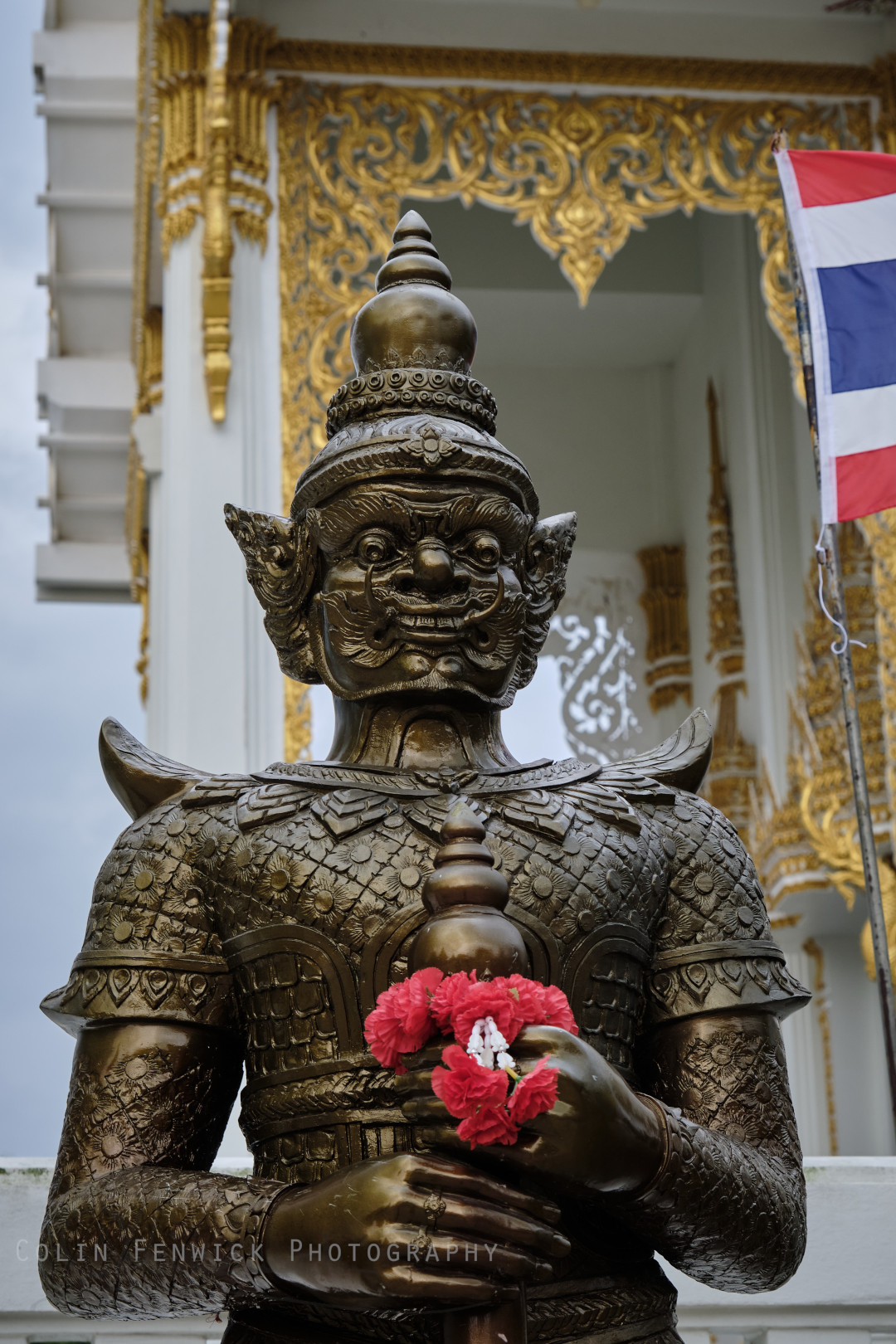
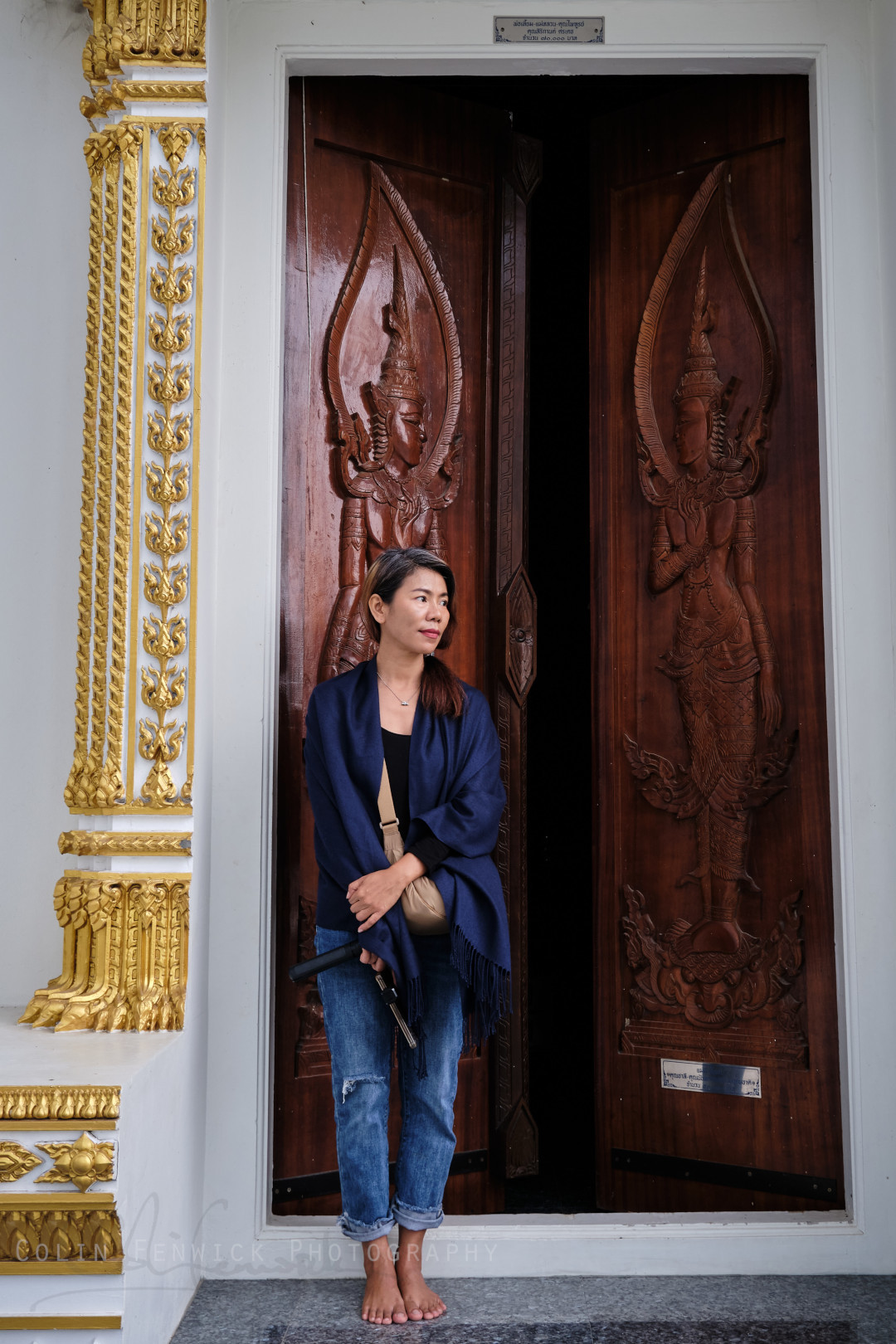
The Walls, entrance and buildings are decorated in white and gold and they look stunning. The interior of the main Viharn is dark wood and a great contrast to the exterior walls. Surrounding the viharn are a number of Yaksha guardians standing watch around the building and you can place coins in boxes at their feet for a variety of blessings such as money, love, happiness, peace and luck.

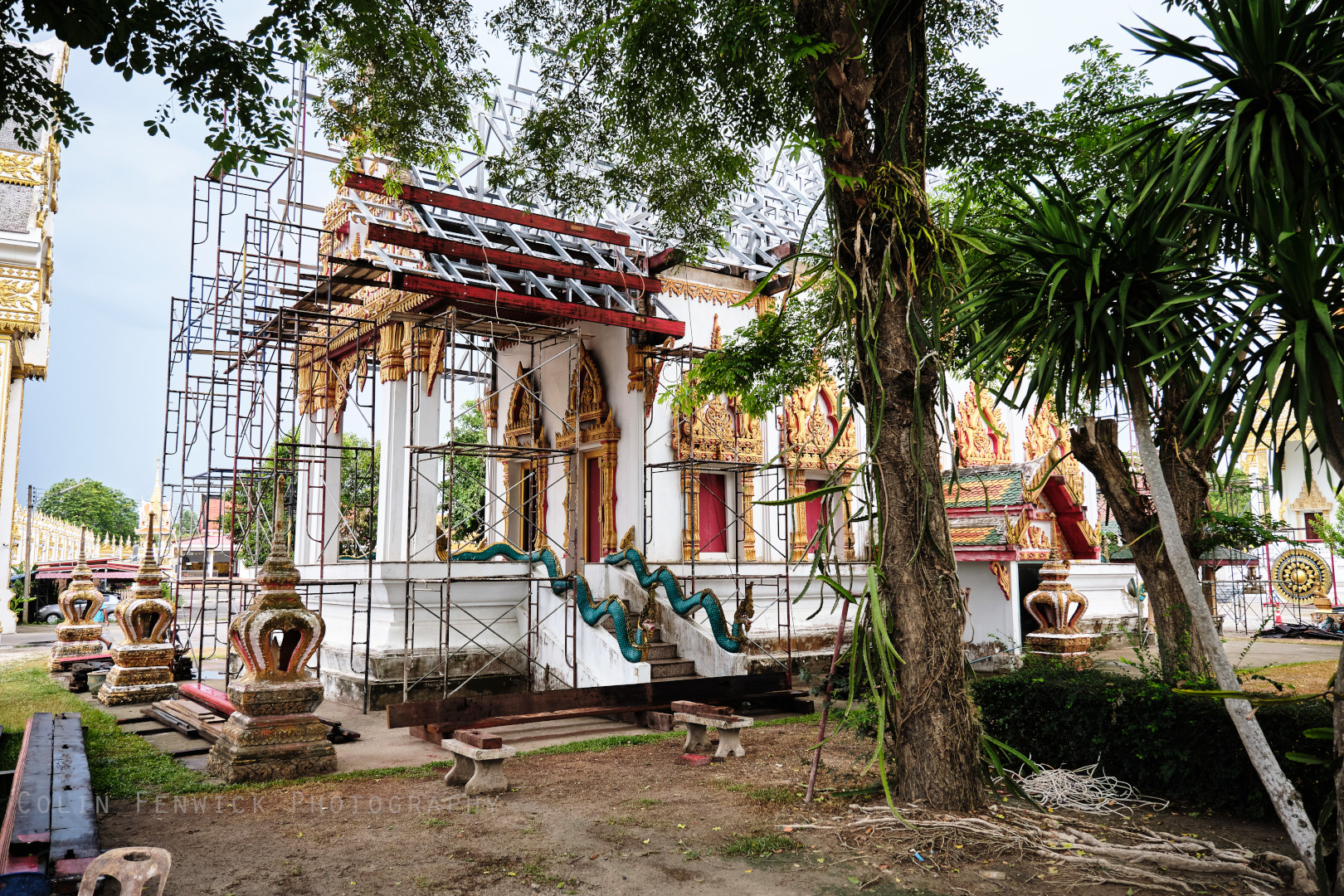
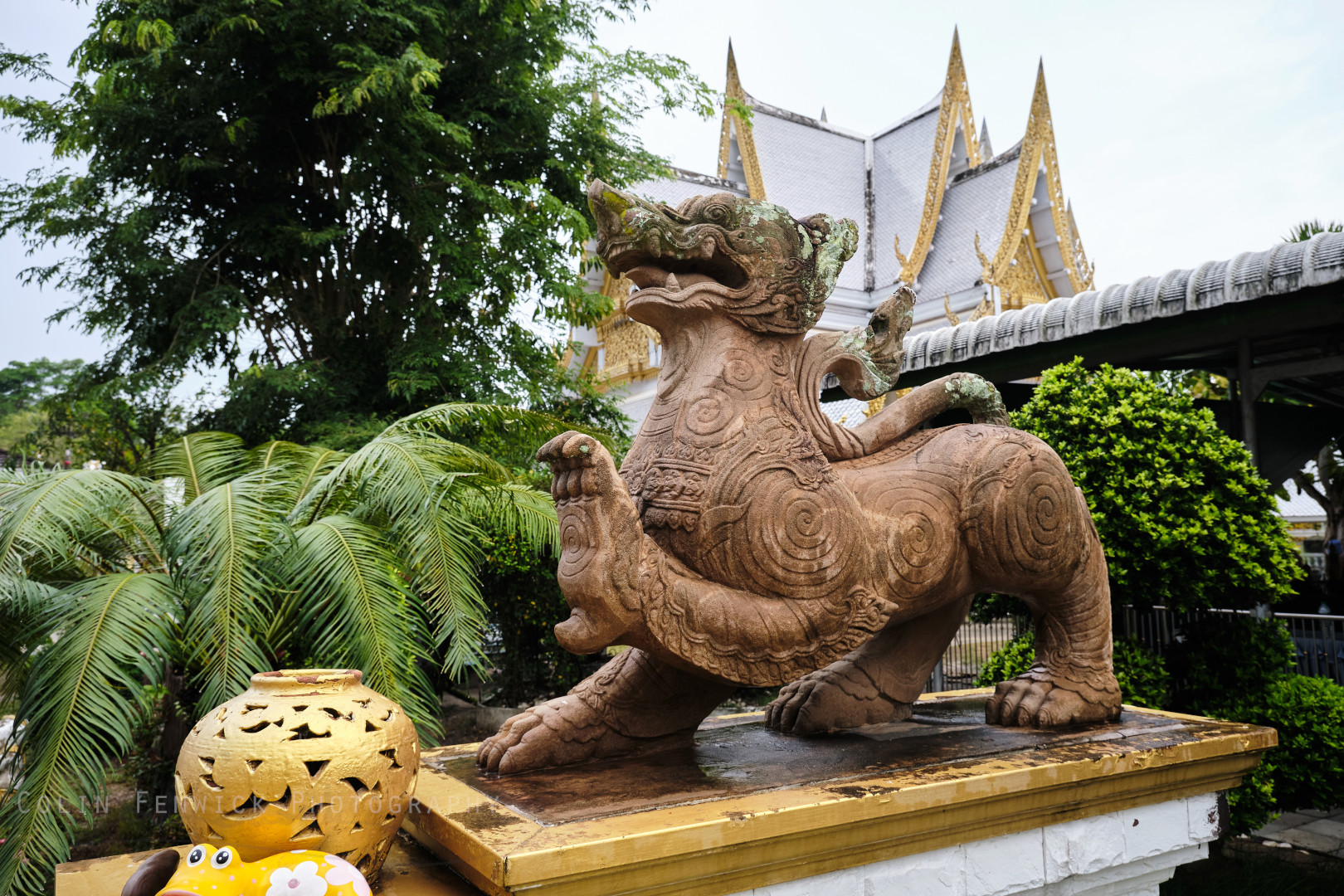
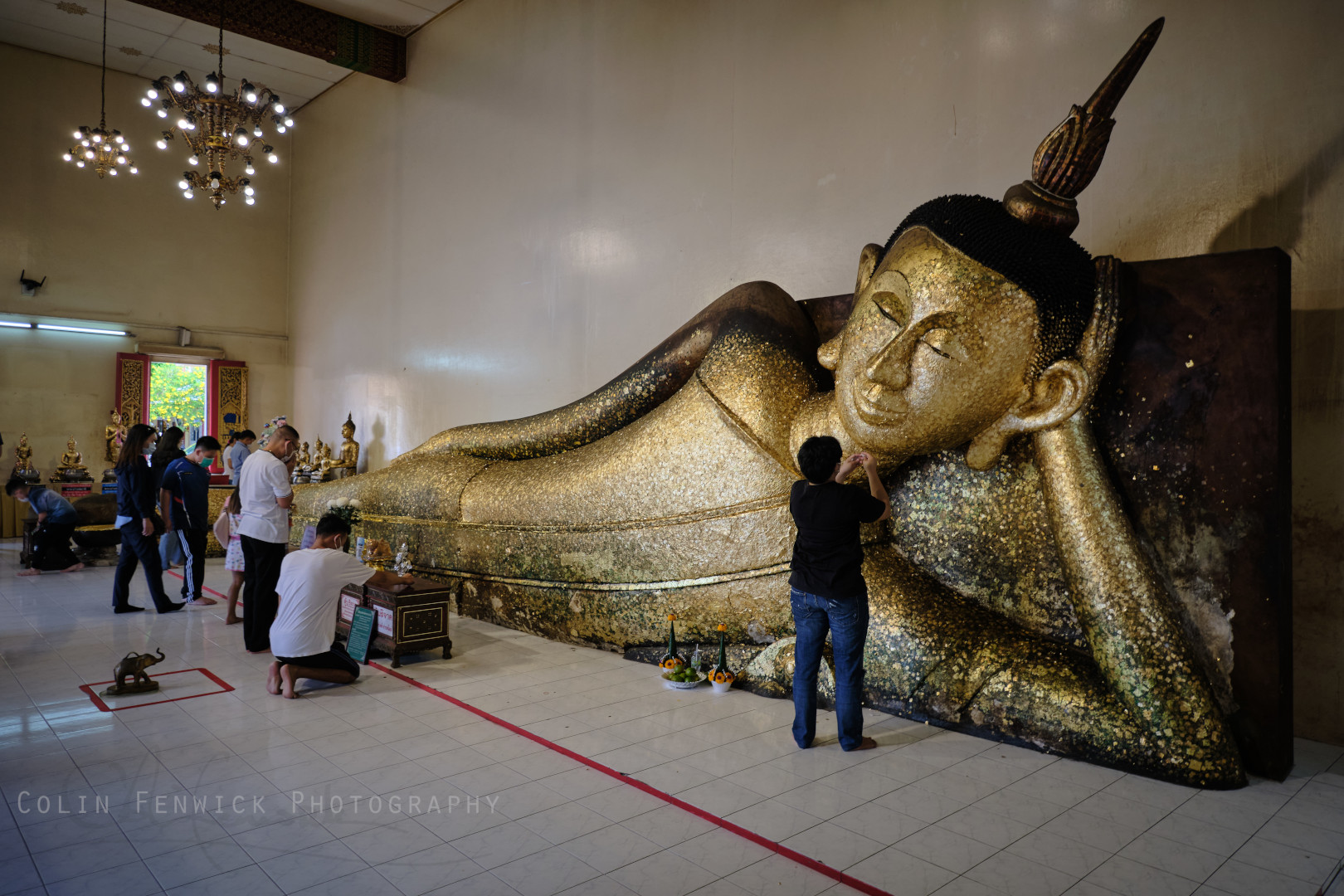
There are a number of smaller buildings – a smaller viharn being repaired, bohts and pagodas and a cross-eyed buddha – spread out over quite a large site, along with the usual collection of Garuda, Naga, Yaksha and Pixiu that you often see around Buddhist wats.

It’s not the grandest or busiest or most popular wat, but I have to say, so far, it’s my favourite. The white and gold looks special without being overly grandiose and the atmosphere was so peaceful – perfect for quiet contemplation. The people volunteering there were also really nice.

It’s defintely out of the way, but if you ever find yourself in Rayong province and wondering what temple to visit, You won’t regret placing this top of your list.

Asahna Bucha Day

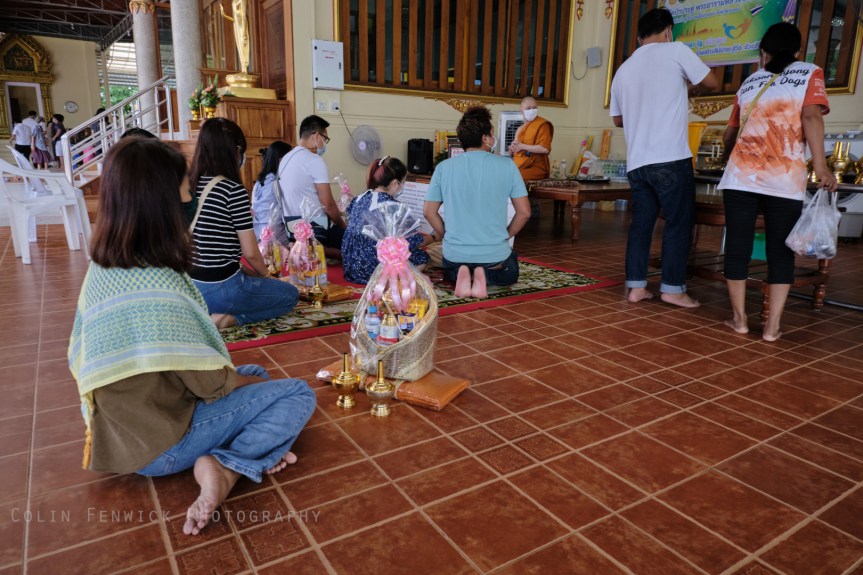
Asahna Bucha day, commemorates the Buddha’s first sermon and marks the start of Buddhist lent. A very busy day for the temples as people make offerings and some enter monkhood.

I spent the morning at Wat Pa Pradu and then the King Taksin Shrine at Wat Lum Mahachai Chumpon, (more about these in later posts).