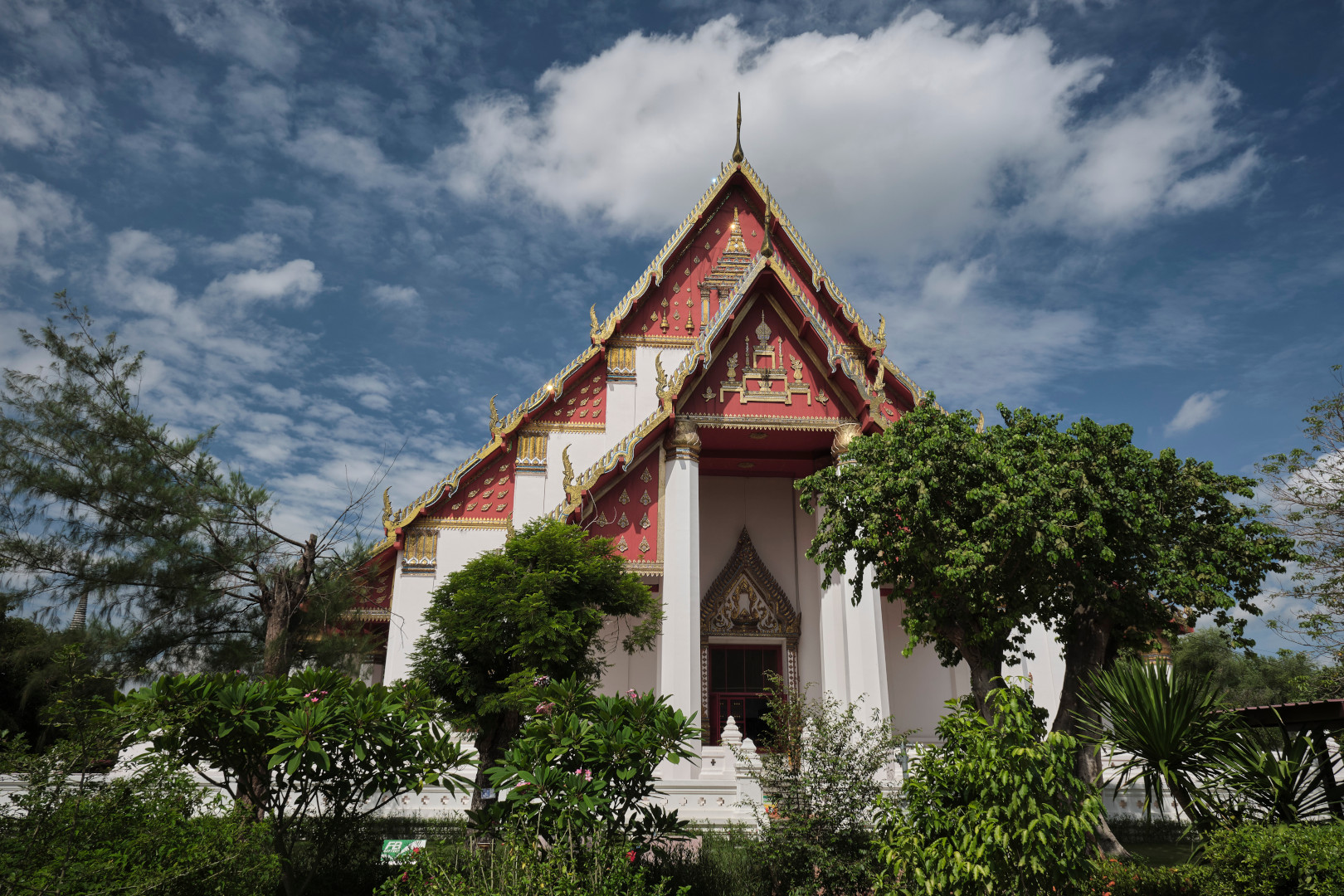
Ayutthaya: Wat Ratchaburana

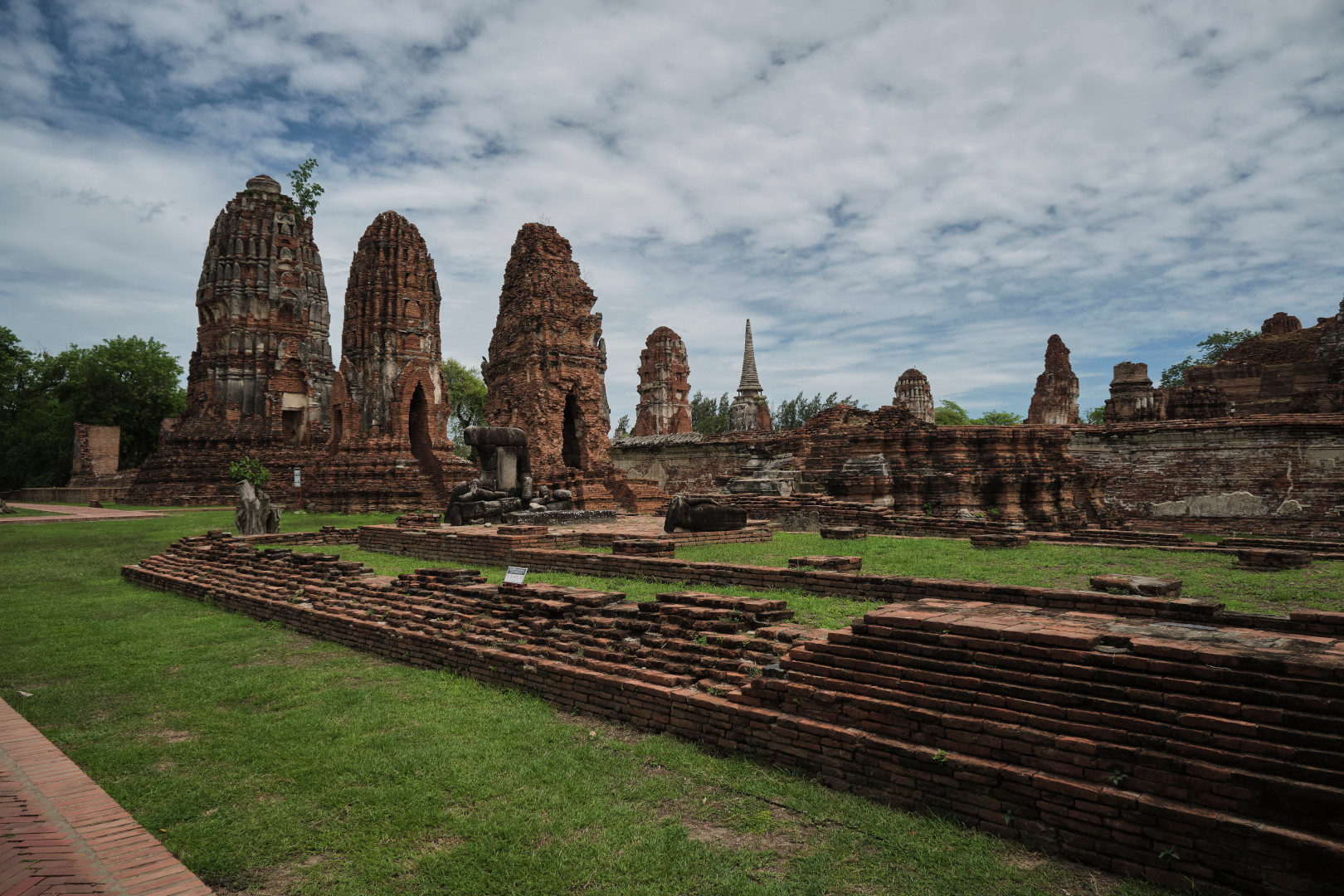
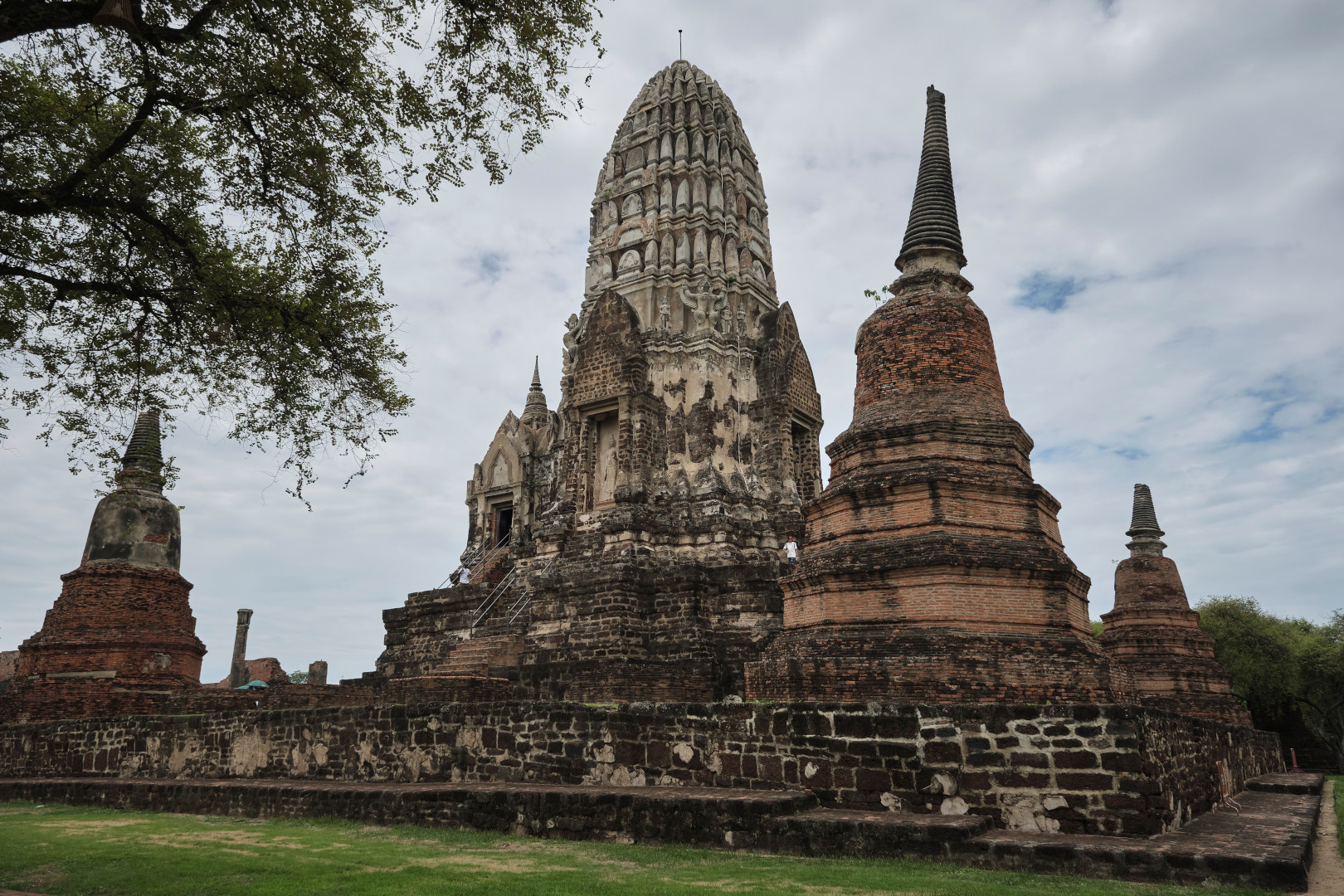
Wat Ratchaburana sits right next door to Wat Mahathat, so it’s easy to visit both sites on the same day. Wat Ratchaburana is known for the main prang, which is mostly intact (I think it’s the most intact of any of Ayutthaya’s heritage sites). You can climb up the prang to get a fantastic view of the entire site, and it’s worth doing.

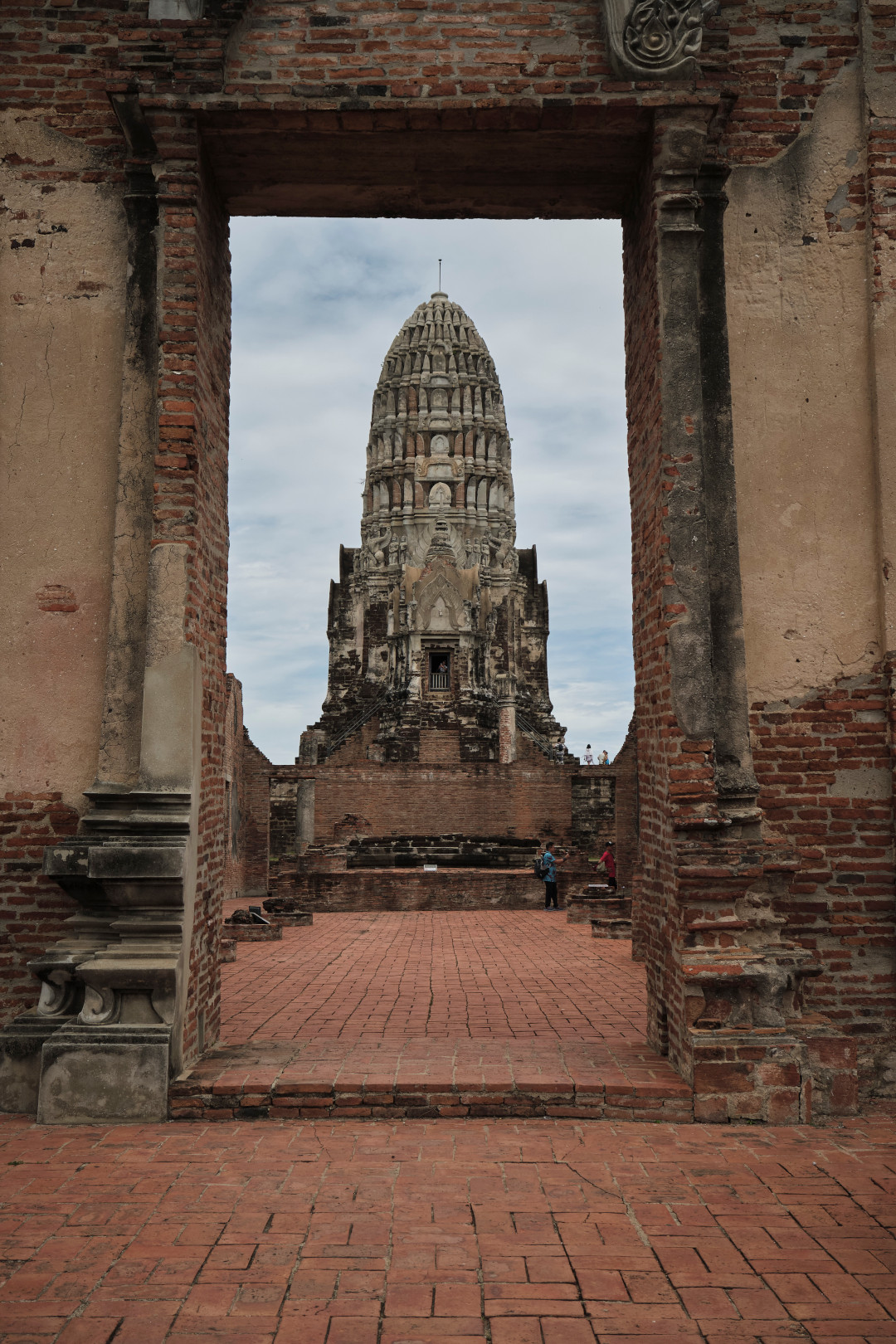
The entrance is through the remains of the viharn and the prang is framed nicely as you enter. Ratchaburana was quite busy, so patience is needed when trying to get a photo of the prang through the entrance. (It’s the money shot after all, and everyone was taking them, so we felt obliged to do the same).
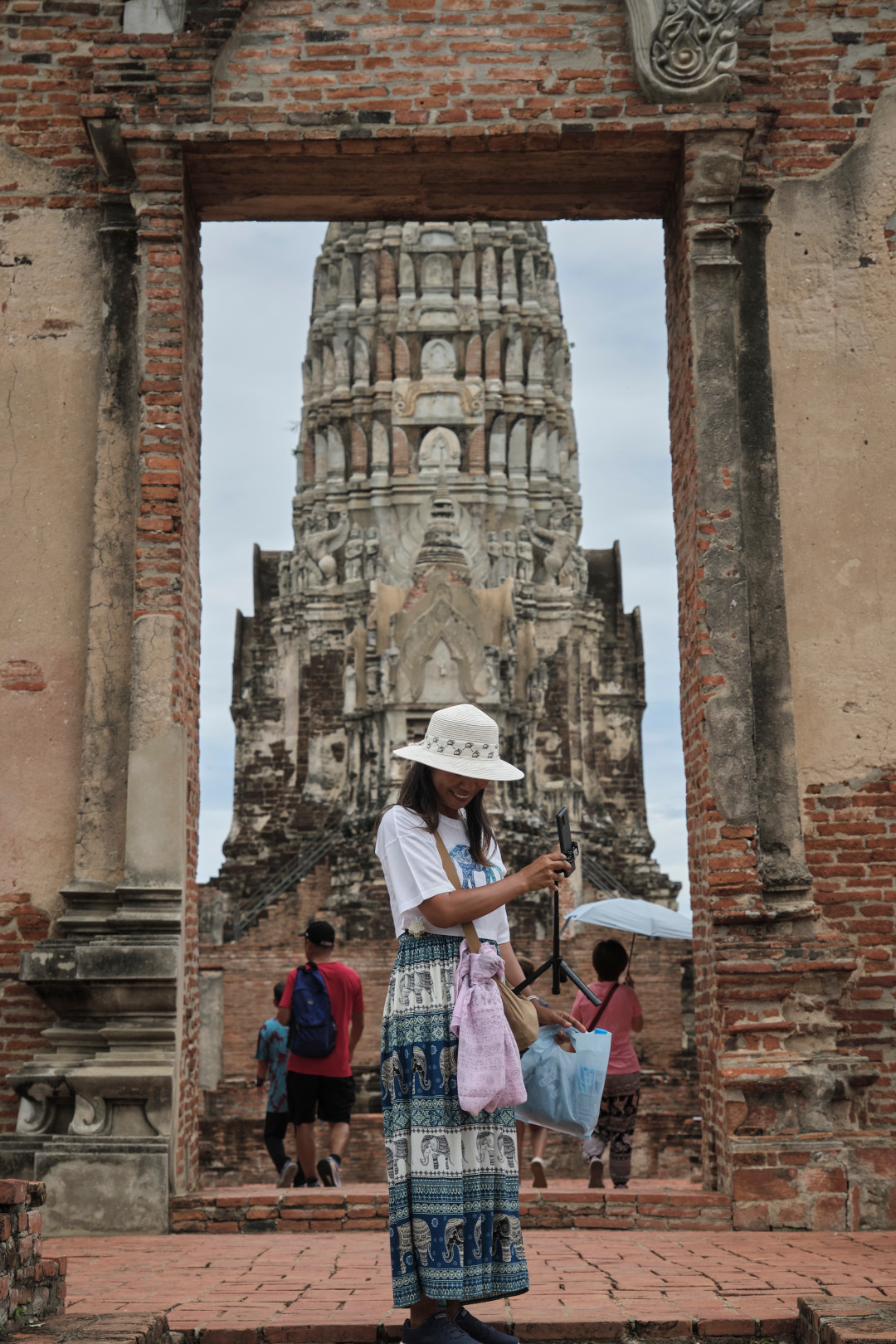
Wat Ratchaburana was built in the 1400’s on the site where the king’s older brothers were cremated. Apparently they fought for the kingdom, wounding each other so severely they both died, leaving the kingdom to the younger brother. (Surely a story worthy of a movie). Another legend tells of a crow that impaled itself on the finial of the prang, which was taken as a bad omen of Ayutthaya’s fate. Not long after, Ayutthaya fell to the Burmese and Wat Ratchaburana was sacked and burned in a fire that spread over into Wat Mahathat and a few other sites.

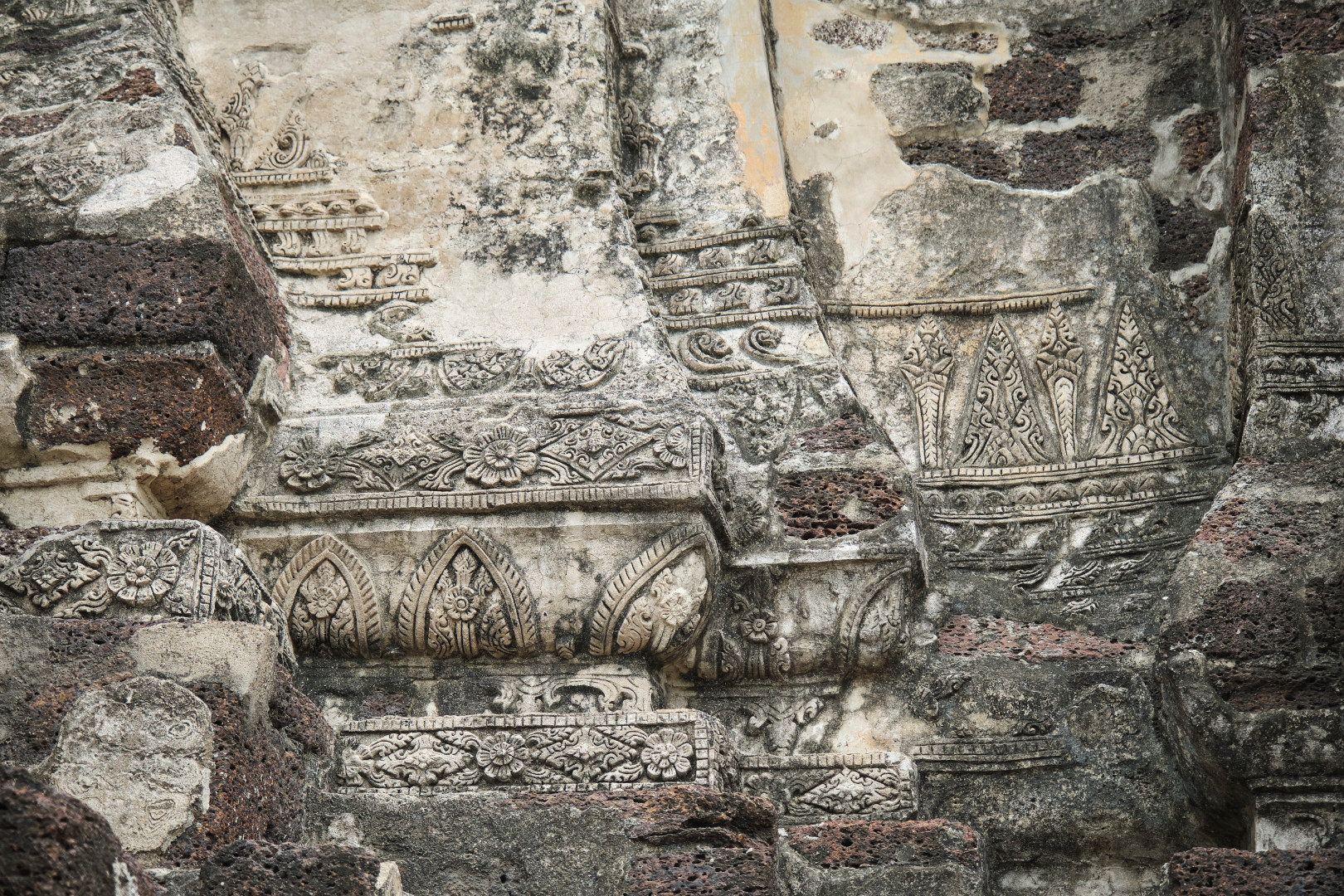
The central prang is surrounded by four stupas and the whole site feels more compact compared to others, but there is plenty to explore. The prang is the star attraction though and you can climb up to the top room. Climbing the prang is a precarious experience, especially if you don’t like heights, but it does give a great view of the site, and you can see the details of the preserved render as you climb. At the top you can go inside, but the stairs down into the crypt are blocked off, and the room itself is governed by bats. A lot of bats.
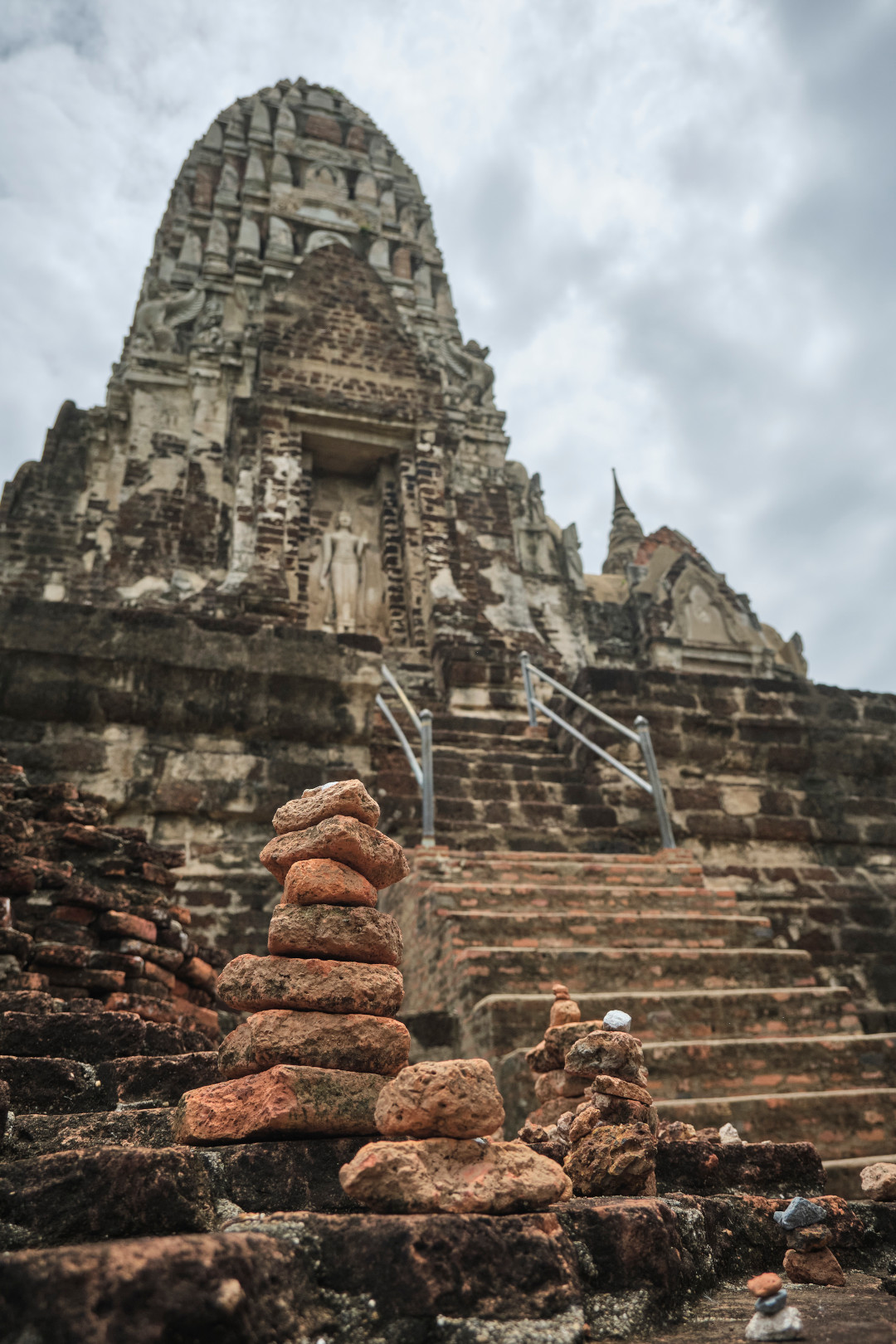
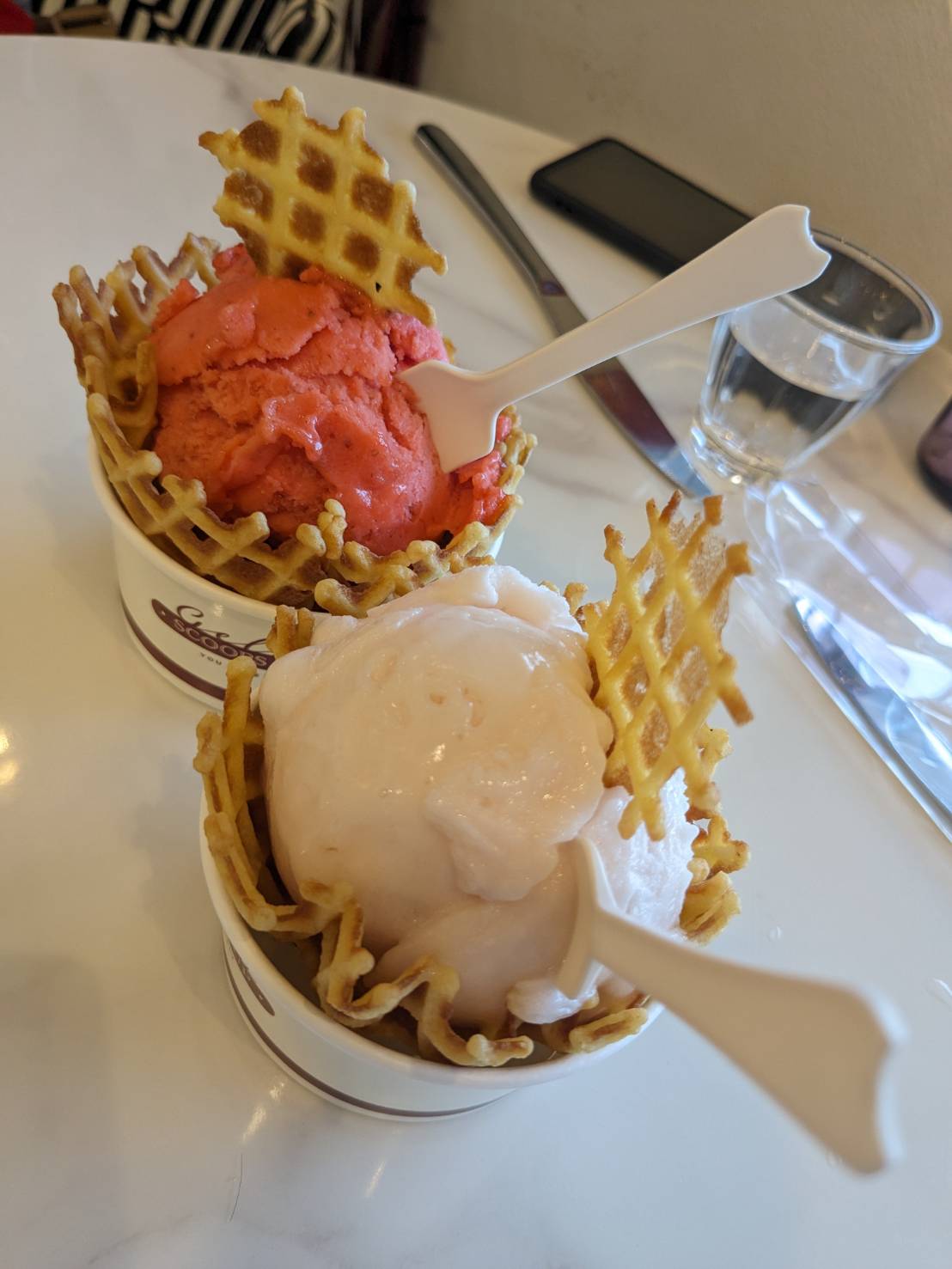
Although everything revolves around the prang, it seemed like there was more to see here than at Wat Mahathat and I enjoyed this more than the two sites we visited before. With both Wat Ratchaburana and Wat Mahathat being next to each other, it’s worth visiting them both, and when you’re finished, there’s a great Ice cream parlour called Scoops Me Up on the soi opposite Wat Mahathat (Bang Lan Road). The ice cream is really good and a nice reward after a day of exploring.
Ayutthaya: Wat Mahathat

It would be easy to say all the ruins of Ayutthaya look the same, but in reality, they differ in size, popularity and character.

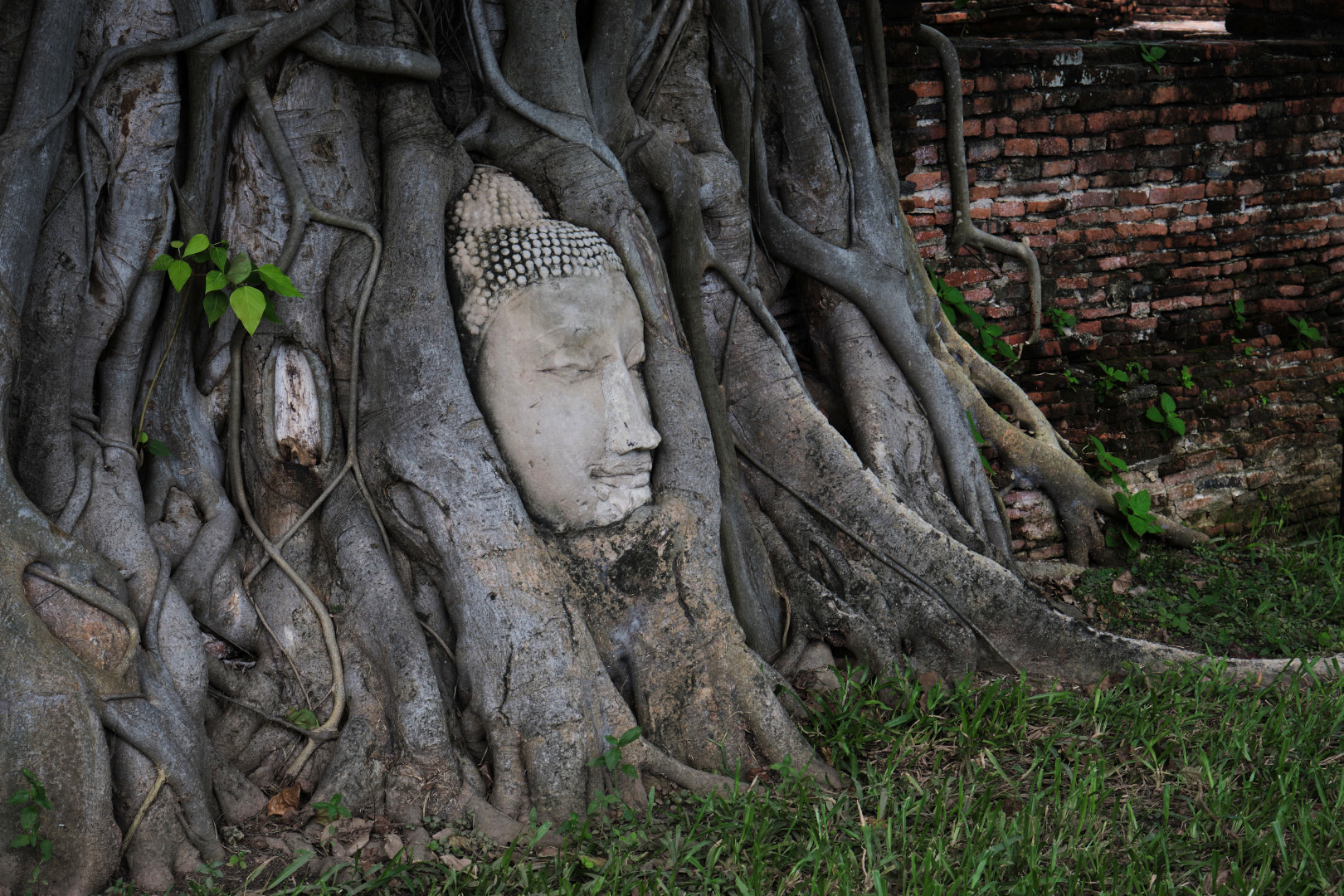
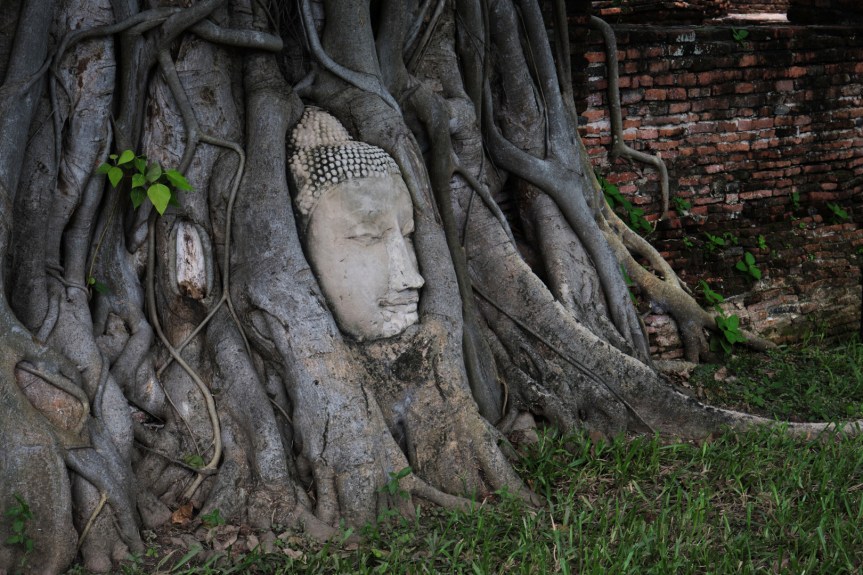
Wat Mahathat is one of the busier places that attracts a lot of tourists and is best known for the Buddha’s head in the tree. The Head was lopped off when Ayutthaya was sacked by the Burmese, and the roots of a bodhi tree grew around it. It’s one of the ‘must see‘ things when visiting Ayutthaya.

There is a small car park right next to the Wat, but get there early otherwise you won’t get a space. There is a much larger car park a little further down before the site and only a 5 minute walk. There are tuk tuks parked up at the small car park. (We had car trouble the first day we were there and one of the tuk tuk drivers took us all around looking for a mechanic, so they are a very different breed to the tuk tuk drivers in Bangkok).

As per other sites, entry is by ticket and the prices are the same as other sites – 10 Baht for Thai and 50 Baht for foreigners. One of the nice things about Wat Mahathat was that there are plenty of trees around, so there was some shade. It was nice to get out from under the sun, if just for a moment.

The Buddha head attracted most of the attention, with people jostling for space to take a photo. There is a small deck where people can sit and take photos as well. Some consider the fact the tree roots didn’t obscure the Buddha’s face a miracle, which maybe why it get’s so much attention.

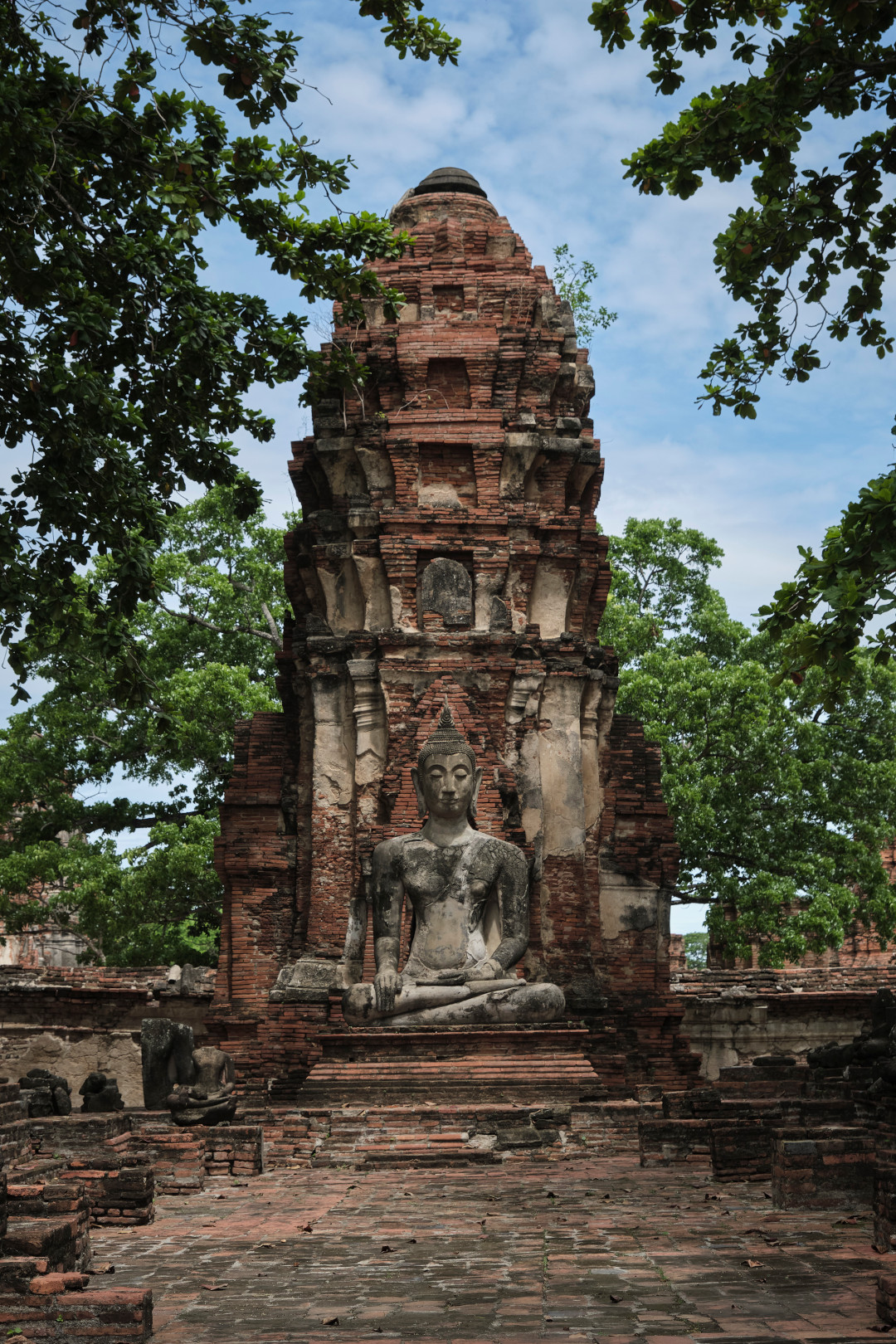
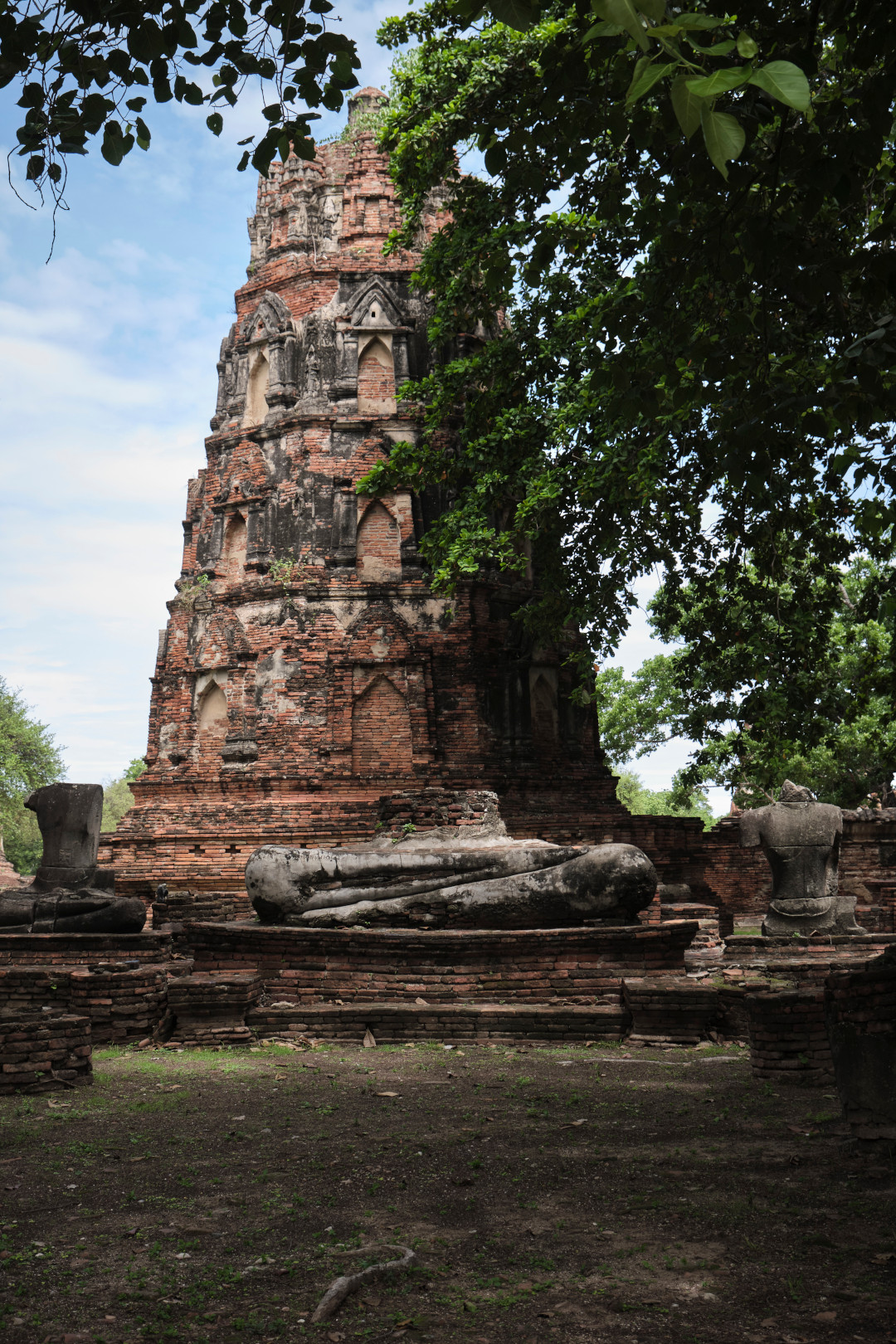
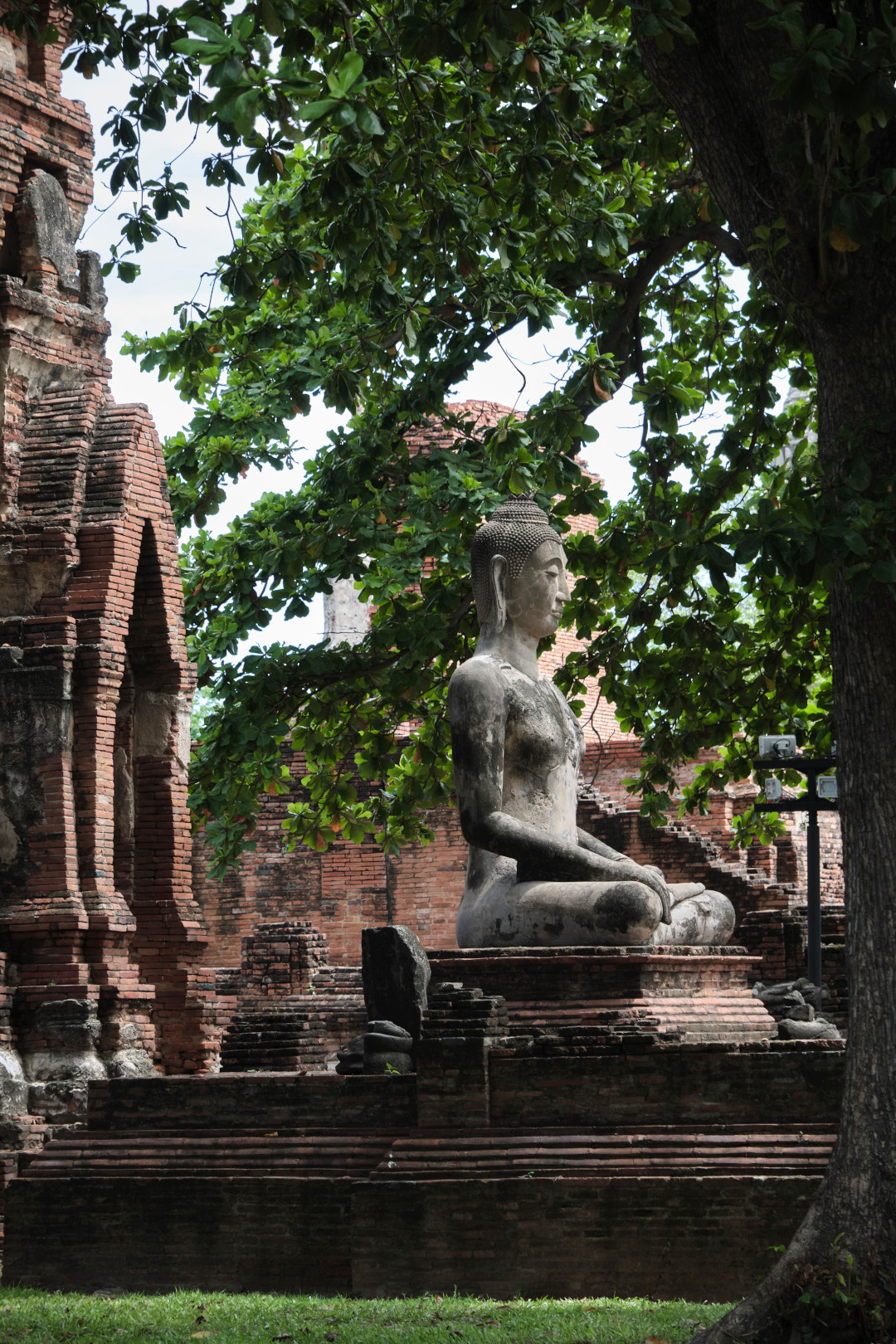
The Burmese invaders did a lot of damage, decapitating most of the depictions of Buddha, but not all. A couple still survive intact, sitting serenely among the ruins, and it was nice to see a complete Buddha survive the centuries.

Although quite busy, this was still quiet enough to enjoy the space and there was more to see here than at Wat Phra Si Sanphet, but it wasn’t my favourite of the ruins. (I’ll save for last).

Ayutthaya: Wat Phra Si Sanphet

Ayutthaya was once the capital of the Kingdom of Siam. Established in the 1300’s, it was eventually sacked and burned by the Burmese in the 1700’s, after which time the kingdom moved the capital to Thonburi, which grew to become the Bangkok we know and love today.

Considering Ayutthaya is such a significant place, it remains a relatively small city consisting of many, many ruins. There are no large tower blocks or shopping malls and it really benefits from that. The city has a small town feel and the people are really friendly. Although it’s a major tourist destination, it didn’t feel crowded, maintaining that small city feel.

You’d be forgiven for thinking each temple site was the same as the next, but each one has a different character, so I’ll be covering each place in separate posts.

The first place we visited was Wat Phra Si Sanphet, and we found it by accident. We were actually looking for a market and were directed to Wihan Phra Mongkhon Bophit. There’s a good amount of free parking here, but the Viharn wasn’t up to much, and unless you wanted wooden souvenirs or elephant pants, neither was the market.

It’s a short walk from the Viharn to Si Sanphet, once you find the entrance. The entry price is 10 baht for Thai and 50 baht for farang. You can also get a multi-site ticket for 220 baht (farang price), which gives you access to all the sites, but they didn’t tell us about that until after we visited our fourth site!

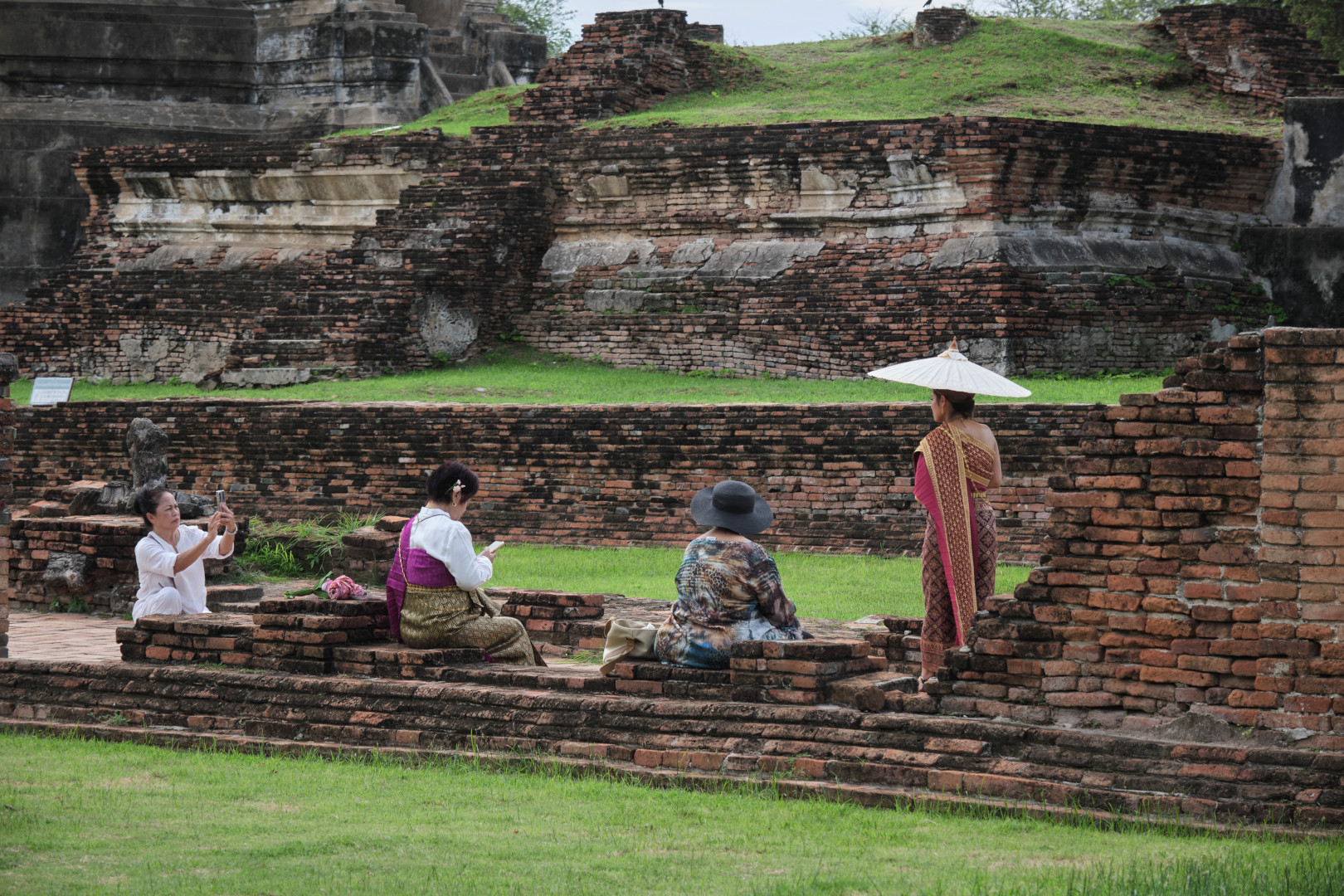
Like all the sites, you’ll find tourists wearing traditional Thai costume and taking lots of photos. Not as well organised as Wat Arun, there were no photographers jostling for position here and people were taking their own photos. That said, not many people were ‘dressed up’ at Si Sanphet.

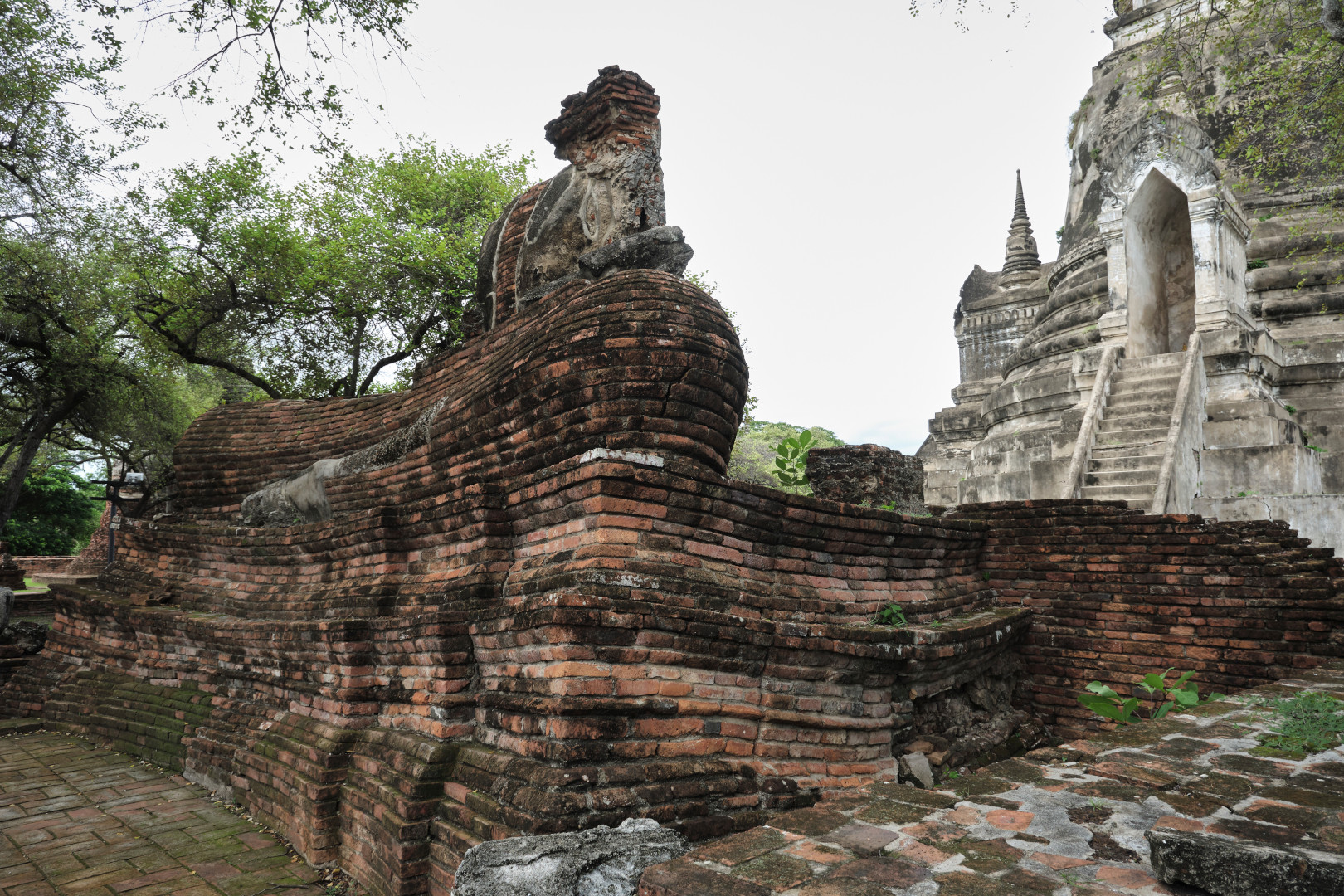
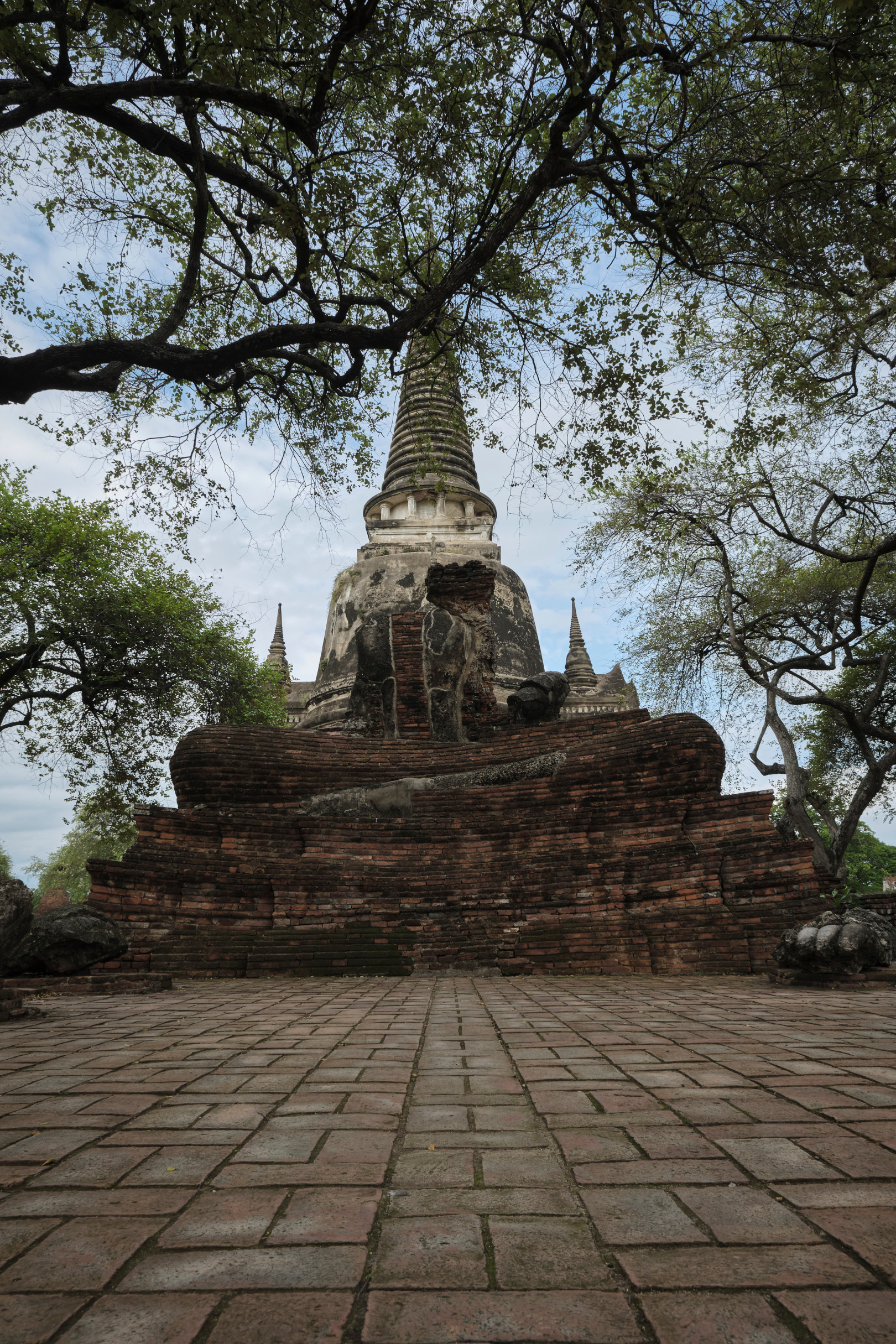
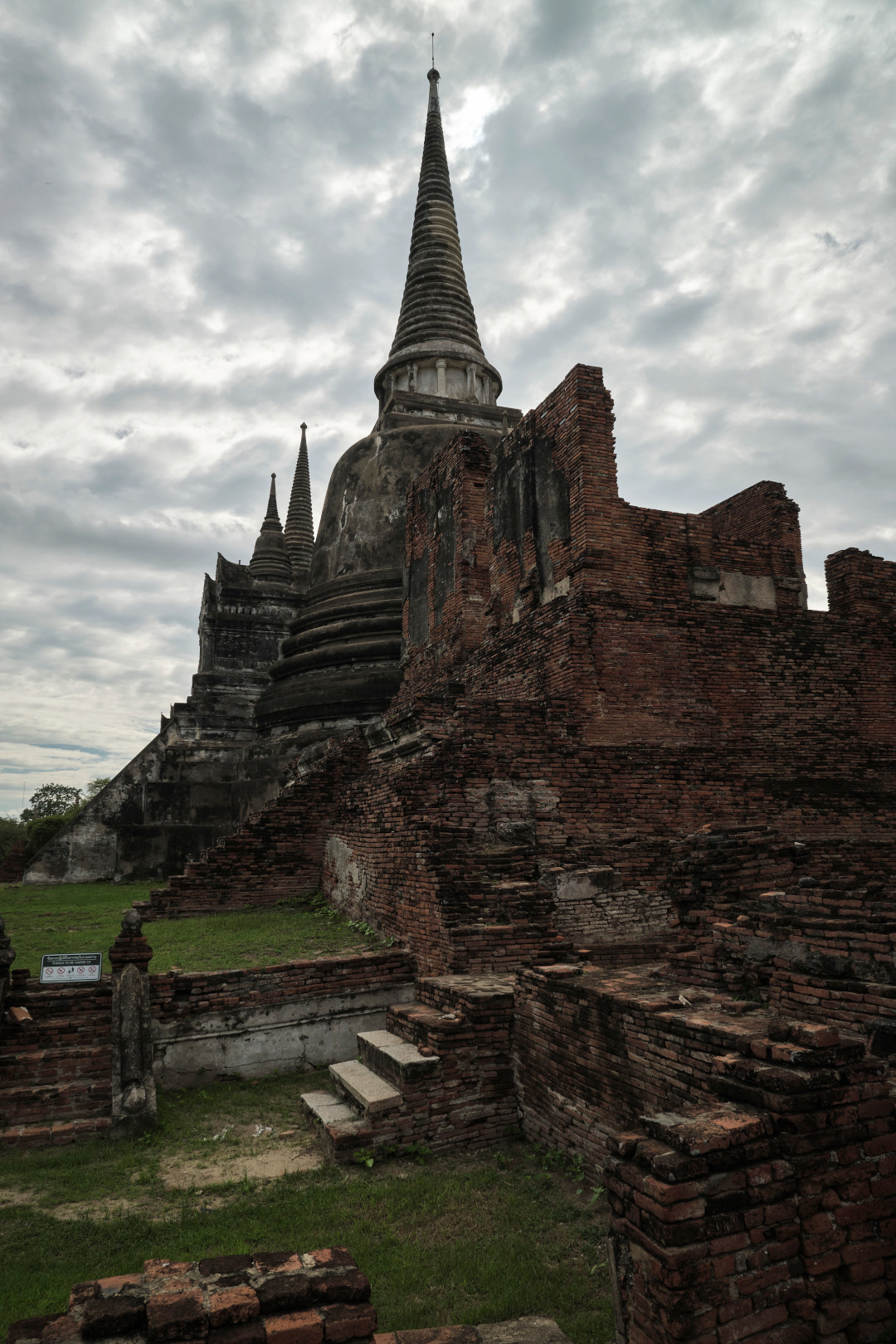
Si Sanphet’s main focus are the Stupas, which are really a small part of what was once a massive temple back in the day. My favourite part though was the broken buddha statue. Made up of thin bricks, it was amazing to see the many curves and shapes they were able to form. A real work of craftsmanship.

Although not as grand as some of the other ruins, Wat Phra Si Sanphet is probably the most significant of them since it was located in the Grand Palace and served as the royal chapel, the palace eventually becoming a monastery and the largest temple in the city. Now it gets overshadowed by the other, ‘more spectacular’ sites.

All in all, it was a nice, quiet – accidental – introduction to the many temples of Ayutthaya.