
Rule number 3: Photography is an expensive hobby
Rule number 4: but it doesn’t have to be.
Since digital SLR’s adopted the APS-C sized sensor, many film photographers converting to digital suddenly lost their wide angles. Like many, I liked my standard zoom to stretch to 24mm. Since manufacturers are a bit slow to catch up, the only other option is to buy an ultra wide angle zoom, but since they are rather expensive, (anyone else notice that lenses for a smaller sensor aren’t that smaller and are actually more expensive than they used to be for their 35mm equivalent?) I looked at a much cheaper option – Wide angle attachments.
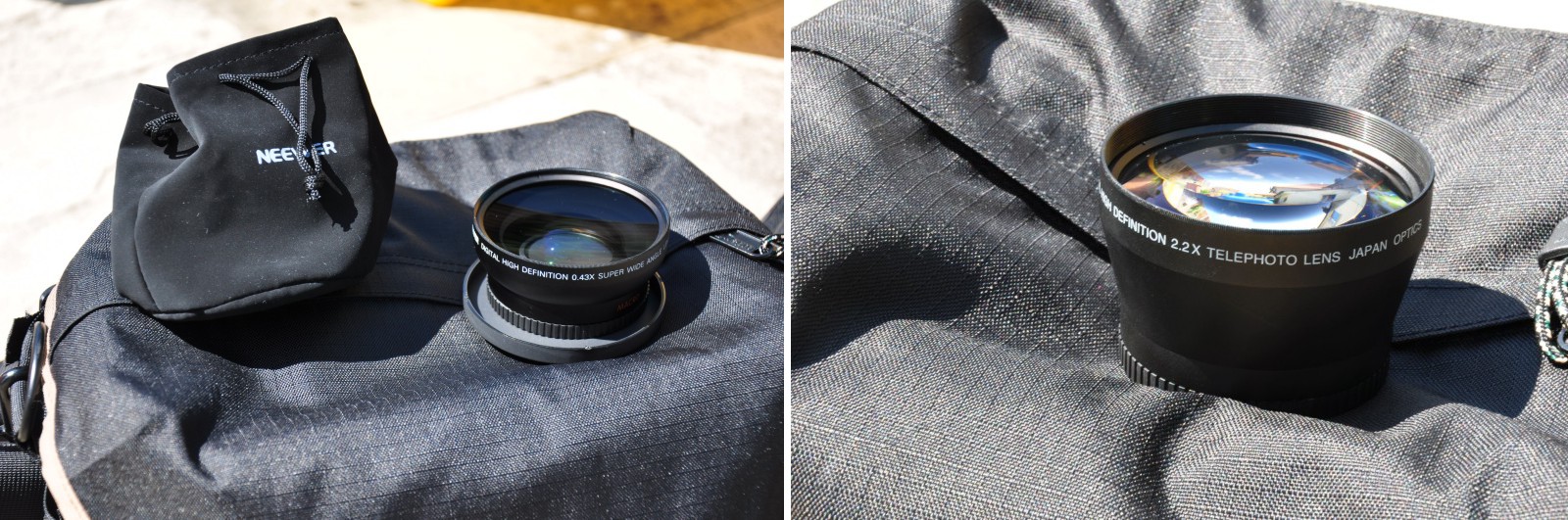
The ones I went for were a package of wide angle and telephoto lens attachments in a 67mm thread. (Let’s face it. they’re really just filters that screw onto the front of a standard lens!) They’re available all over ebay and Amazon in a variety of filter sizes and prices.
First Impressions
The Neewer lenses are a pretty standard set and I imagine the same lenses will be offered under a number of different brands. They are boxed in a plain white box and each have a soft cloth case and front and rear caps, so not bad. They do weigh quite a bit and are fairly substantial.
Wide Angle Lens
Let’s start with the wide angle attachment. This is actually made up of two lenses, a wide angle one and a macro one. The macro lens can be used on its own, but the wide angle lens will only work in partnership with the macro lens.
This is where the old adage of ‘you get what you pay for’ comes in to play.
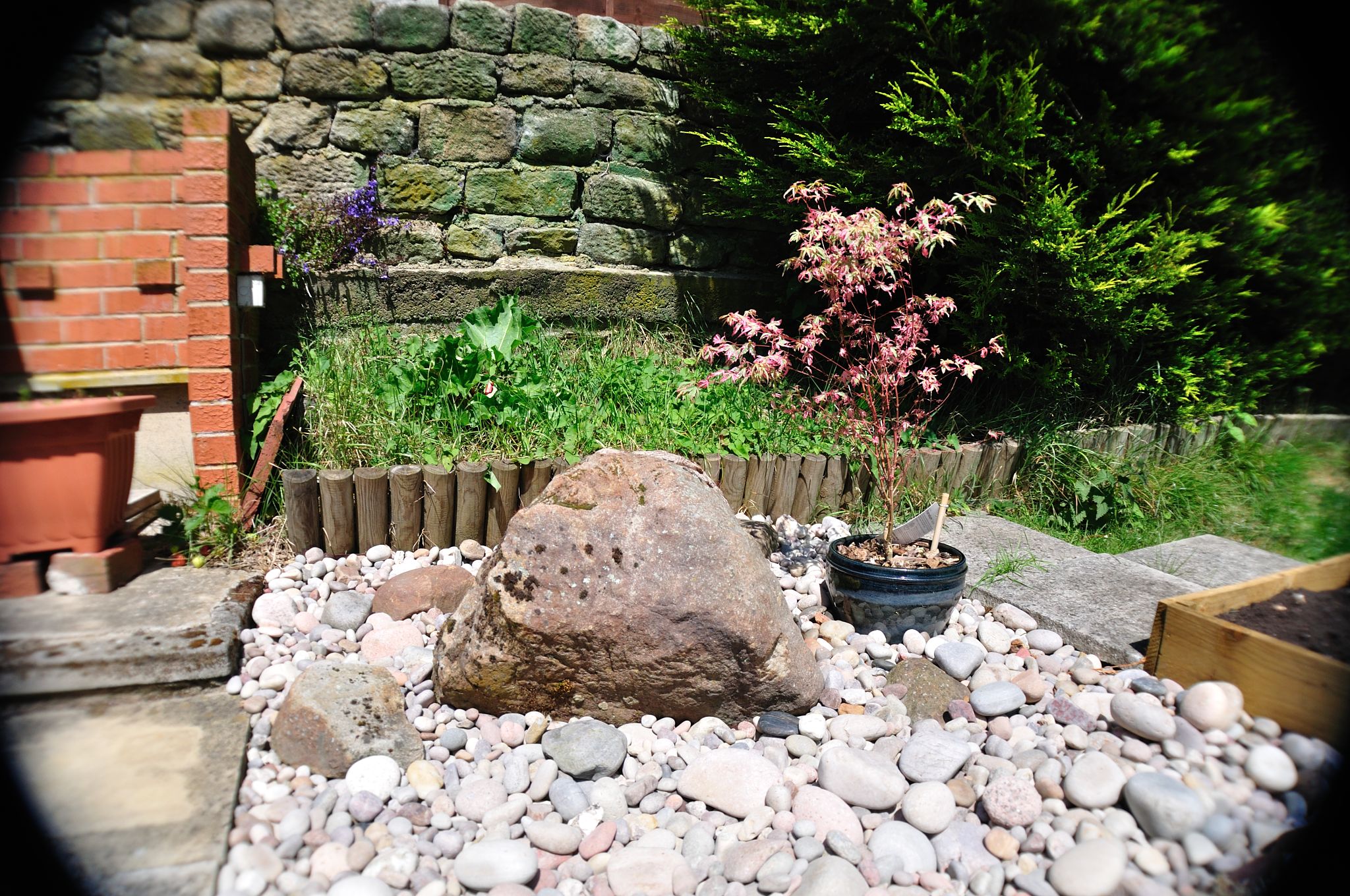
As you can see, there’s some serious vignetting and a real lack of sharpness at the edges. By the time you crop these out, you have less than what you would have had at 18mm. If you zoom in to remove the vignetting, you get to about 50mm and you end up with a strange zoom style motion blur that I really don’t find that pleasant.
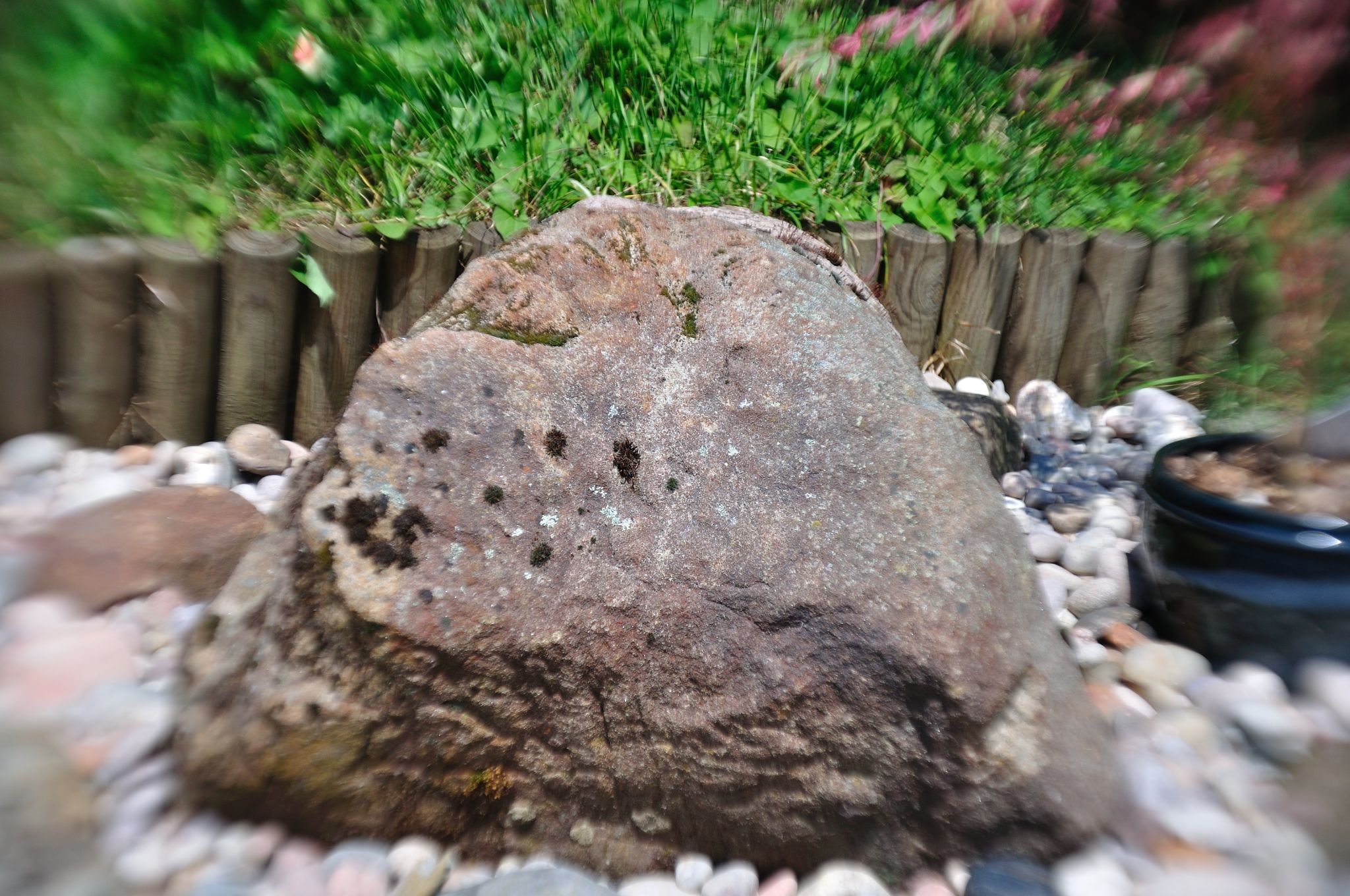
I’ll be honest, If I wanted a blurry effect, I’d use a lensbaby.
Macro Lens
OK. So the wide angle lens is a bust. What about the macro lens?
I’ll admit that I’ve never really done macro well, and I’ve only one other macro lens to compare it too, but the other lens (a Sigma Macro filter) was sharper.

That’s not a bad result, but look at the full size crops below and you’ll see some nasty colour fringing at the edges as well as loss of sharpness. it does pick out some remarkable detail in the centre though.

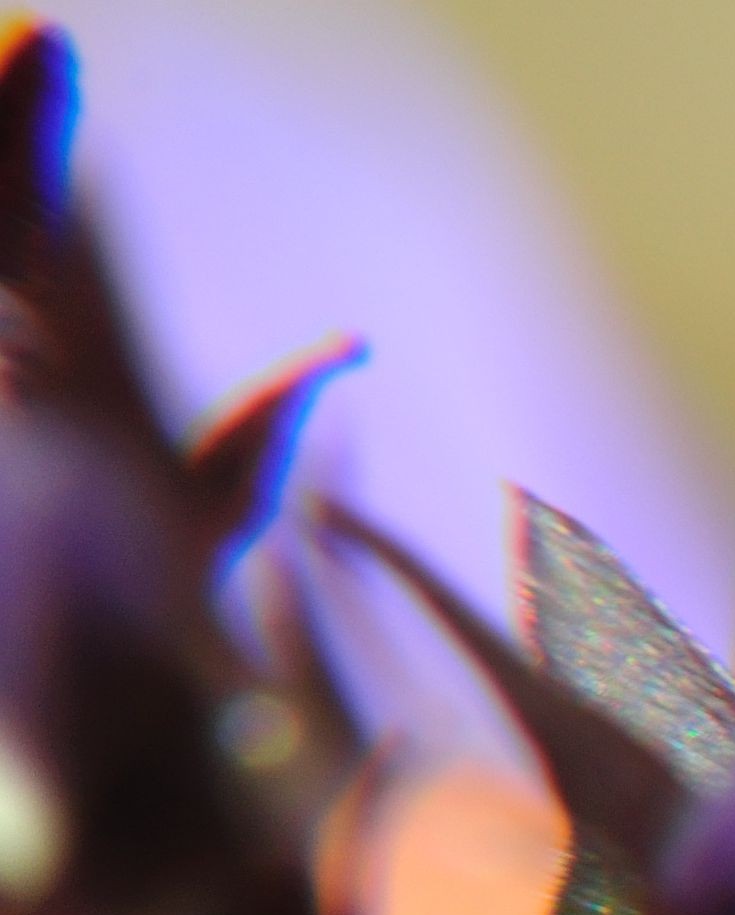
- corner crop full size
I’d say the macro lens was an average one, and you’re likely to find much better close up filters for not much more.
Telephoto Lens
I didn’t really want the telephoto lens, but it came free for the same price other’s were selling the wide angle lens alone for. This really is a hefty attachment though and I wouldn’t be keen to have this on my lens on a regular basis.

Actually, the results weren’t too bad. A little edge softness compared to 105mm without the attachment, but not at all bad.
Conclusion
I guess I could have done this review in a couple of choice words, but that’s not exactly helpful. So, does rule number 4 come into play here? Can you buy these and save some money, or is it worth spending (much) more? In this case, I’d have to blunt and conclude that these lenses suck. Save up your money and buy an ultra-wide angle lens. There are Sigma and Tokina lenses available for a couple of hundred quid and if you’re real lucky, you’ll find a second hand bargain. Just don’t waste your money on these.
 WeavingLight