
So Fujifilm have just announced the much anticipated X-E4 to an admittedly mixed reception, so I thought it would be fun to take a look back at the X-E4’s grandad, the X-E2. (We could argue that the X-E2 is really the X-E4’s great grandad, but the X-E2s was really just a refresh rather than a significant update, and with firmware updates, there is really not much to distinguish them. The X-E2s is really more like a younger brother to the X-E2).
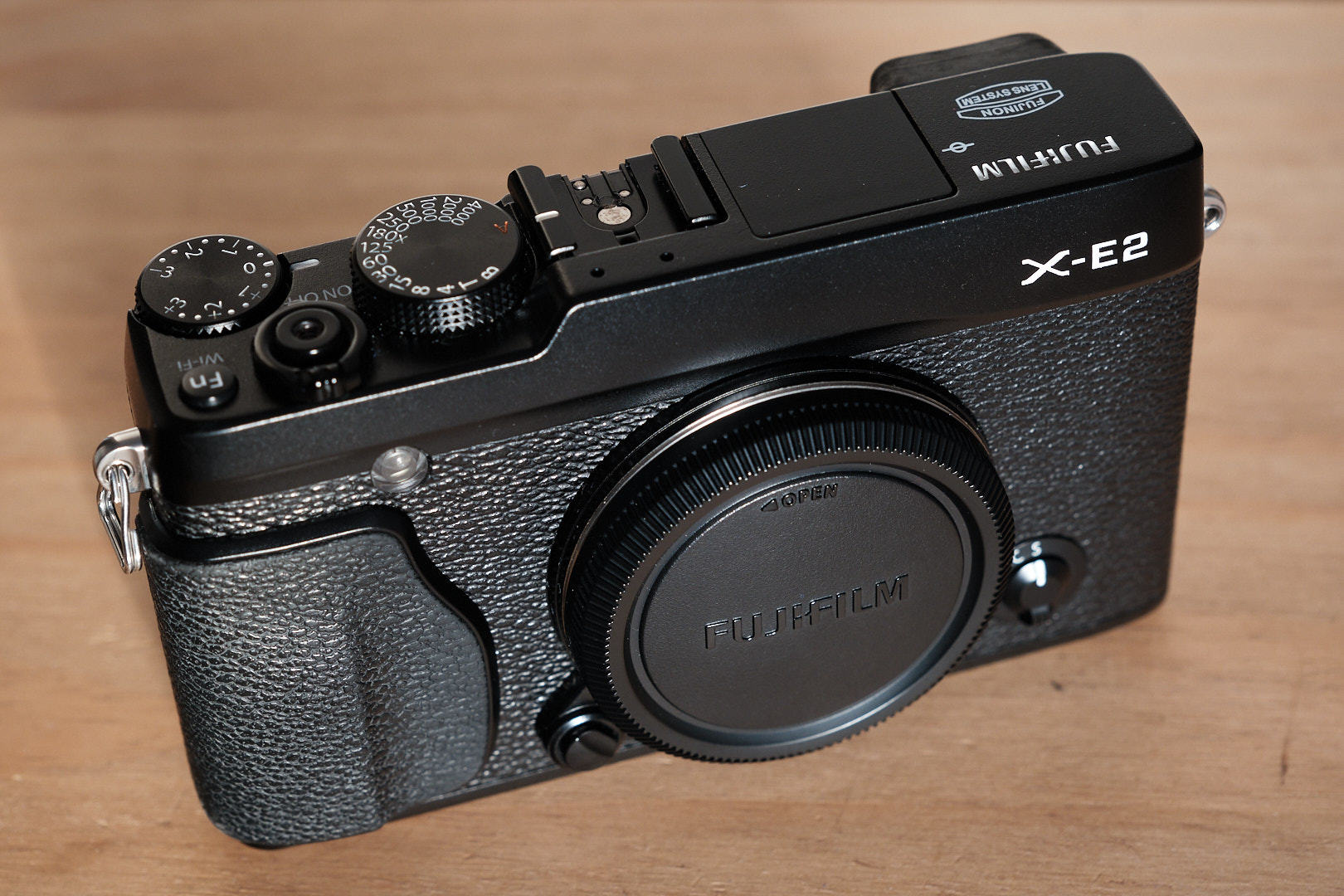
A quick look at the specs
The X-E2 was released in 2013 with an APS-C sized 16mp X-Trans ii CMOS sensor, and there are some that claim the second generation X-Trans sensor has the best colours compared to other generations. ISO range is from 200-25600. A 2.36 million dot EVF and a 3 inch 1.04 million dot LCD screen that is fixed. Maximum shutter speed range is from 30 seconds to 1/4000 sec.
It comes in at 350 grams and 129mm wide, 75mm tall and 37mm thick.The kit lens option was the excellent 18-55mm f2.8-4, which is the lens I paired it with when I owned it in 2014. This time I have it paired with the 16-50mm f3.5-5.6 OIS ii.

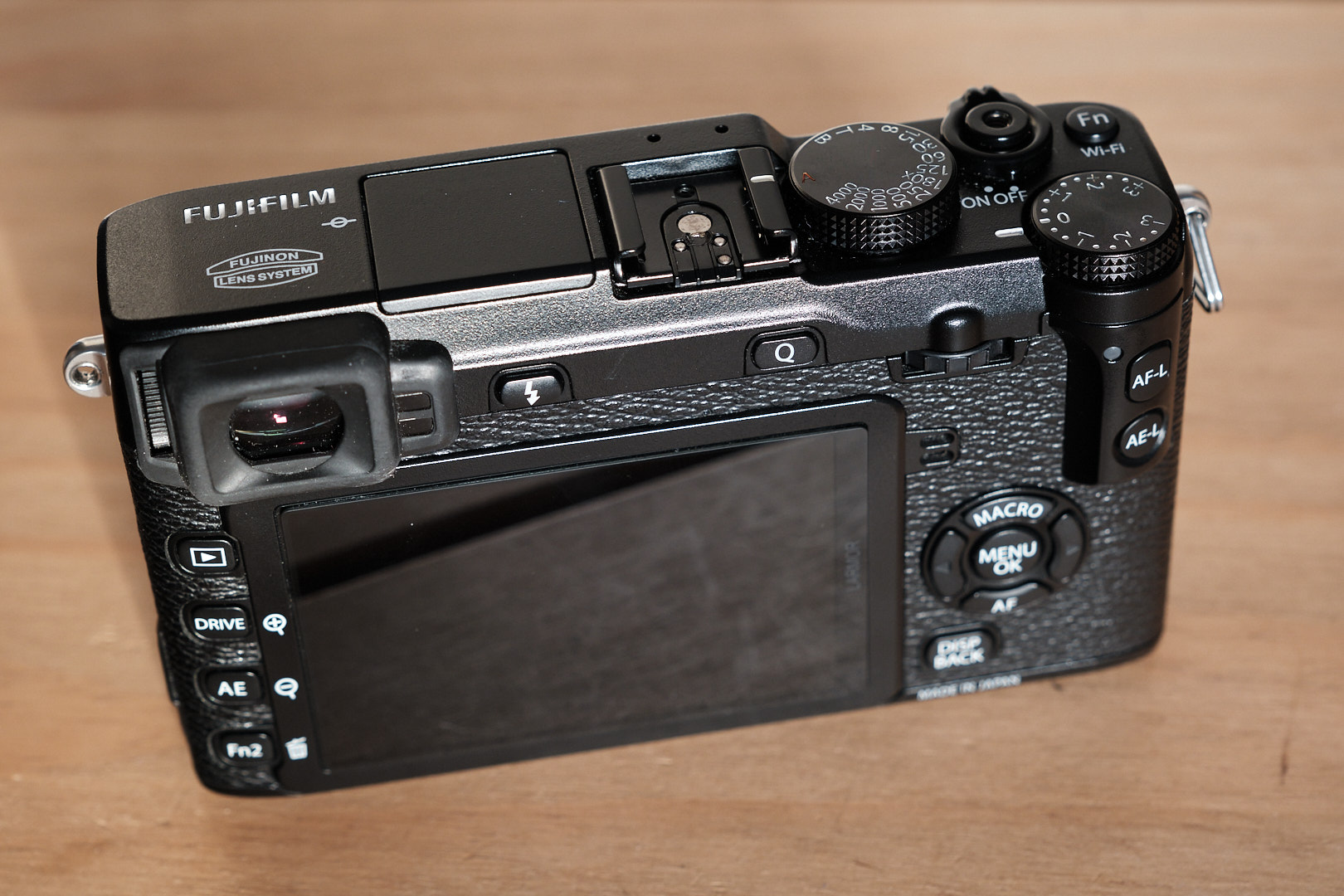
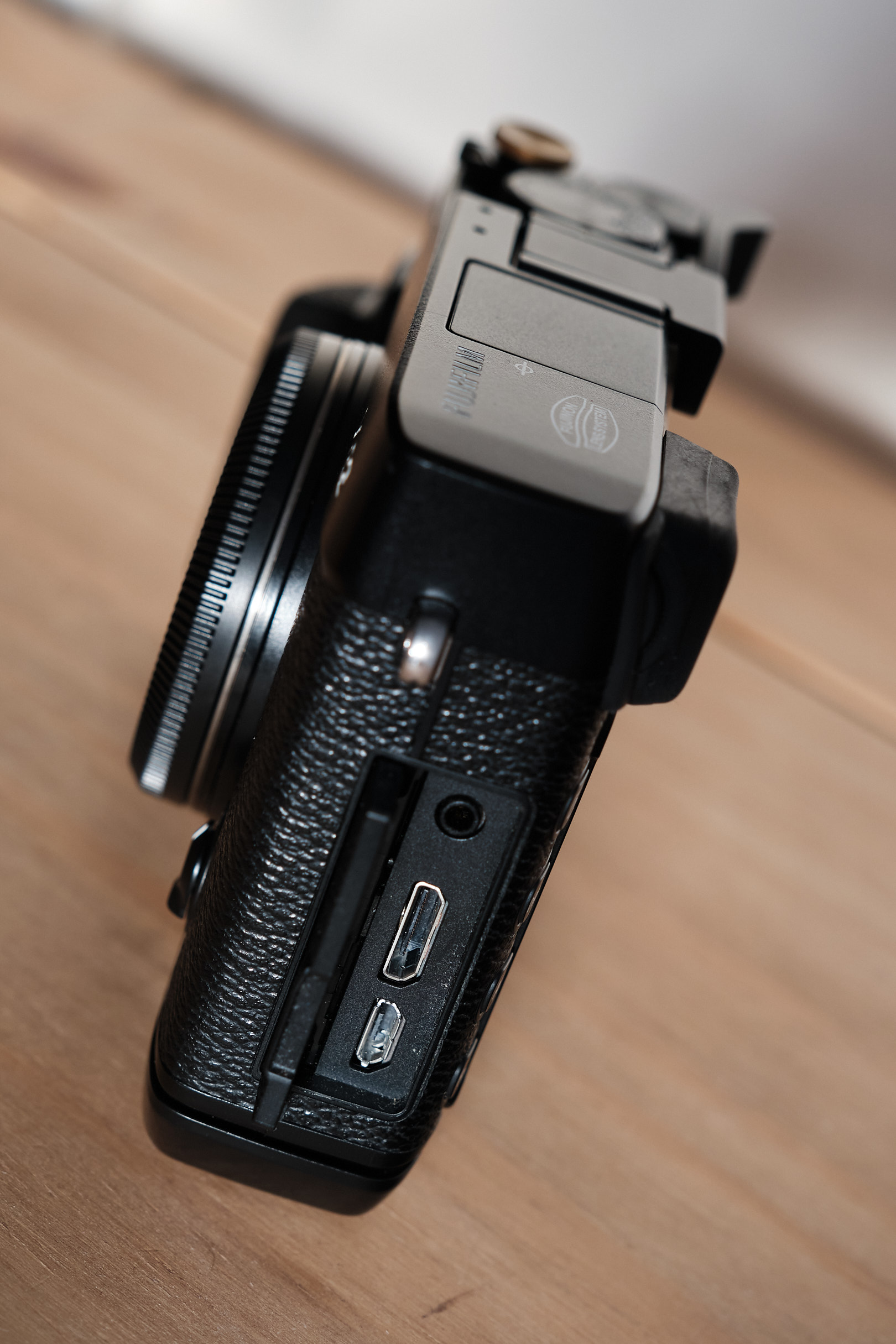
Choosing the X-E2
What drew me to the camera, and in fact to Fujifilm, were the aesthetics. Small and light with a rangefinder look, it was very different and new to me and I must admit, I loved it. I still think the X-E1/2/2S look is better than the X-E3/4, but that’s a personal thing. The X-E2, with its slightly longer stretch, just looks better to me.
The camera feels great straight out of the box and the lack of a substantial grip isn’t a problem like it is on the X-T3. That said, I do find a grip and thumb grip help, especially with zoom lenses. Plus the thumb grip helps prevent accidental knocking of the exposure compensation dial, which I was always doing.
I also like to add a soft shutter button. Back button focusing doesn’t feel as natural as it does on say the Sony A6000 series cameras, so a soft shutter button really helps nail that half shutter press, which I have a real problem finding without. (Maybe that’s just me though).
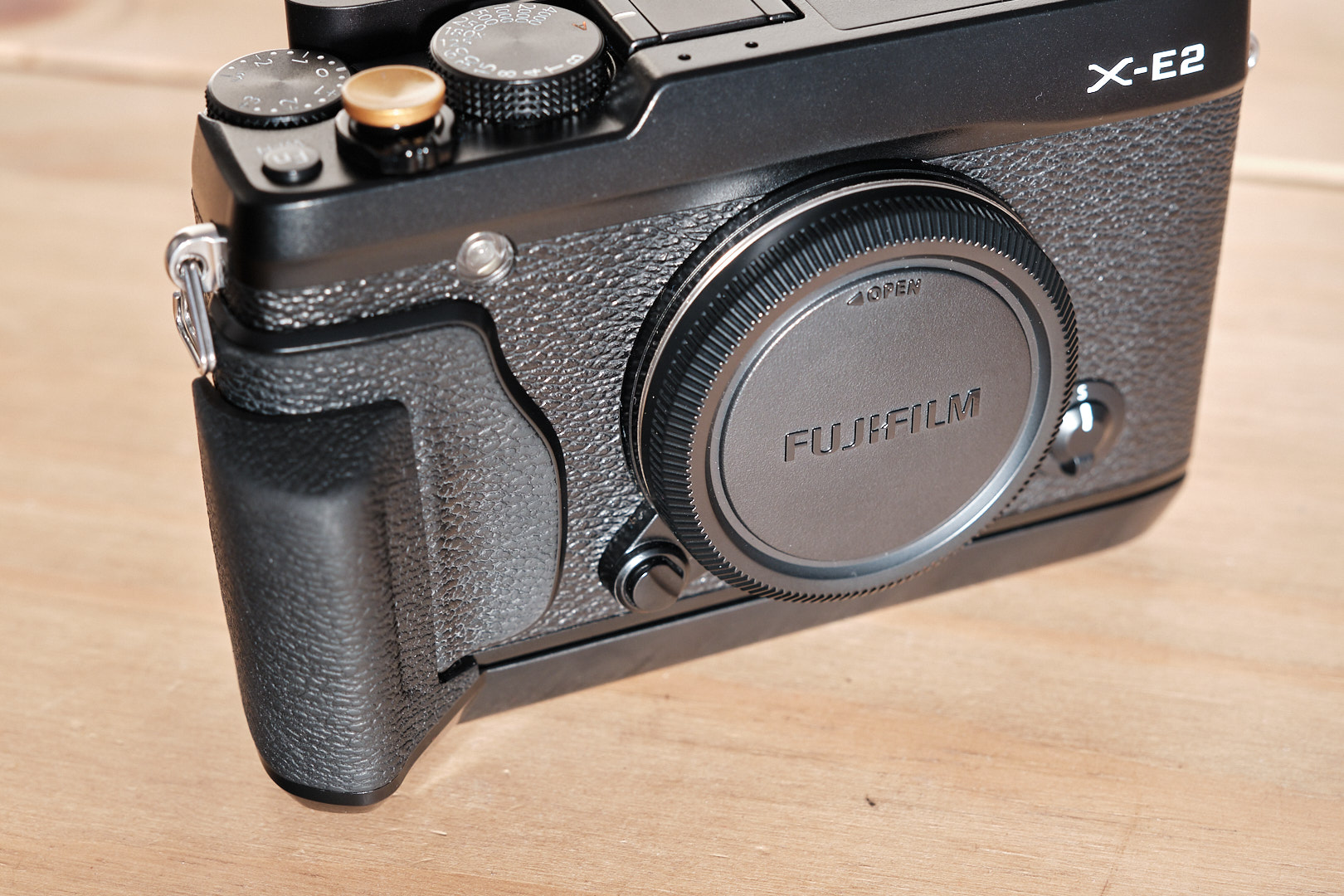
So it looks great. It feels great in the hand, but can a camera that is almost 8 years old now still give you good results in 2021?
Obviously, you can’t expect the same performance as a current model. There have been a lot of advances in the last 7 or 8 years around colour science, autofocus, video, noise, dynamic range, high ISO, etc., so you have to take these things into account, but if it was good enough back in 2014/2015 when I first owned it, surely it’s still going to produce good results now?
The results
My favourite film simulation in 2014 was ProNeg high contrast. It wasn’t quite the simulation of Pro400H, but it was close enough for my taste. I was so happy with the JPG images that I never really bothered processing the RAW files – I could never get them as good as the JPG’s anyway using SIlkypix. Thankfully, Fujifilm now use Capture 1 and I really like that software. You don’t get the film simulations in Capture 1 like you can for the 3rd and 4th generation XTrans cameras, so that’s something to keep in mind. The JPGs are still good though. Even now they still impress me, probably more than they do out of the X-T3. (All the images in this review are all straight out of camera with the ProNeg high film simulation or a tweaked monochrome film simulation. They have been re-sized for faster loading).





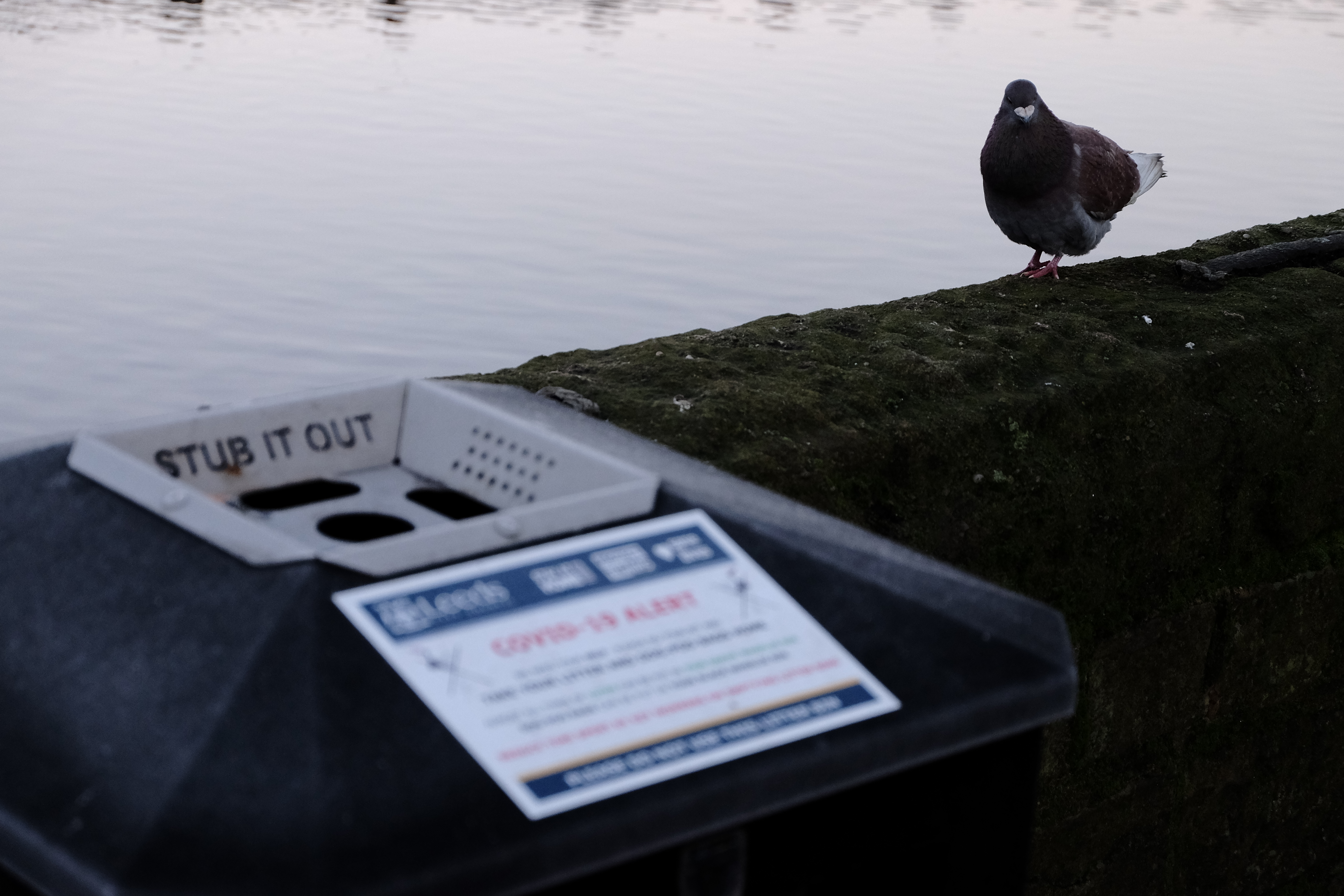

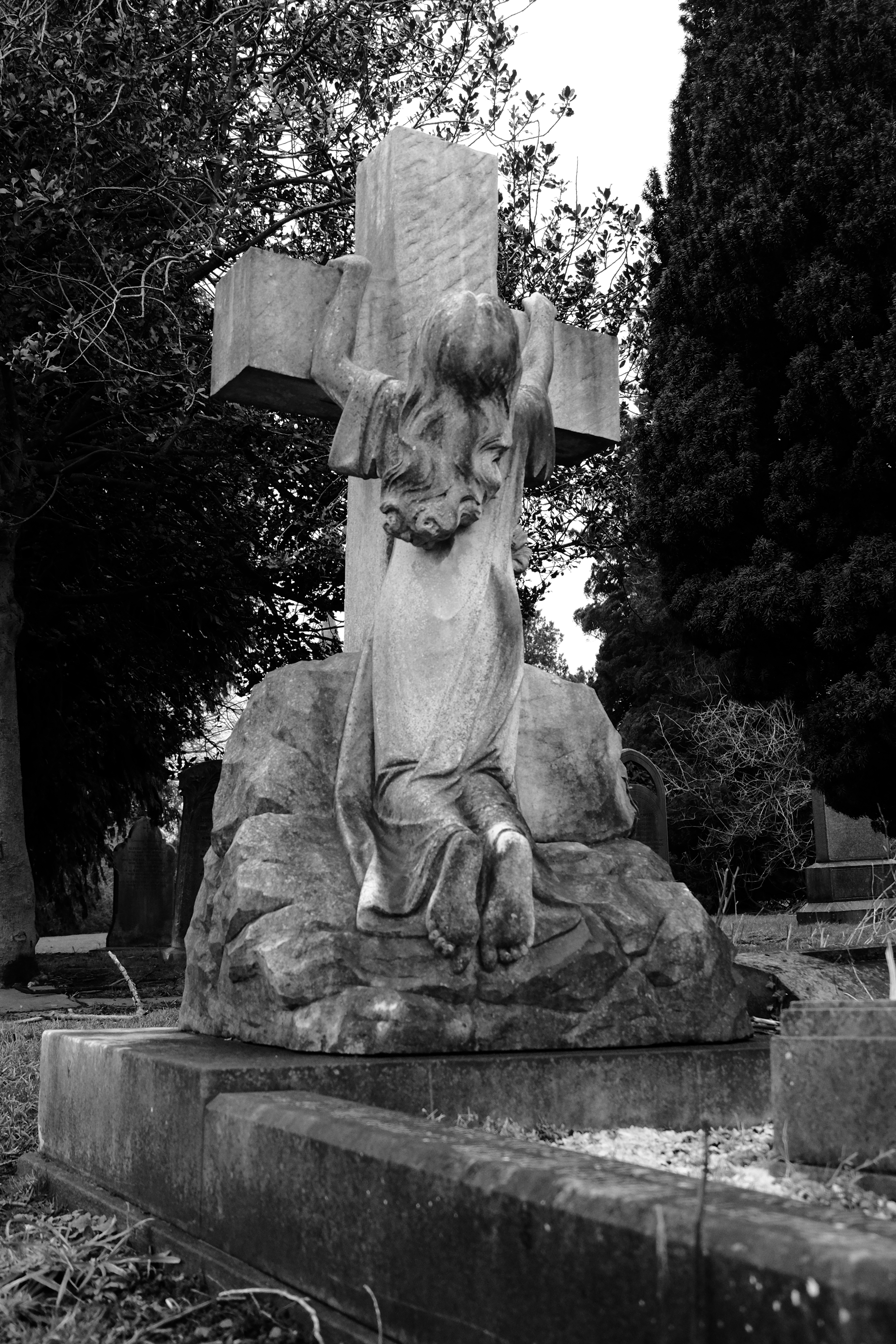

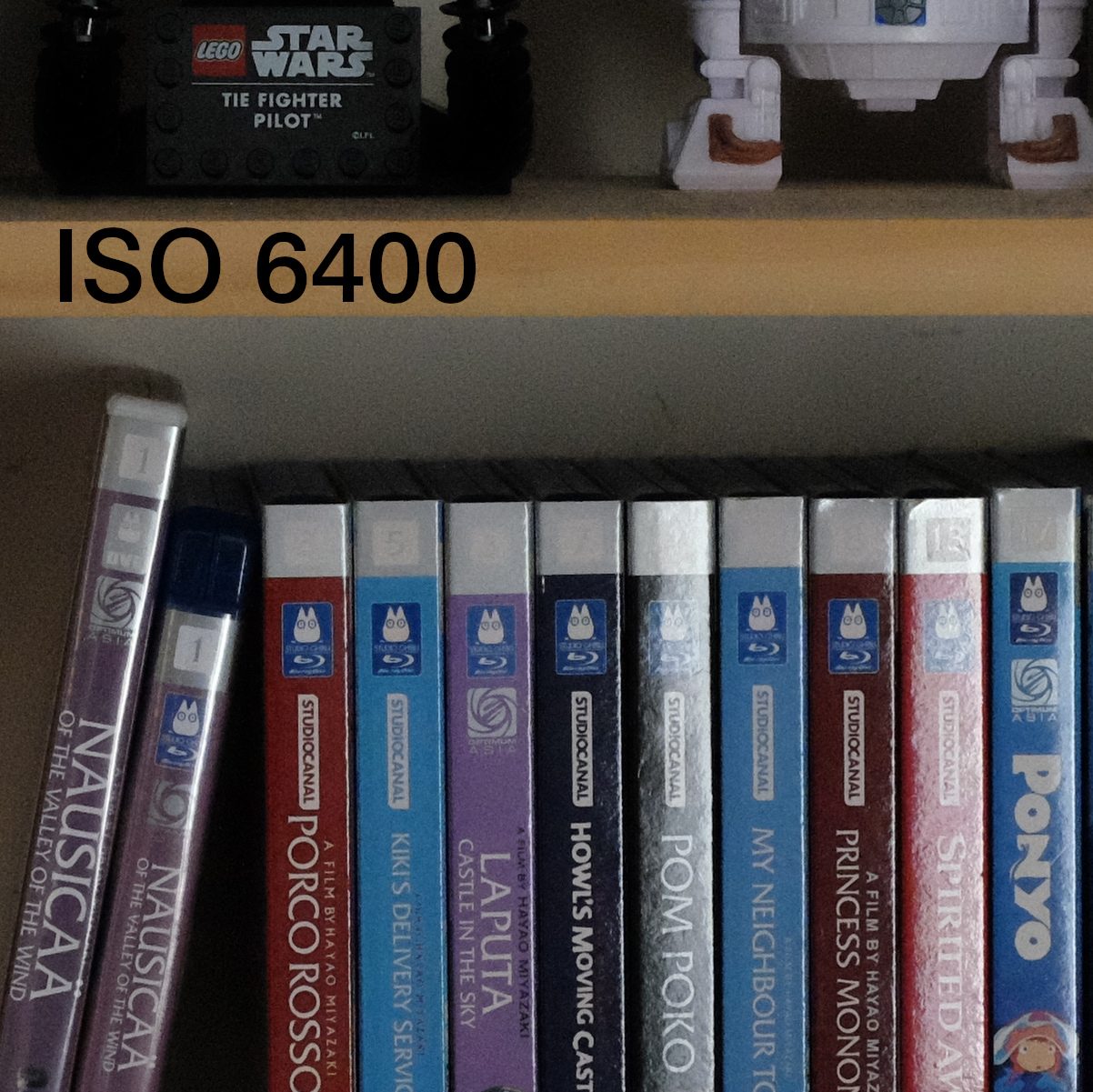
JPGs are great at 400 and 800 ISO. You do start to see some noise start to creep in at 1600 and there is quite a bit at 6400. Images keep their sharpness quite well in exchange for the noise.
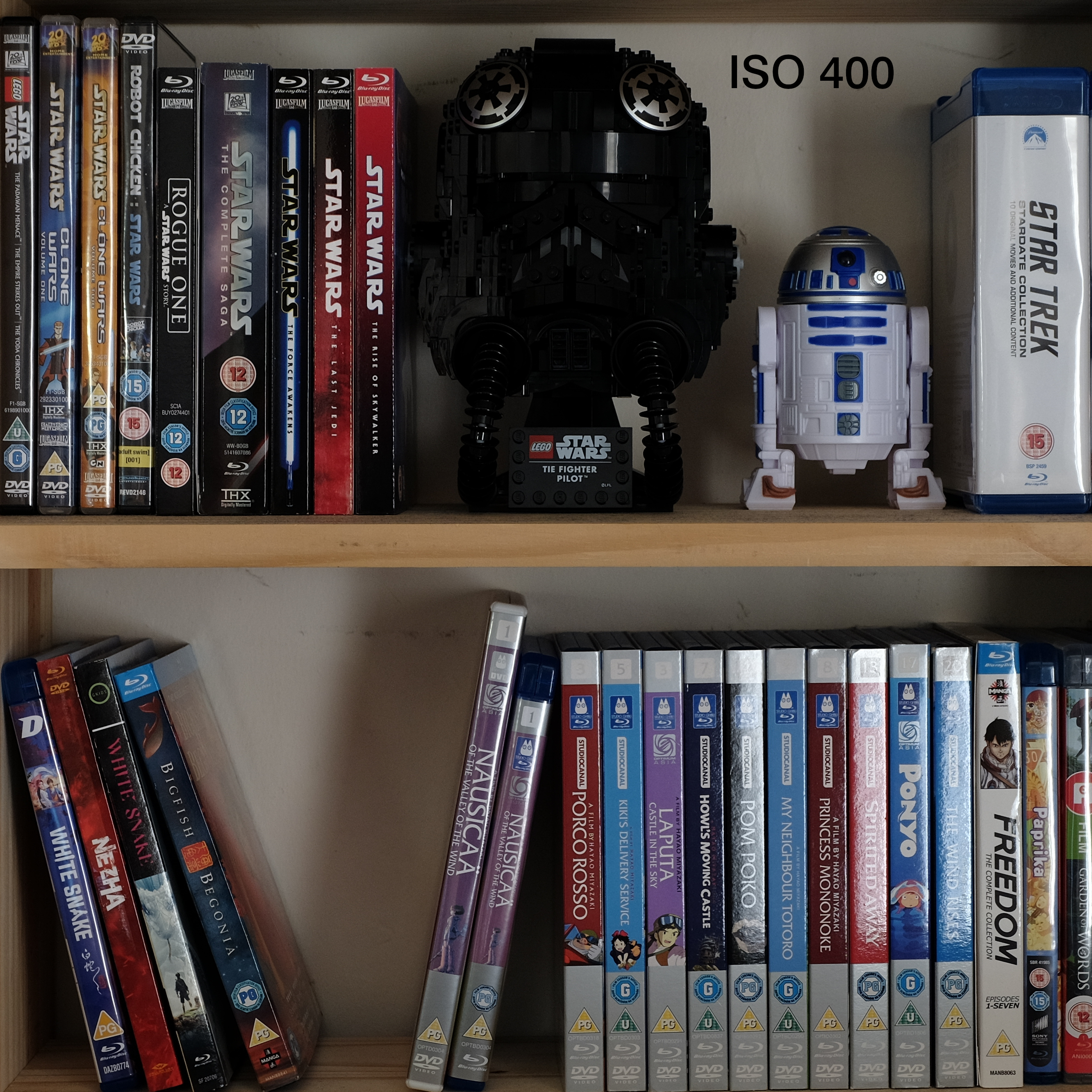
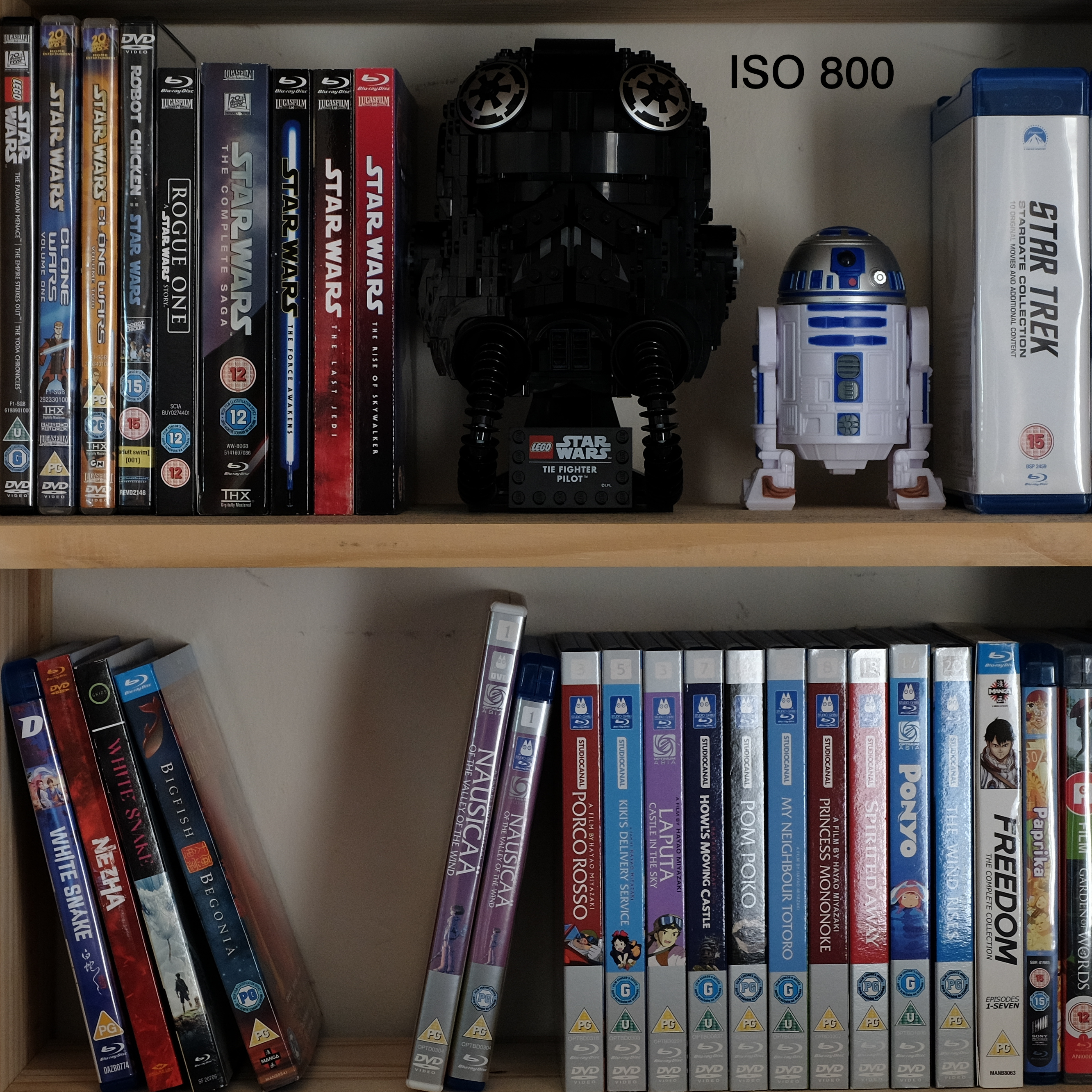
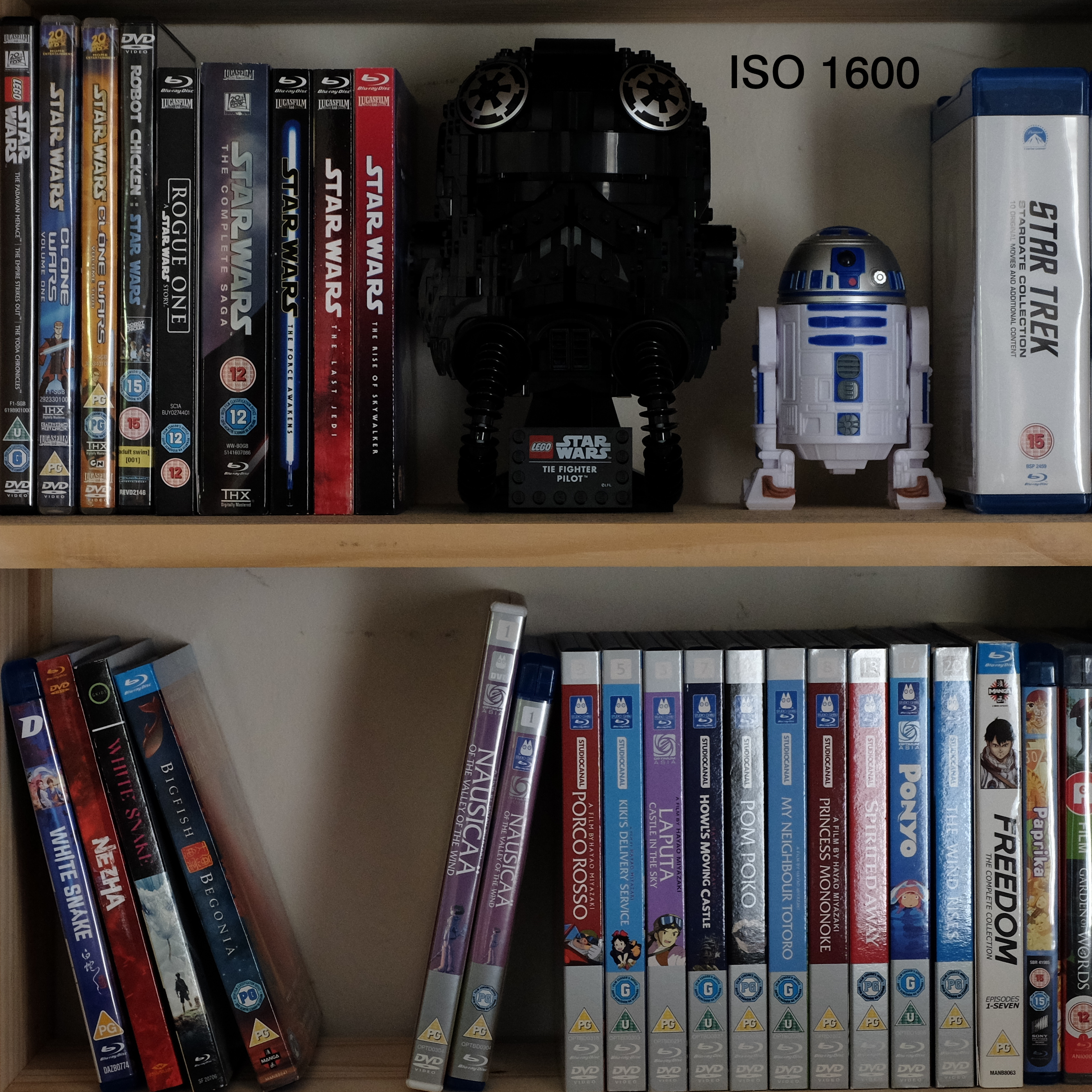
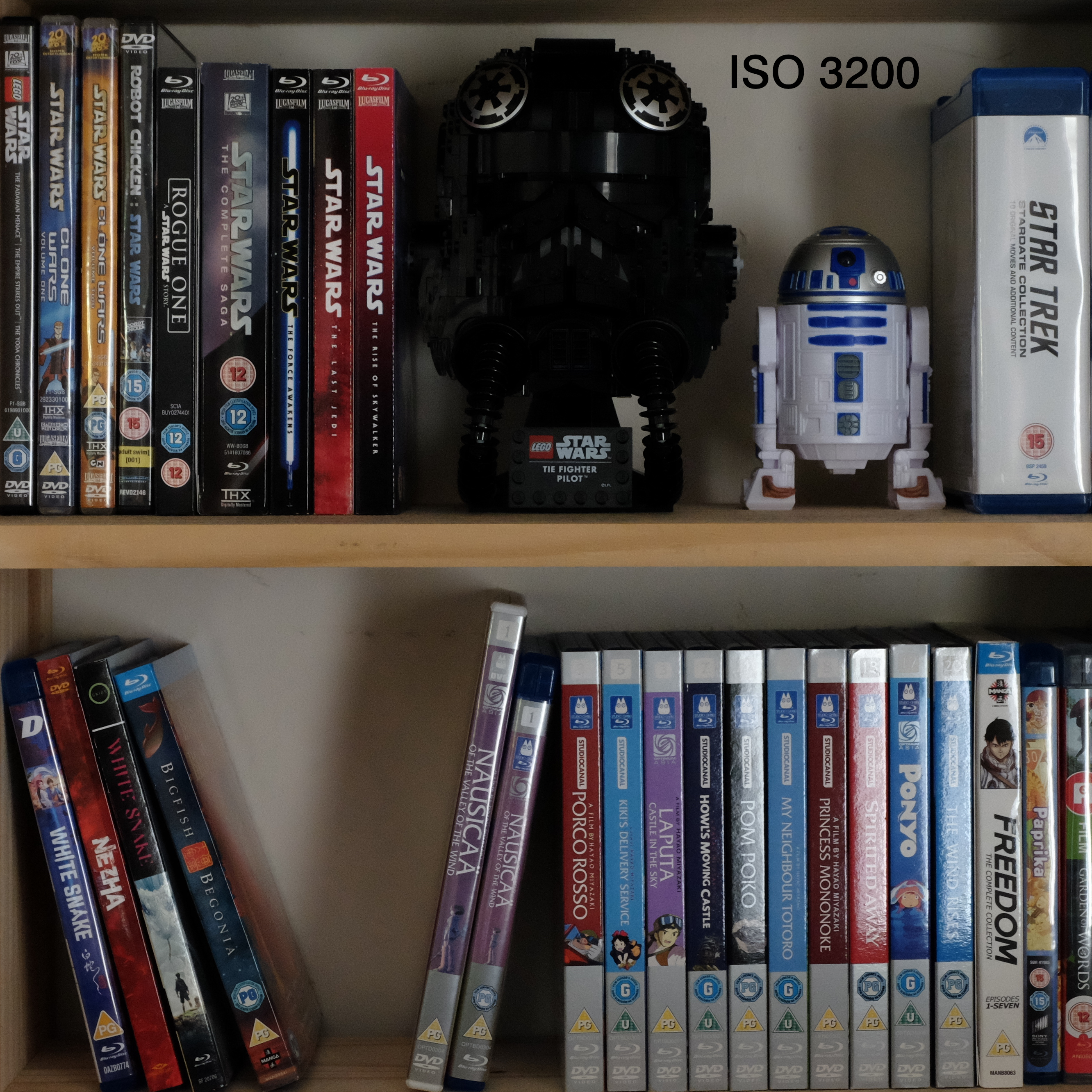
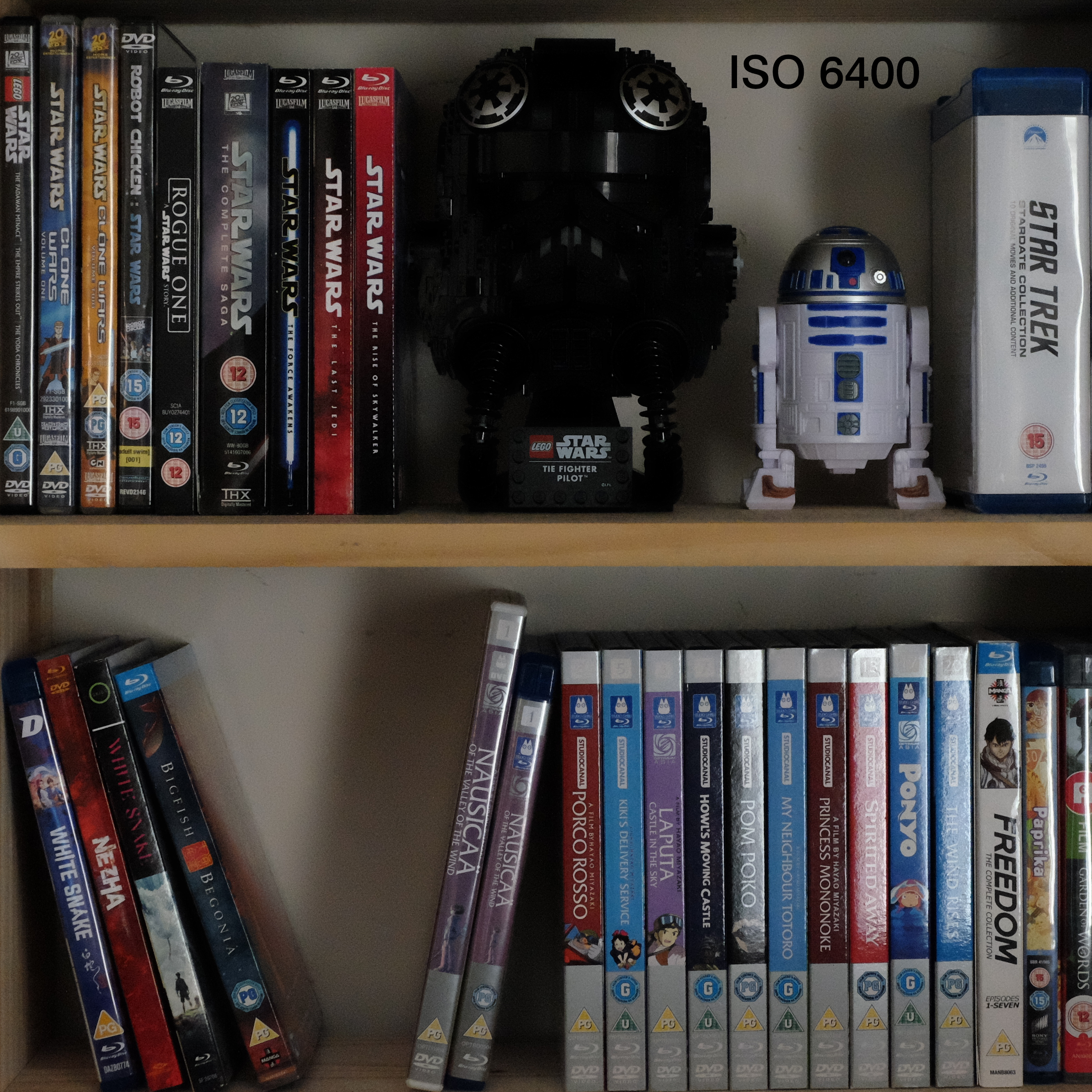
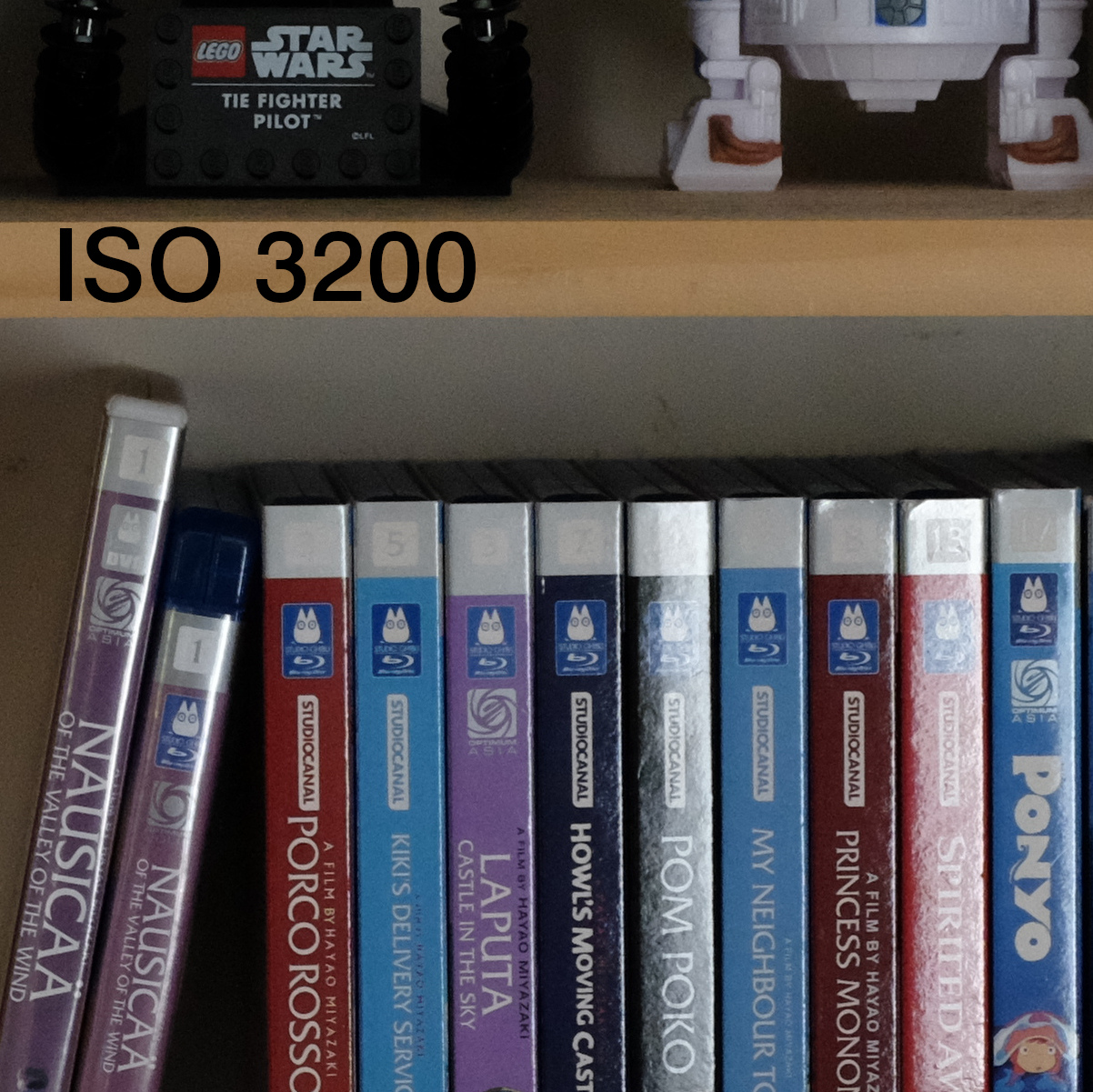
So how do the colours compare to the X-T3?
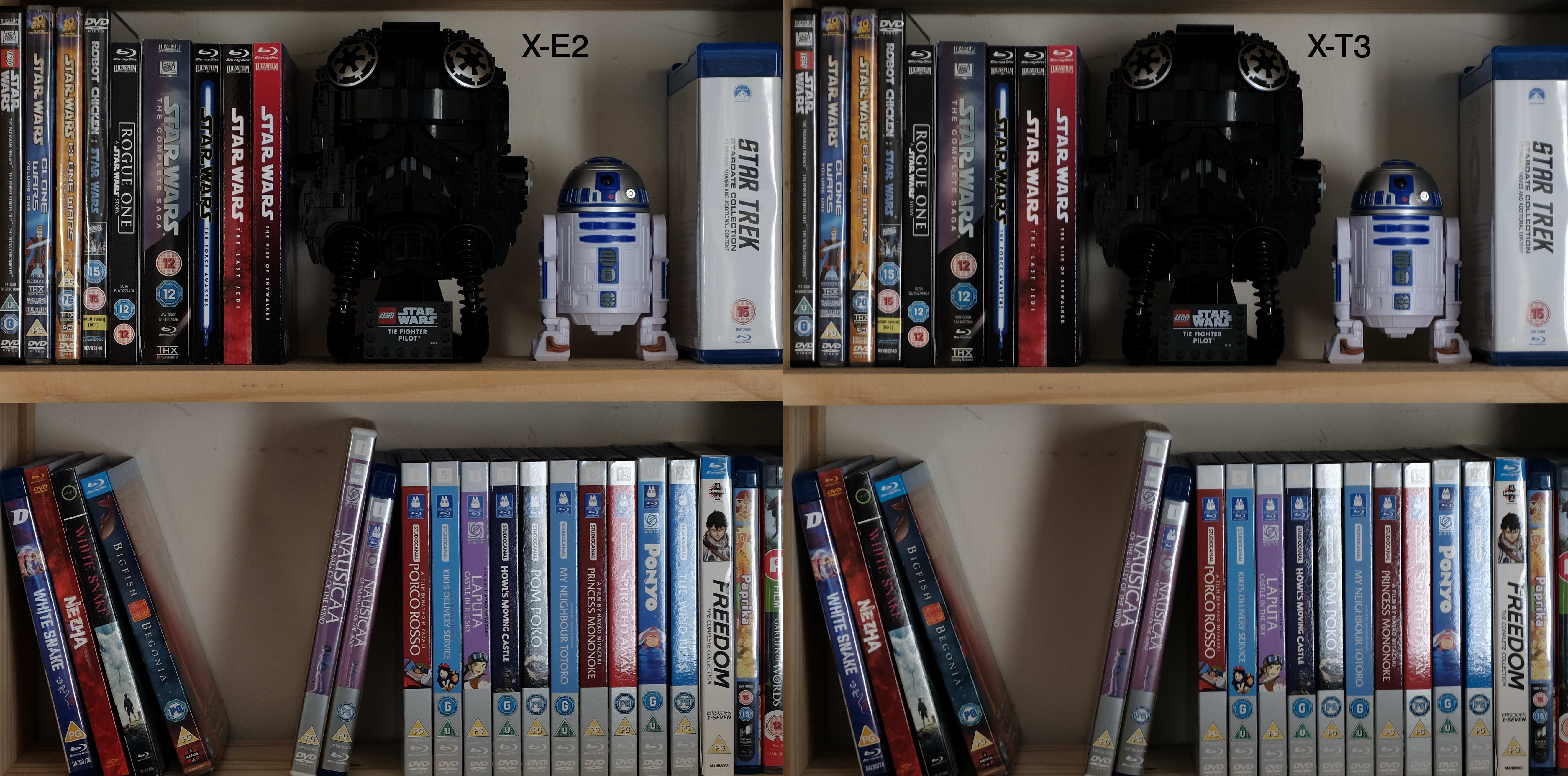
Straight out of camera, you can see a very slight difference in the colours between the two. The X-T3 is slightly less saturated with the same settings, but there really isn’t much to it. I think the X-E2 just edges ahead in the JPG stakes.
As a photographic tool, the X-E2 is a wonderful experience. I never really used it as a video tool, but it will do 1080. I know Fujifilm always seemed to be criticized for its shoddy video – something they have addressed in later generations. I’ve attached a basic video – nothing special, but it’s okay.
In Conclusion
Ultimately though, the question was ‘can an 8 year old camera still deliver the goods in 2021?’I would say the answer is yes. Obviously, you lose some of the newer functions, the better quality at high ISO, faster auto-focus, but if I only had the X-E2 with me, and not the X-T3, then I would still be confident that the camera will deliver the goods.
The X-E2 sells for around £150-£200 without a lens and makes a great cheap entry into the Fujifilm eco-system. It also makes a good back-up body.
Go on. You know you want to 😉
 WeavingLight