

Vintage lenses are having a bit of a renaissance thanks to mirrorless cameras. Famous lenses like the Takumars and even old Nikon pre-Ai primes, are enjoying a resurgence in popularity, but no-one cares about vintage manual focus zooms. Right?
The Canon nFD 35-70 f4 is a cheap, unloved, forgotten zoom lens that can still be bought for around £50, but is it any good?
The specs
Canon’s 35-70mm f4 zoom is an FD mount lens of the nFD, or new FD, type, which just means it lost the fiddly breach lock mount in favour of a bayonet style mount. It was first sold in 1979. It has 8 elements in 8 groups and 6 aperture blades. Aperture ranges from f4 to f22 with half stops. Lens diameter of 63mm and an overall length of 84.5mm and weighs in at 315gm.
The filter thread is 52mm, but good luck getting a filter on and off, as the lens zooms in and out within an external tube which serves as a built in lens hood, which is probably why it comes with a push on lens cap.
The lens has a minimum focusing distance of 50cm and the focus throw from minimum distance to infinity is just under 180 degrees.
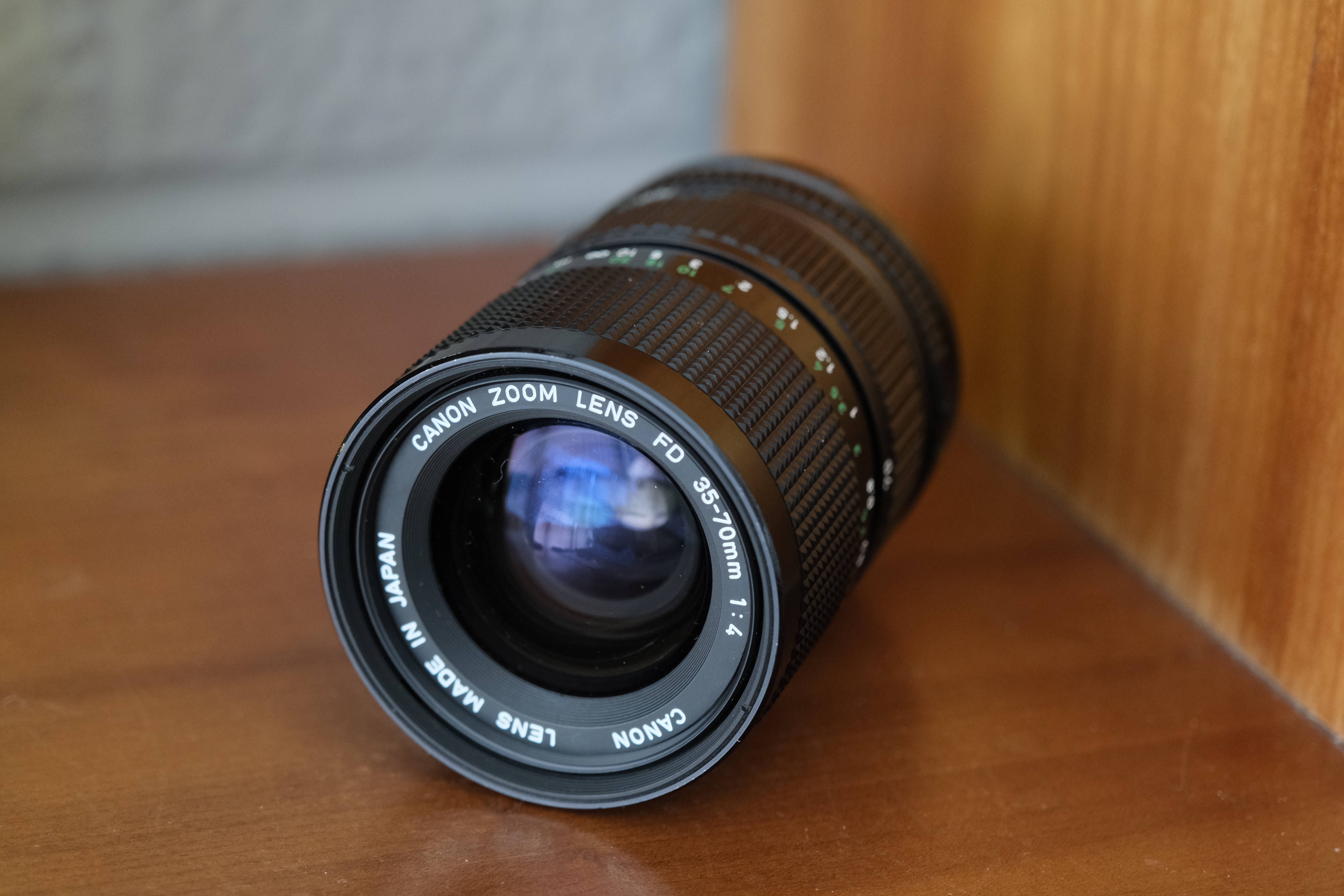
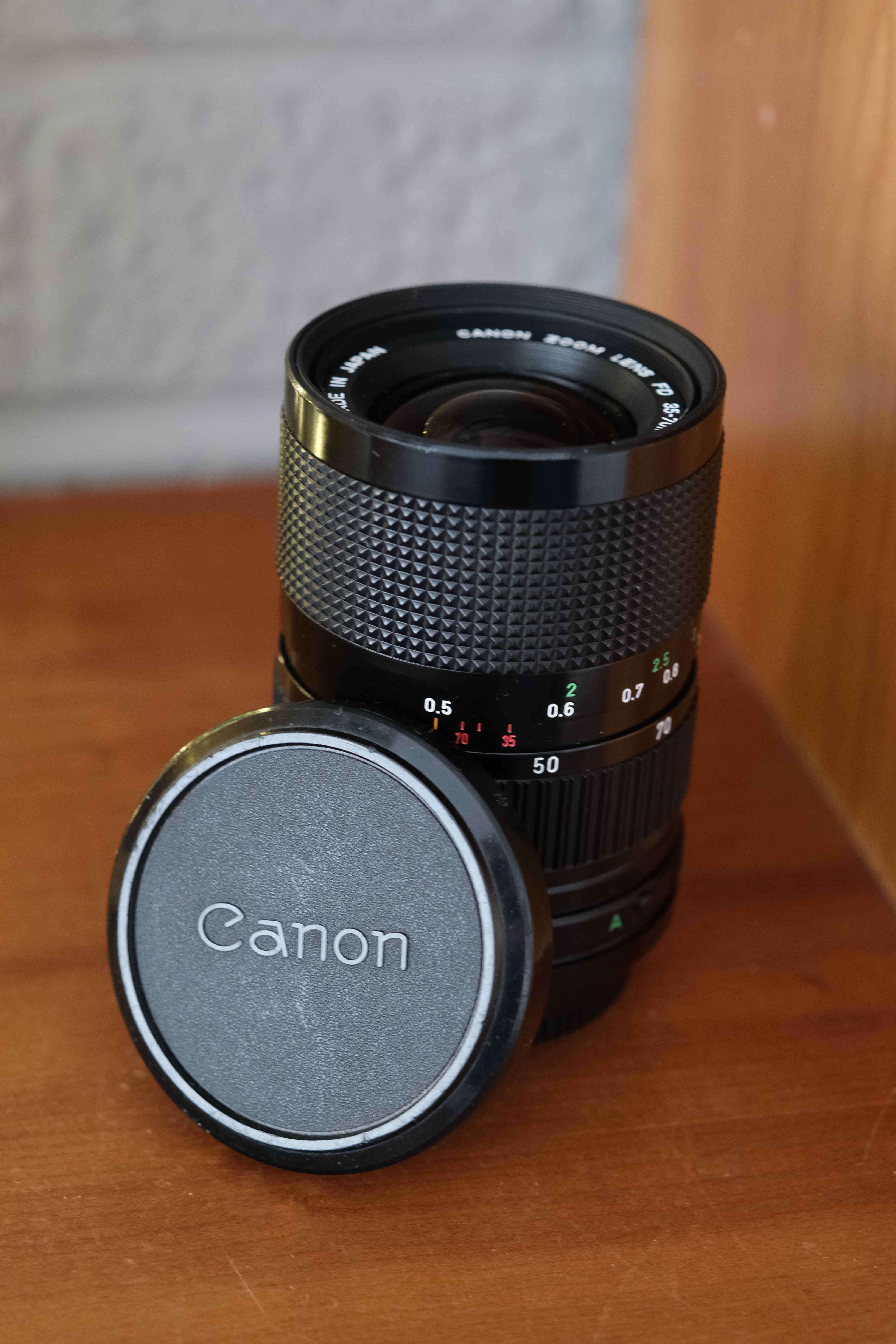
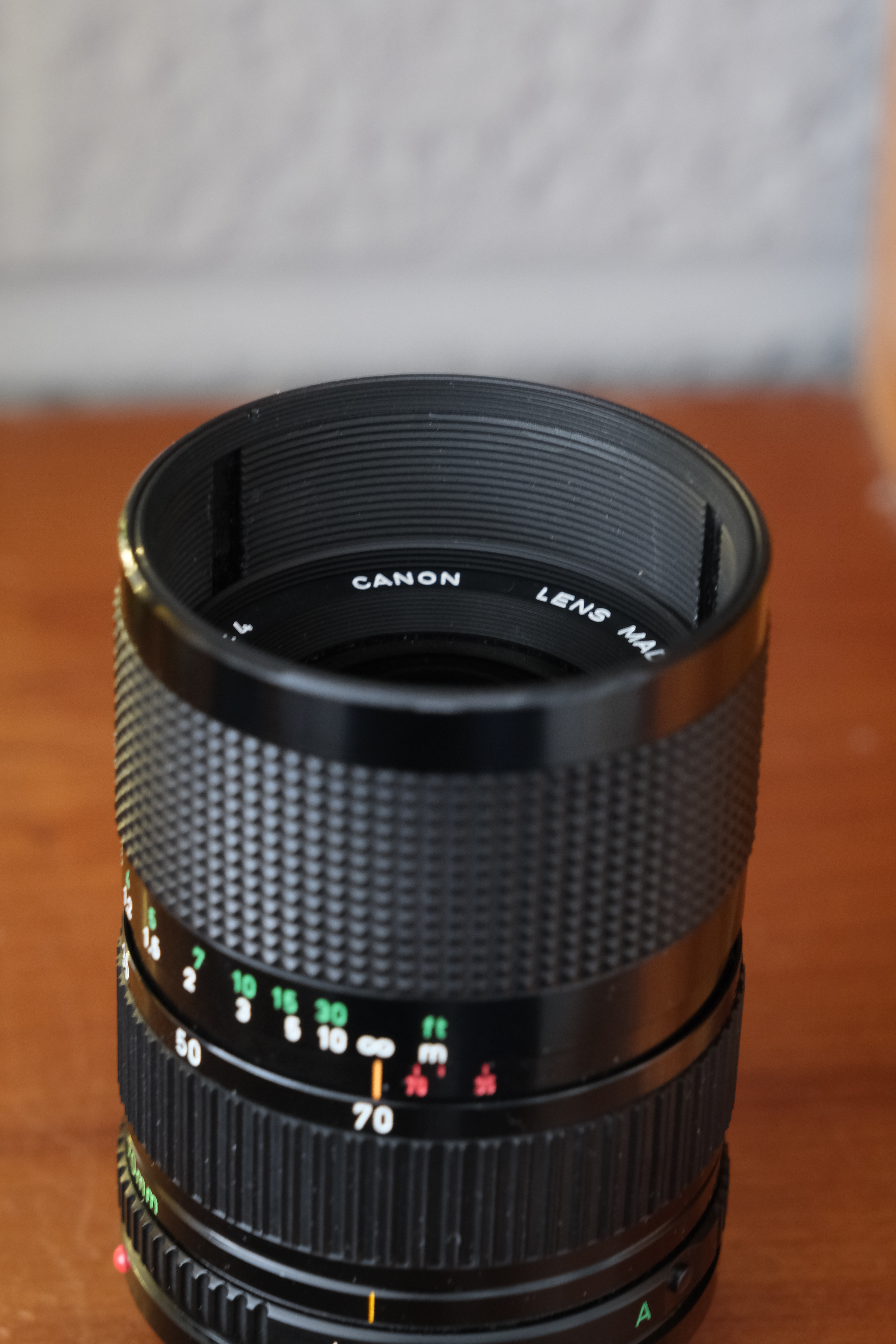
Build Quality and Feel
The build is plastic and feels a bit cheap. I would say it feels like most cheap zoom lenses of the eighties. The focus and zoom rings are light and not well damped, which doesn’t help the cheap feel, but the aperture ring has a firm feel with nice clicks with each half stop (much better than the aperture rings on their SSC primes which feel a bit flimsy). Safe to say, this isn’t as rugged as say a Nikon AI lens.
In its favour is the size and weight. This is a light and compact zoom lens, and given it has a constant F4 aperture, that’s not bad, even in the age of manual focus lenses. It gets a bit long when mounted on an adapter for a mirrorless camera, but its still a light and compact lens and nicely balanced on the Fujifilm X-T3.
In Use
I took it out to Hornsea beach back on New Years day and was pleasantly surprised not just at the quality of the images I was getting, but also how easy it was to focus. Not being well damped didn’t hinder the focusing at all. I usually prefer a longer throw to really nail focus, but at a whisper under 180 degrees, it was just about right.
And as mentioned earlier, the lens was nicely balanced on the X-T3. The zoom does extend when zooming and focusing, but you don’t notice it as the front element never protrudes beyond the front of the zoom ring/built in lens hood. It was actually very pleasant to use and I must admit, a little bit fun.
Image Quality
All images are straight of camera jpegs.

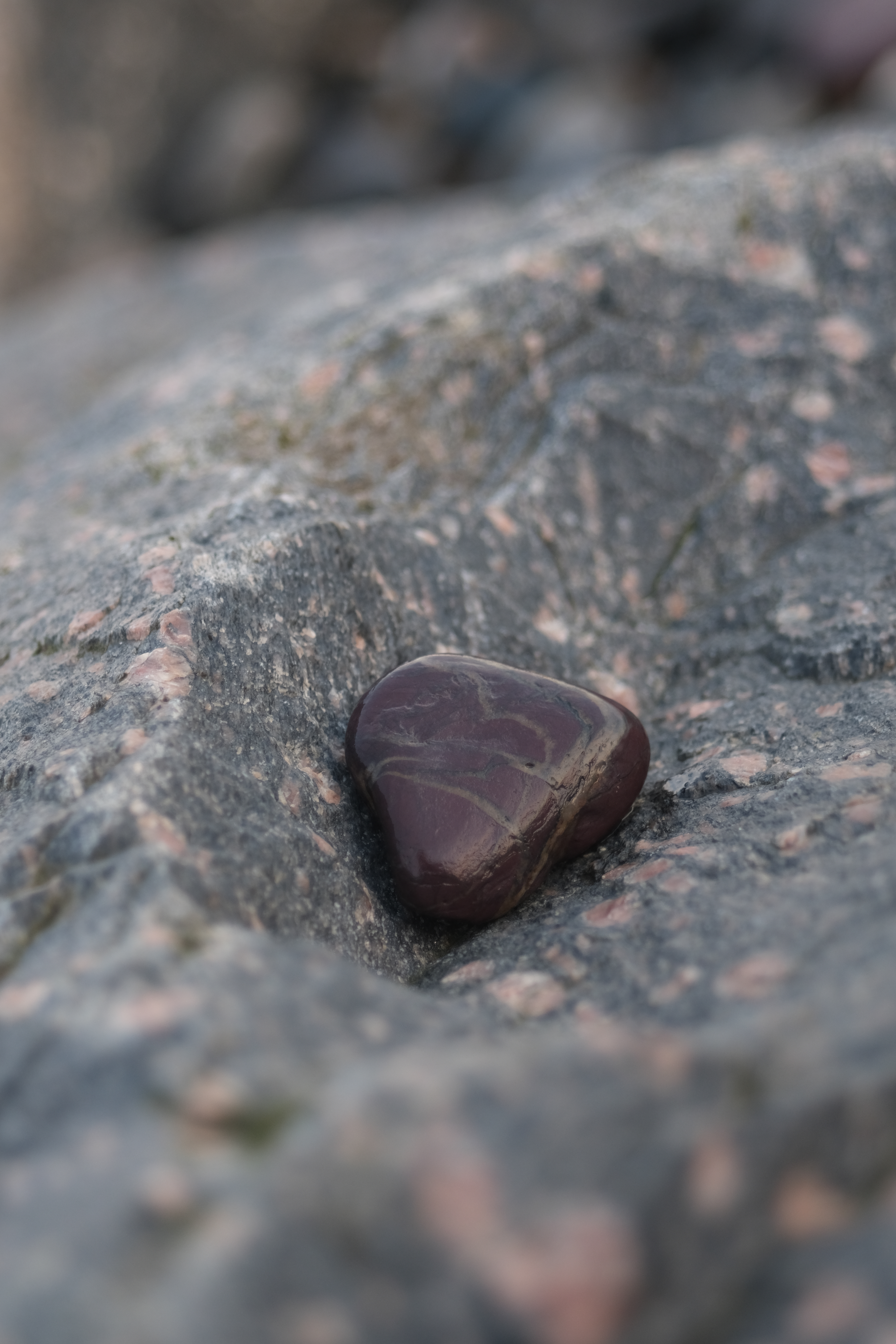
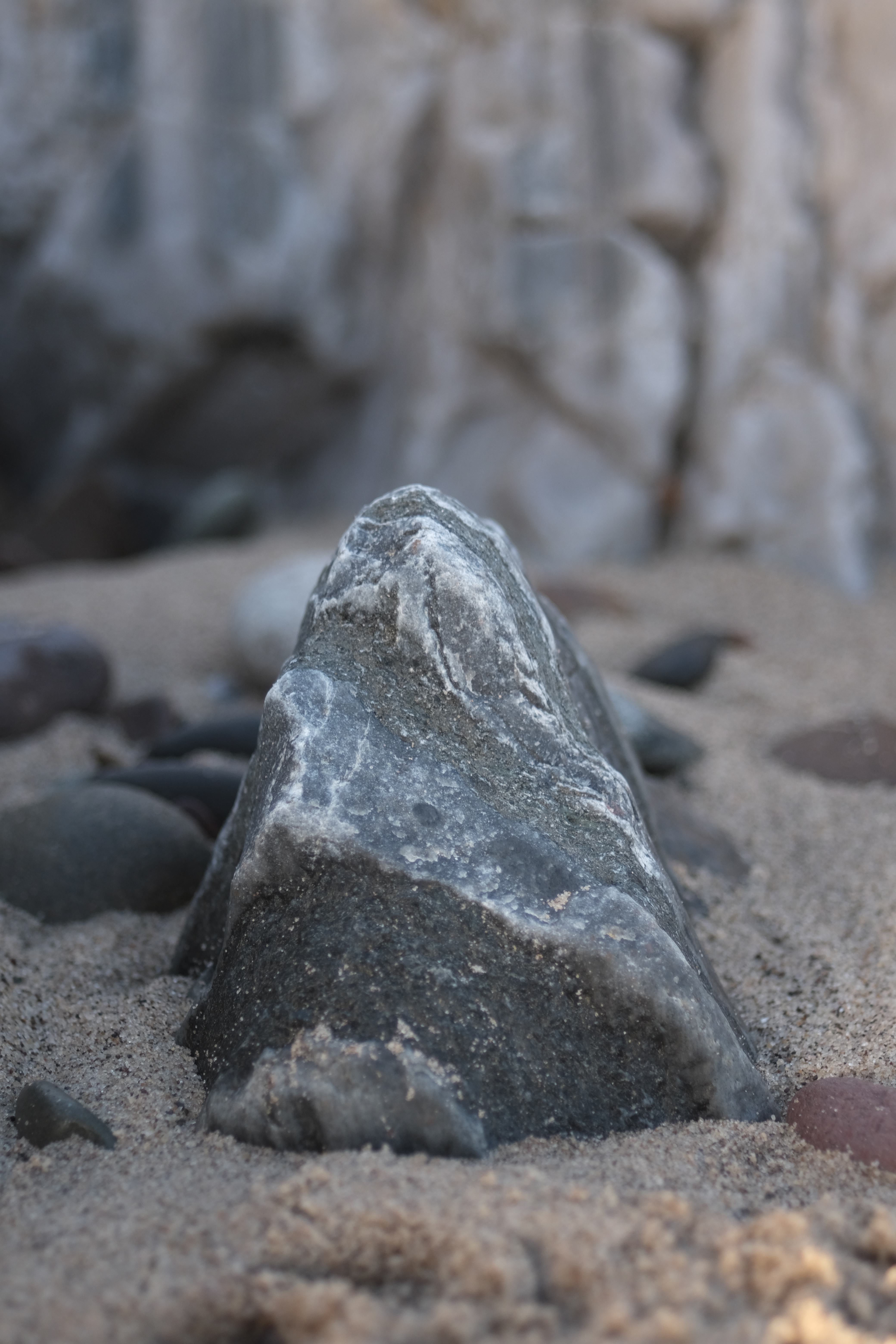

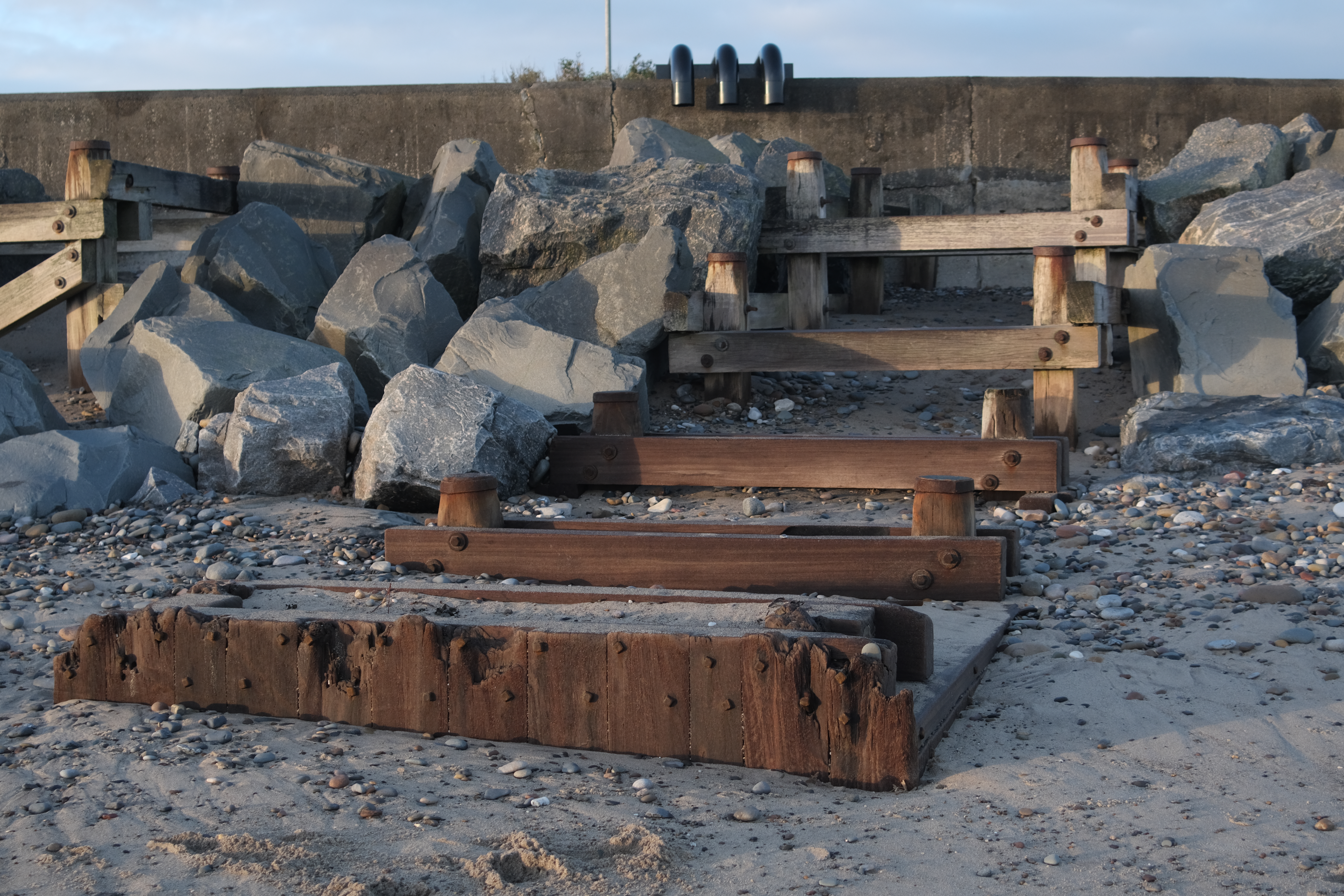
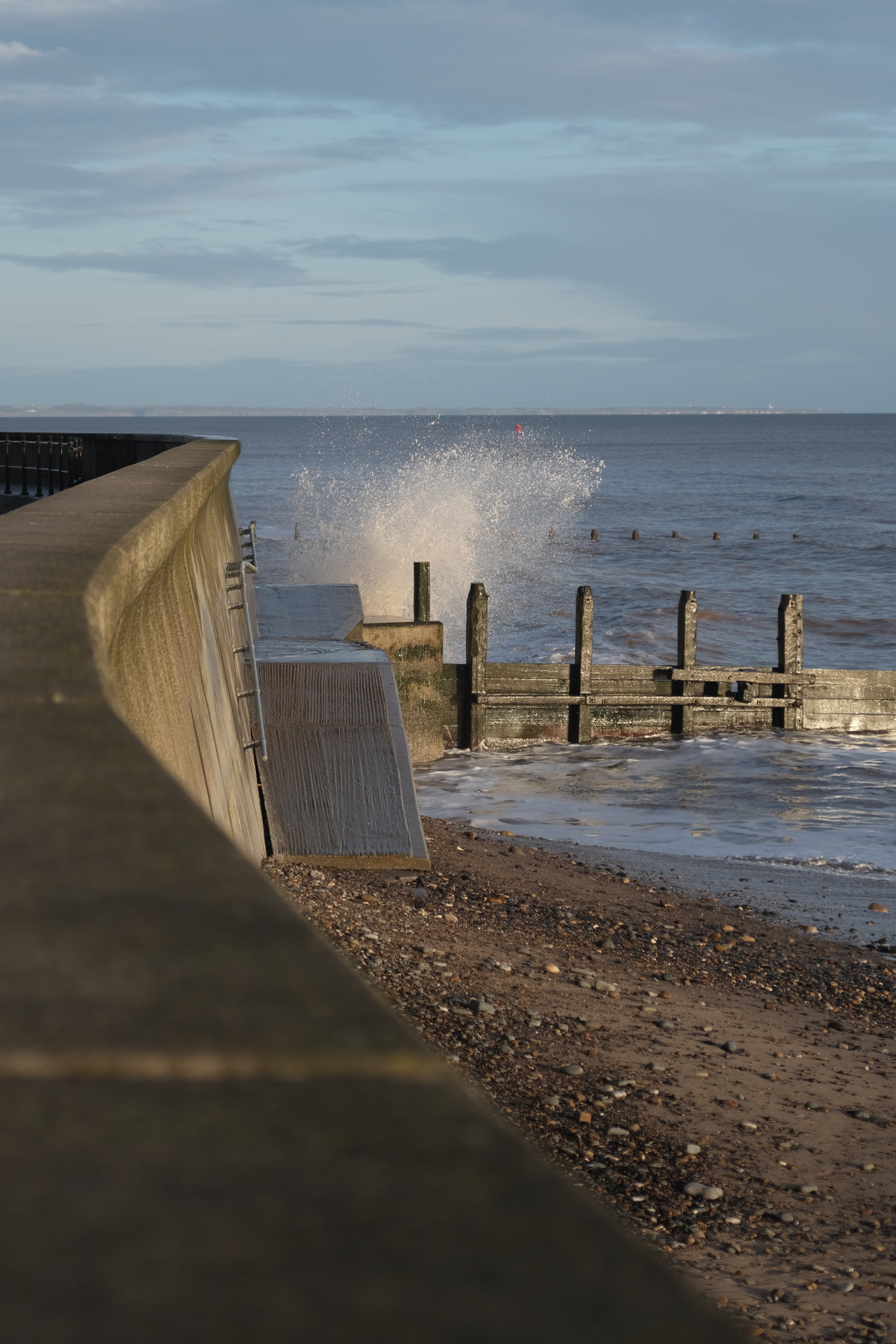
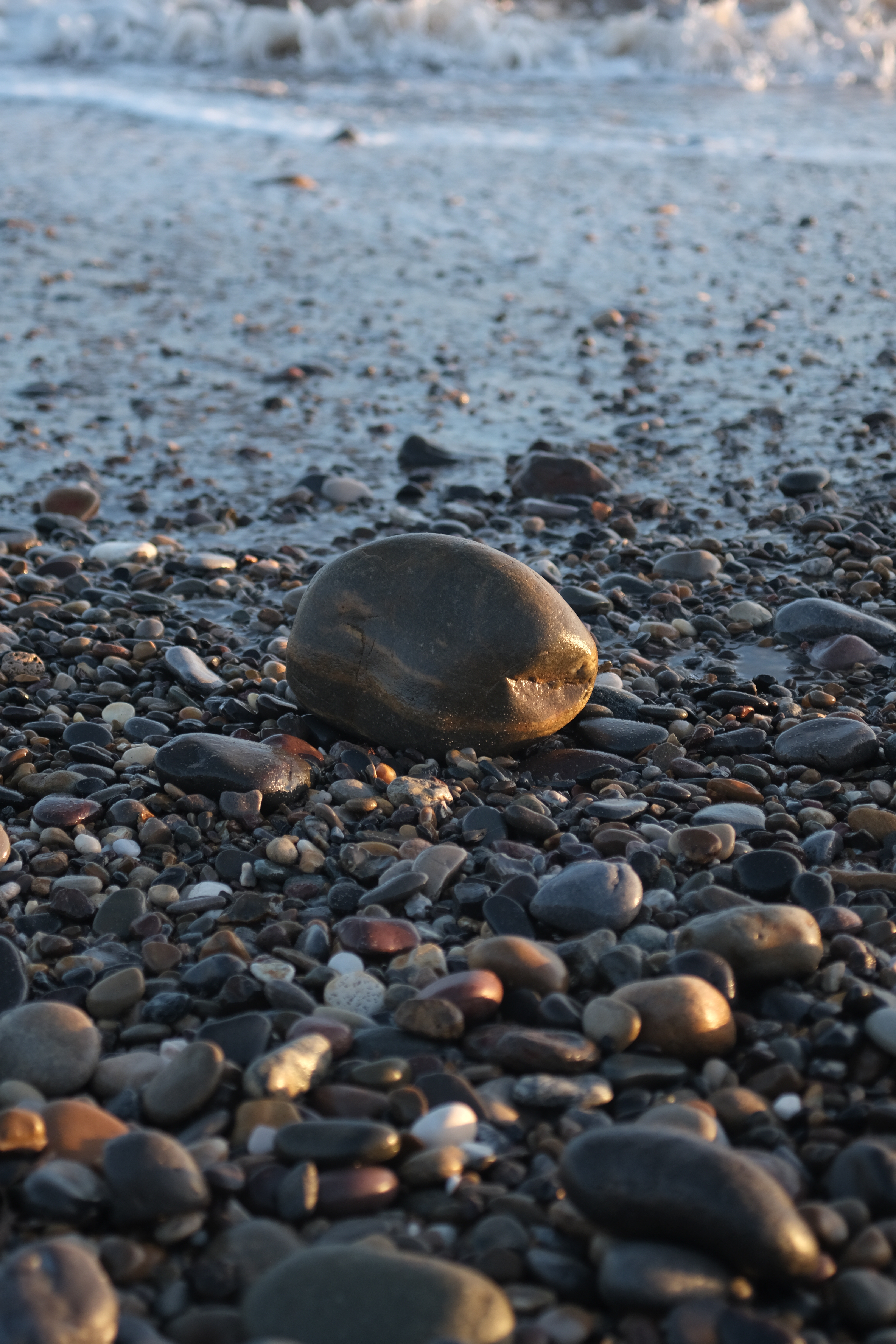
I was surprised at just how good the images look. It renders colours and contrast nicely and overall, the images look sharp and punchy when the light is good, but the lens tends to lose contrast when the light get’s a bit dull. Like other vintage lenses it loses contrast when shooting into the light, and there is flaring, though it seems to be well controlled.
I didn’t notice much in the way of chromatic aberrations, though I’m sure in the right situations, they will show up, as is the case with most vintage lenses. Thus far though, purple and green fringing look to be well controlled for a lens of this age.

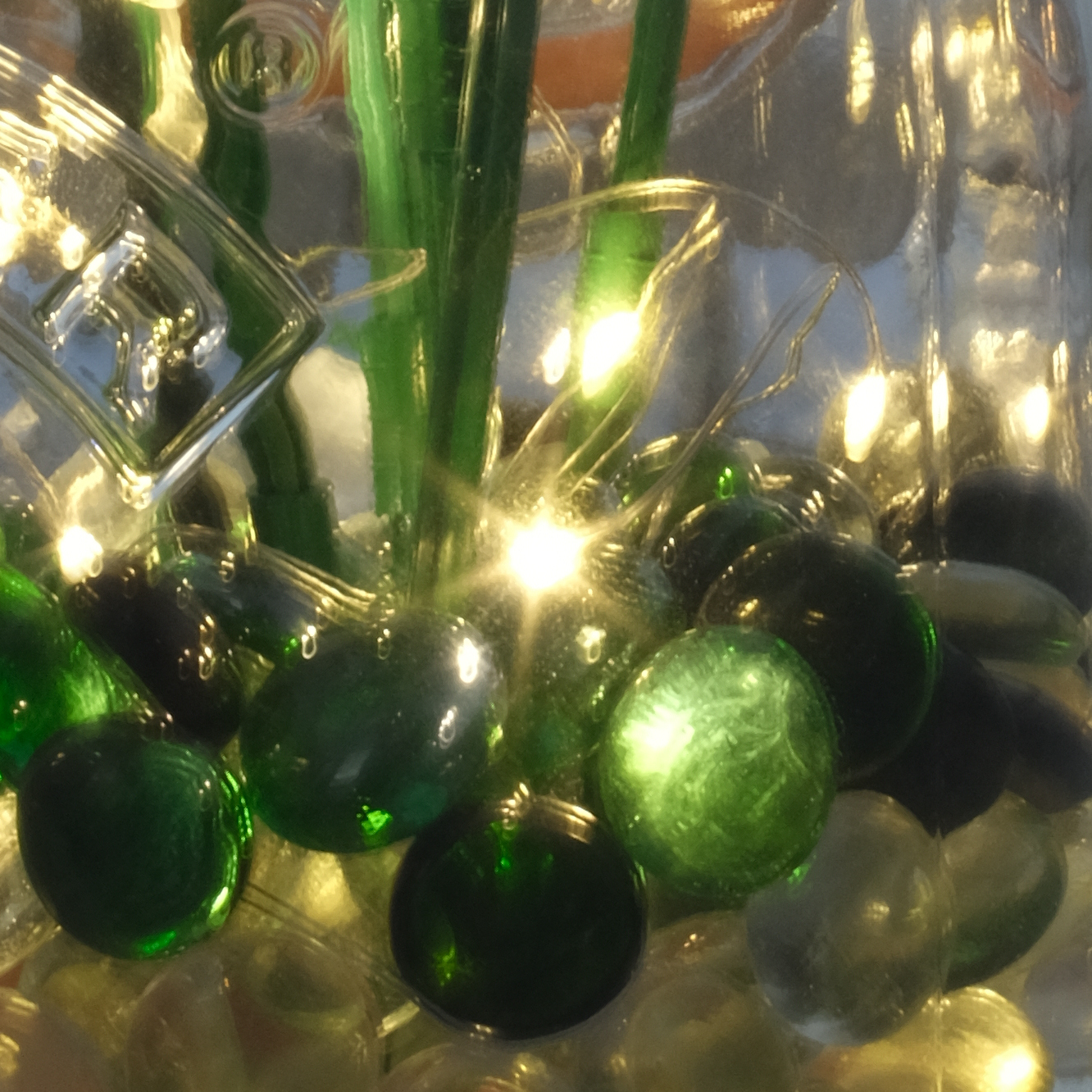
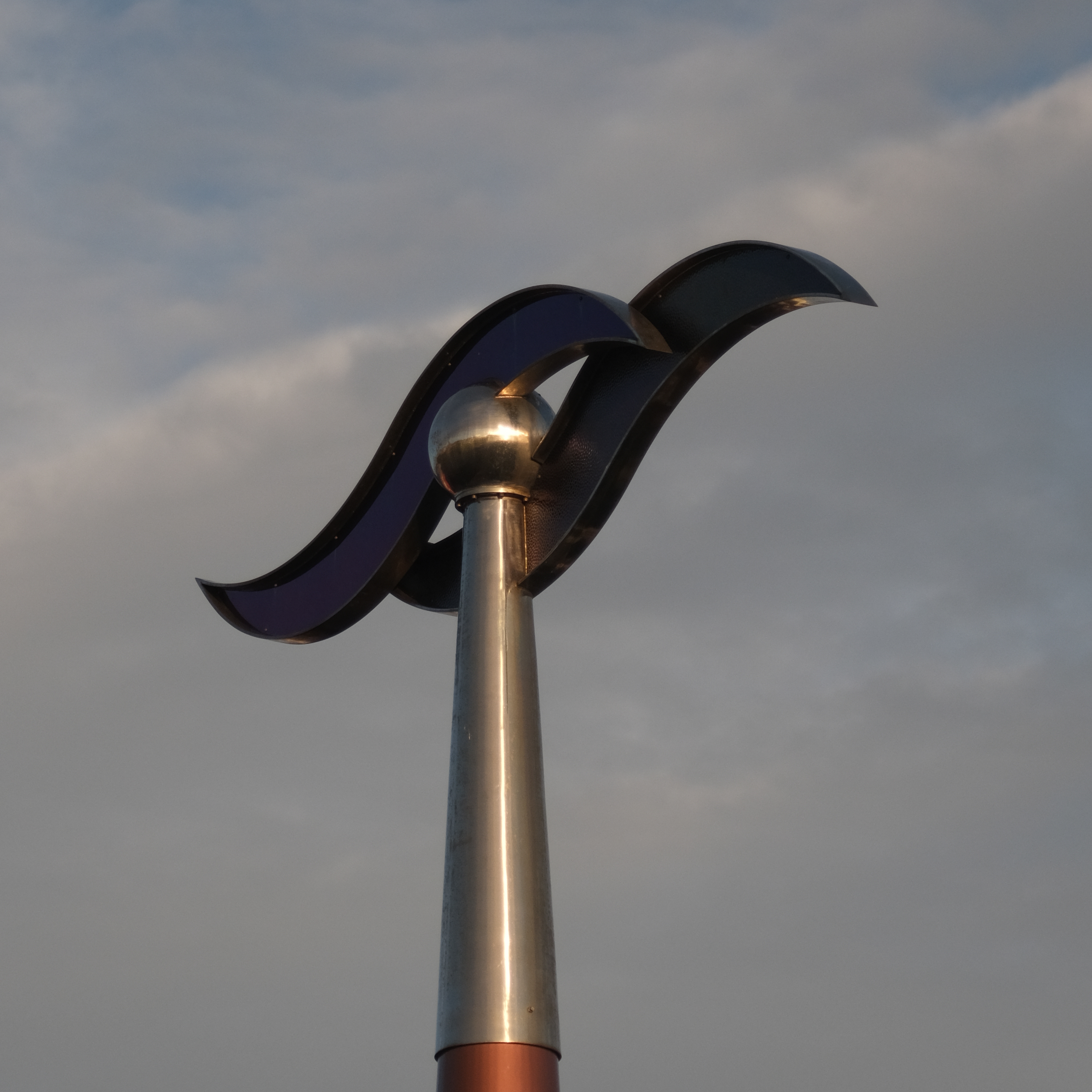
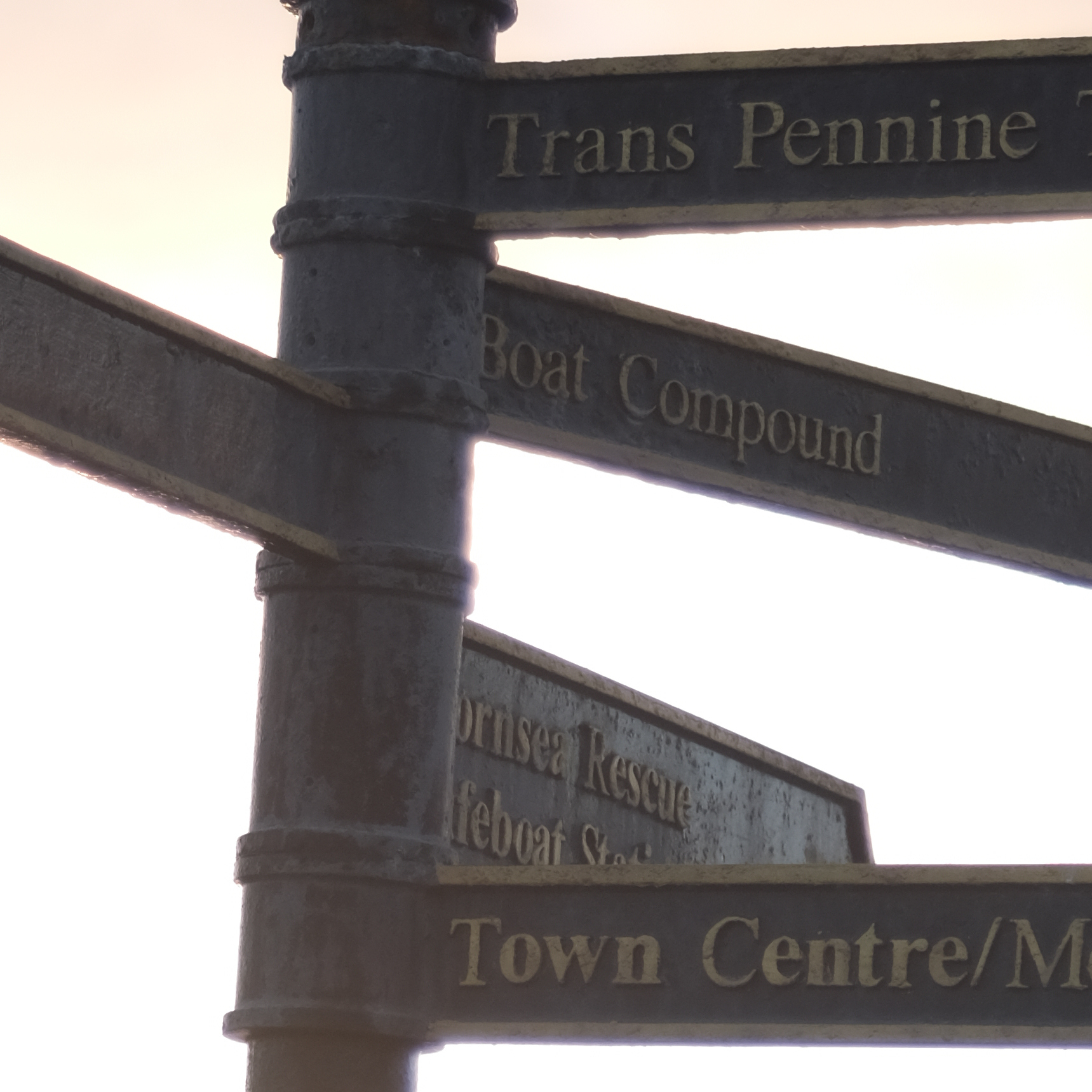
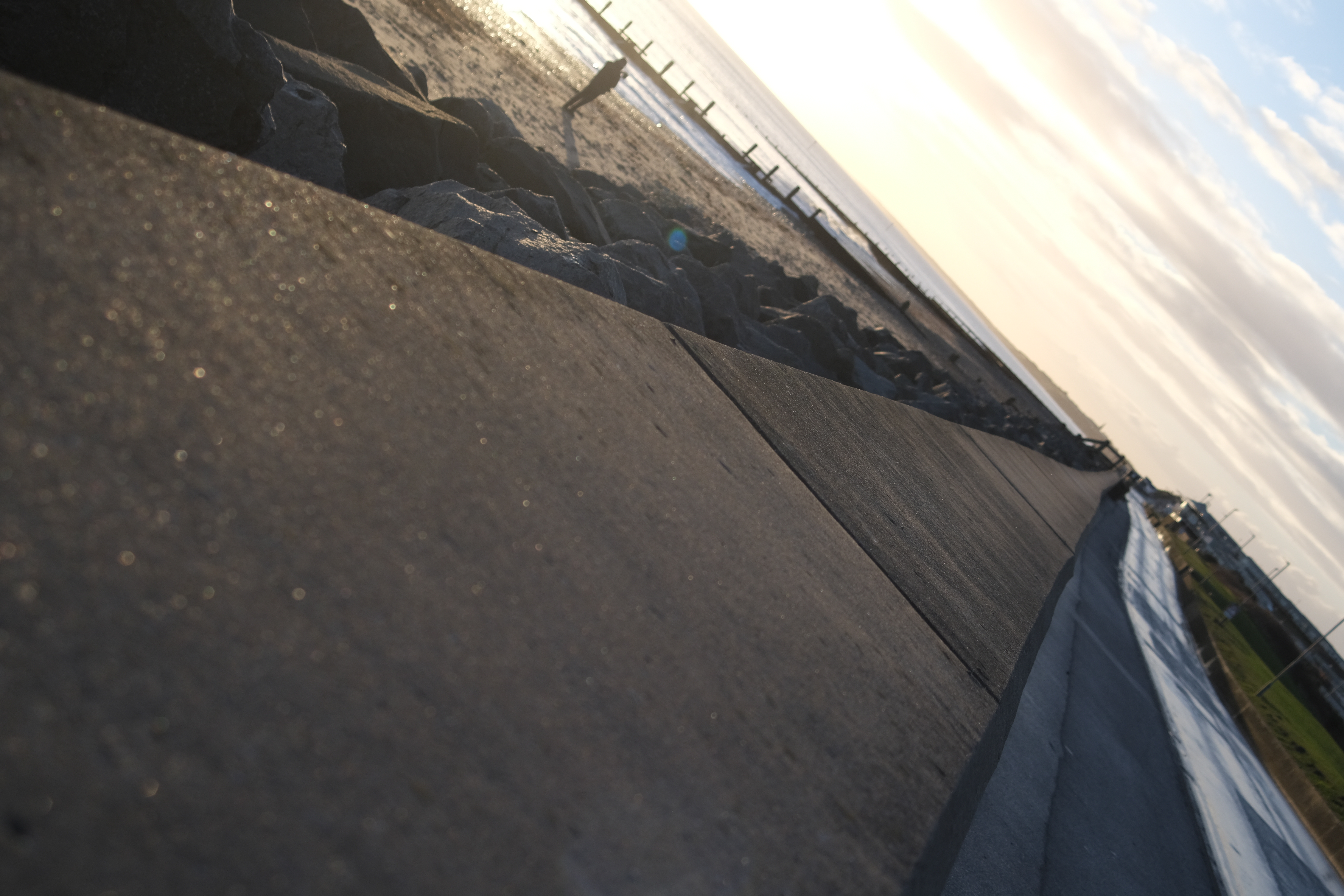
Bokeh is okay. You’re going to get soap bubble bokeh balls at F4 and sun stars when stopped down, but on the whole, the fall-off is gentle and the out of focus areas are rendered nicely.
So Is It Worth It?
Overall, the lens was surprising good for the price. Obviously you’ll find these near the £100 because some sellers never miss an opportunity to rip people off, but you can find it under the £50 mark. So is this cheap little lens worth it? It’s not going to replicate the image quality, or bokeh, of fast primes like a 50mm f1.4, but I was really taken aback with how good the images looked. Considering you can get this for half the price of the nFD 50mm f1.4, (and let’s not even talk about how much you’d pay for a good condition 35mm), it’s a good value option if you want to start playing with vintage glass on a mirrorless camera.

 WeavingLight