Naneu Pro Lima Review

Before I bought a Tamrac Evolution, I looked at shoulder bags. I have always considered Lowepro’s Reporter series of bags to be the benchmark for shoulder bags, but I wanted something slimmer. I also wanted something that zipped shut, so most messenger style bags like those by Vanguard, Tenba and Tamrac were out. Lowepro had released the Classified series and the only other real contenders were made by Naneu Pro and Think Tank Photo. by the time I was ready to make a choice, I opted for the Evolution, and have ditched shoulder bags for good. (I’m sure I will eat those words some day!) Then I saw a naneu Pro bag on ebay going dirt cheap, so I bought it just to see what it was like.

Naneu Pro Lima Bag

Naneu Pro’s Lima briefcase style bag is part of their Military Ops range of bags, which have a unique take on what a the camera bag. This bag is an early version of the bag, and looking at Naneu’s site, it looks like they’ve made a few improvements.

Features
The bag is nice to look at. It’s a not quite olive drab colour, which I quite like, but also comes in black. It has 8 pockets. It has webbing straps all over it, double strap carry handle in a velcro wrap, 8 pockets, side attachment loops for pouches (these take Lowepro Street and Field pouches) 8 pockets and removable inserts. Oh, and did I mention it has 8 pockets.

Pockets are the order of the day, it was one of the things I loved about the reporter bag. Not only did it have loads of pockets, it had loads of the right pockets – pockets that were actually useful. The Lima is the same. Two large zip up pockets, one on the inside and one on the outside are great for notebooks, papers, and things like that. There are two mesh pockets inside the bag as well that are great for stashing body caps, lens caps, remote release chords, gum, memory cards, etc.

The real genius pocket is a large stash pocket on the front of the bag which has a magnetic fold-over opening. This is such a genius idea I can’t believe more manufacturers don’t use it. Finally there are two small stash pockets for caps and hoods fixed by press studs and velcro (not the easiest to use) and a packet for papers on the back that can be unzipped at the bottom and allows the bag to be slid over luggage carry handles.

It also has a compass. And it works. Sometimes!

comfort
Here I had to smile. The bag comes with a nice, well padded shoulder strap that looks almost identical to lowepro’s comfort strap. It’s a copy, but not as good as the original. Still, it’s a better strap than you’ll get on most shoulder bags these days, so kudos to Naneu for not skimping on that part.

The bag is a soft bag and molds nicely to you, which I really like. I found it comfy, but then I didn’t have a lot of gear in it when testing it out and I didn’t have it on for the whole day.

size
It’s a smallish bag, 9″ high, 14″ across and 5″ deep on the outside and the camera compartment measures in at 7.5″ high, 11.75″ across and 3.75″ deep. It won’t take any pro DSLR’s or DSLR’s with a battery pack and to be honest, it is a tight squeeze. I managed to get a camera body with standard lens, 35mm f1.8 and another lens. That’s about all I managed to fit in it. I could have replaced the second lens with a flashgun and batteries, but for the size of the bag, I would have liked to have squeezed a bit more in it.

The problem I found was the way the inserts were arranged. There are two inserts, one large enough for the camera and one for extras. The second insert is big enough for a single lens though. You won’t get much more in it. (It looks like Naneu have changed the inserts to a single one, so there’ll be a little bit more room for gear.)

ease of use
The main problem I found with the bag was that once my gear was in, it felt like a tight squeeze all around. It was difficult getting into the extra pockets and getting at my gear wasn’t easy, and this was a trend I found in using the bag. The main compartment has a single zip – easy enough, but to get at the zip, you need to undo a buckle, undo the velcro wrap to split the handle and then unzip, then undo the pull-strings on the inserts and then pull the camera out. Shoulder bags are supposed to be easy and quick to work out of. This one isn’t. Even with the handles split and buckles undone and everything open, it was still a struggle to get at the camera.

The thing I really began to hate about the bag though were the inserts. Made from a bright orange fuzzy felt material, the dividers don’t stick and put a camera body on them and they crumble. They were horrible and next to useless. Hopefully this is something Naneu have changes.

In Conclusion
The Lima is a nice looking bag. It’s different. It doesn’t look like a camera bag. It’s tough and has lots of useful pockets. Those are the positives of the bag. in use, the bag sucks, and sadly, it doesn’t matter how good it looks, or how many pockets there are, if it is awkward to use, then it’s just no good as a camera bag. (With the inserts removed though, it does make a pretty good man-bag!)

To be honest, if you have a choice, spend the extra and buy the Lowepro Classified 160AW. I’ve played with the Classified 160 and really liked it. You get so much more bag for a little bit more money.

pictures
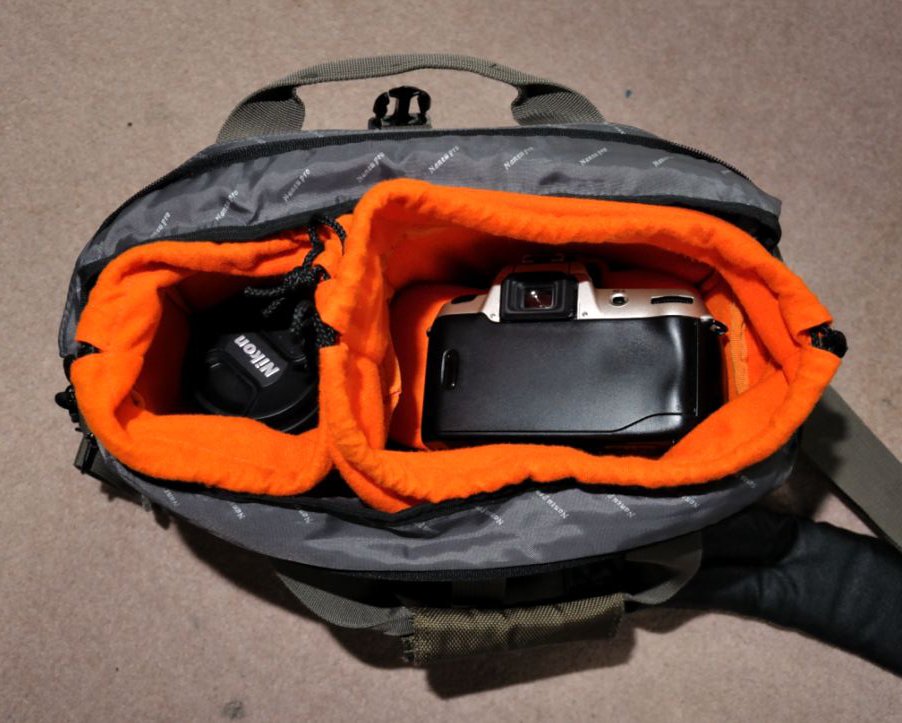
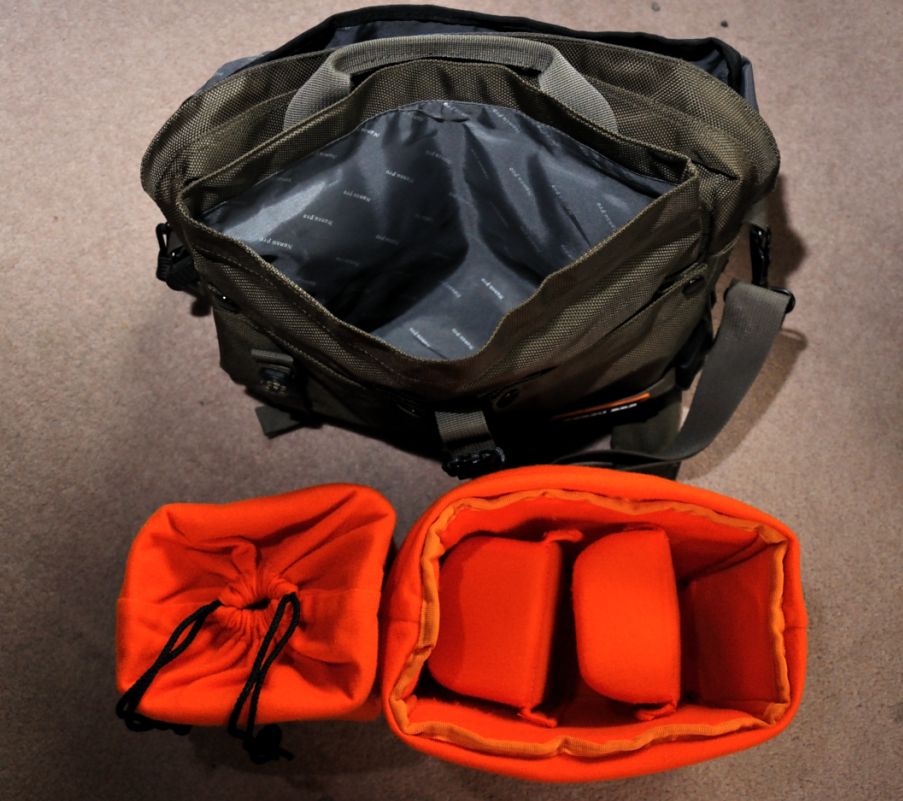
Lima Bag with gear inside
With gear inside. The main insert is a good size, but the second insert seems like an afterthought. Notice how the camera is sinking on the left side.

Lima bag Inner pockets
With the fuzzy felt inserts removed and the magnet closing pocket opened up.
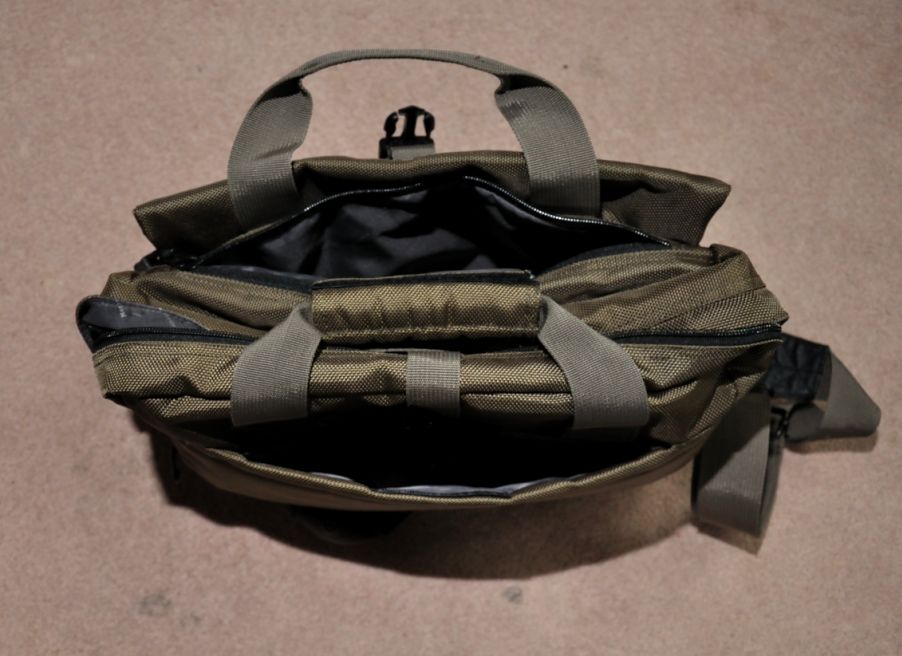
Lima bag outer pockets
With the front zipper pocket and the rear pocket open. Naneu really does like pockets!!

New Arrival

A review of the Nikon F60

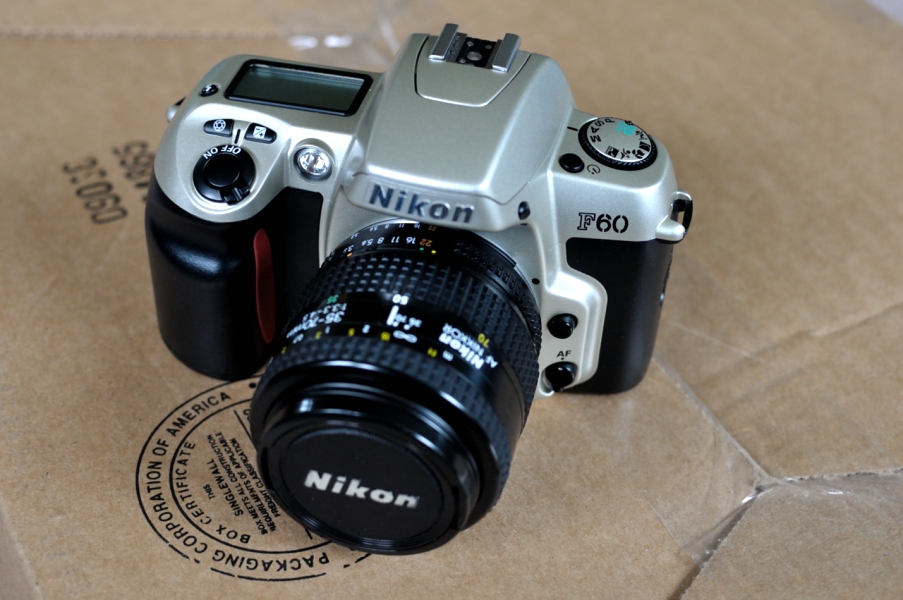
After retiring the F301 it was time to replace it, and that replacement arrived the other day. That replacement came in the form of a new old stock F60 in champagne silver. At the end of the day, I just wanted an auto focus camera that was simple and cheap and this fit the bill. It even came with a gold box. (I do have a thing for those gold boxes 😉 ) I really liked the look of it, and at the end of the day, Ken Rockwell said not to buy one, so that sealed the deal.

When compared to practically every camera that followed it, the F60 lags behind. It has a single auto focus point and the auto focus is slow and loud. The film wind is slow. The matrix metering switches to centre weighted whenever you press the AE lock button and there’s no depth of field preview. Let’s face it, the F65, F75 and f55 are probably all better cameras in the light of the F60’s many flaws, and though the F75 and F65 are selling for a bit of a premium really, the F55 sells for about the same price.

Nikon F60

So why did I buy it?

Well, let me make some remarks in defense of the little beastie. Firstly, it has a metal chassis and a metal lens mount, so the build quality is better than the other camera’s I’ve mentioned. I liked the F75, but if I was going to spend that much, I would have bought an F90X or an F80, and though I like the look of the F55, I liked the F60 even more. I also wanted simplicity. I wanted a single focus point and since I was only going to partner it with a 35-70 AF lens, I figured the auto focus wasn’t going to struggle too much. Lastly, I realised no one was buying these fellas. Even the F401’s which, by all accounts, are truly awful cameras, were selling. The F60 was like the scrawny dog in the pet shop that nobody gives a second look at. even scrawny dogs deserve happy endings, right?

I have my favourite cameras. Canon’s EOS 50E, which was a delight to use. Nikon’s F100, which was a superb, bullet proof camera. My favourite though, was a noisy, simple, Pentax MZ-5N; in my opinion, probably the finest camera I’ve ever used. However, None of those cameras have made me smile as much as the F60. None of them beg to be picked up as much as the F60. It really is a nice, simple, camera.

For all the criticism leveled at the poor auto focus. It isn’t bad. It’s certainly not the loudest auto focus around; Pentax cameras made a lot more noise. Yes, the film wind is slow and loud, but the noise is musical and it’s as if the camera isn’t winding the film, but winding the world around the itself. I like it, and since I’m not planning on using it for sports, the motor speed is just fine.

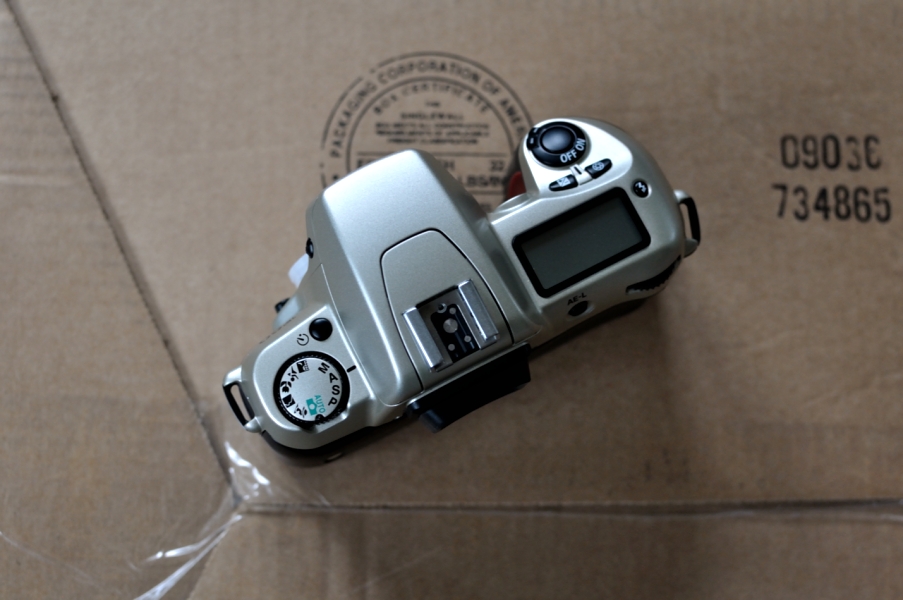
Nikon F60 from the top

The camera is quite easy to use, even in manual. The command dial adjusts the shutter and a combination of a button by the shutter and command dial adjusts the aperture. Not that difficult, despite what some people would have you believe. There’s not many buttons on the camera and to be honest, I didn’t want too many. The main dial is simple and pretty much what you’ll find on most Nikon consumer DSLRs. It has the picture modes as well as PASM. Nothing complicated.

It isn’t without it’s faults. Some will see it as too simple a camera, which it is, and was addressed by the F65, F75 and even the F55. Yes there’s no depth of Field button, and though I don’t use it often, it is nice to have it sometimes. There are two flaws that do present problems though.

First, the Auto-exposure lock button sends the metering from Matrix into centre weighted when pressed. I really don’t understand the thinking behind that – perhaps the Nikon engineers were having a really bad day! You really do have to think about your metering if you use it, or take a reading and switch to manual, which is how I got around it. It slows you down, and that has been fine so far, but I’d hate to miss a shot because of that.

Second, there is no auto-focus lock. AF lock isn’t something I need usually. With focus points scattered all over the viewfinder these days, you just pick your spot and take the shot. With only one focus point though, I found I really needed to lock the focus and then re-compose. Only trouble is, when you recompose, the focus locks onto something else and you have to start over. I found that getting the focus and then switching to manual was the best way round it. Again, it slows me down, which is fine sometimes, but not always.

So it’s not a perfect camera. What is? What is important though is having a camera you enjoy using. One you want to have in your hands. One that makes photography a joy and not a chore. The F60 has certainly been all those things for me. Can’t ask for more than that. (Well, I can, but I won’t get it!)

The first roll of film has gone through it and been sent for processing. I can’t wait to see what the wee beastie has managed to do. By this time next week, I should know.

Neewer Wide and Telephoto Lens Review

Rule number 3: Photography is an expensive hobby
Rule number 4: but it doesn’t have to be.

Since digital SLR’s adopted the APS-C sized sensor, many film photographers converting to digital suddenly lost their wide angles. Like many, I liked my standard zoom to stretch to 24mm. Since manufacturers are a bit slow to catch up, the only other option is to buy an ultra wide angle zoom, but since they are rather expensive, (anyone else notice that lenses for a smaller sensor aren’t that smaller and are actually more expensive than they used to be for their 35mm equivalent?) I looked at a much cheaper option – Wide angle attachments.

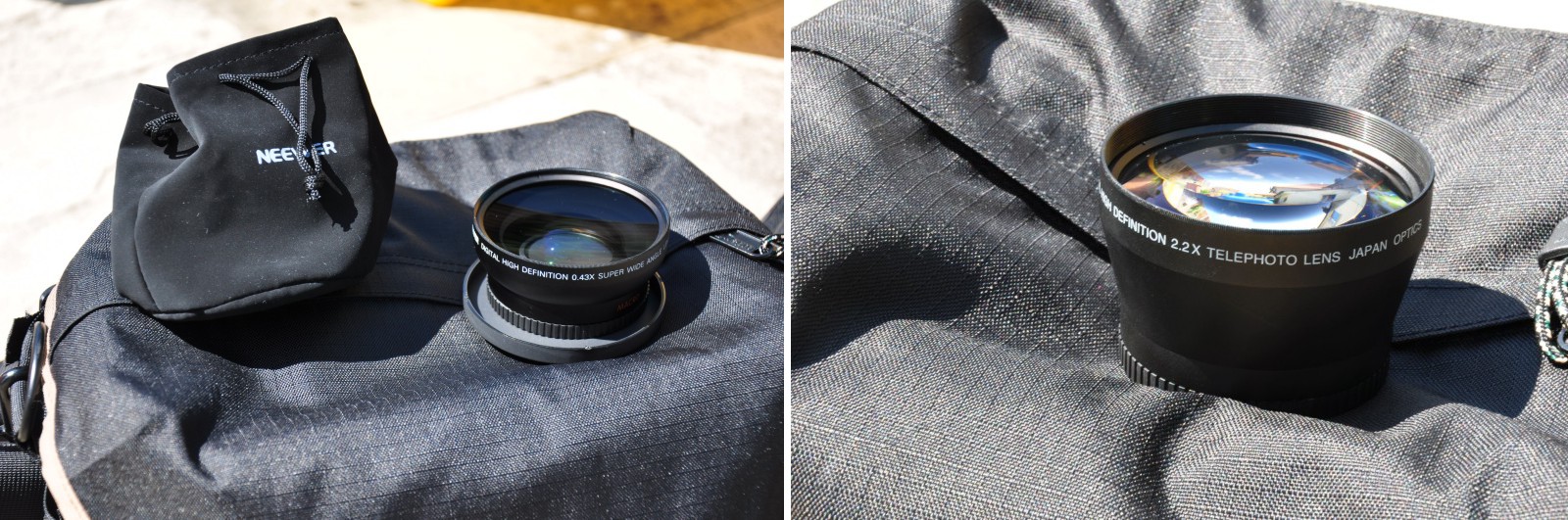
Neewer 0.43x Wide Angle lens and 2.2x Telephoto Lens

The ones I went for were a package of wide angle and telephoto lens attachments in a 67mm thread. (Let’s face it. they’re really just filters that screw onto the front of a standard lens!) They’re available all over ebay and Amazon in a variety of filter sizes and prices.

First Impressions

The Neewer lenses are a pretty standard set and I imagine the same lenses will be offered under a number of different brands. They are boxed in a plain white box and each have a soft cloth case and front and rear caps, so not bad. They do weigh quite a bit and are fairly substantial.

Wide Angle Lens

Let’s start with the wide angle attachment. This is actually made up of two lenses, a wide angle one and a macro one. The macro lens can be used on its own, but the wide angle lens will only work in partnership with the macro lens.

This is where the old adage of ‘you get what you pay for’ comes in to play.

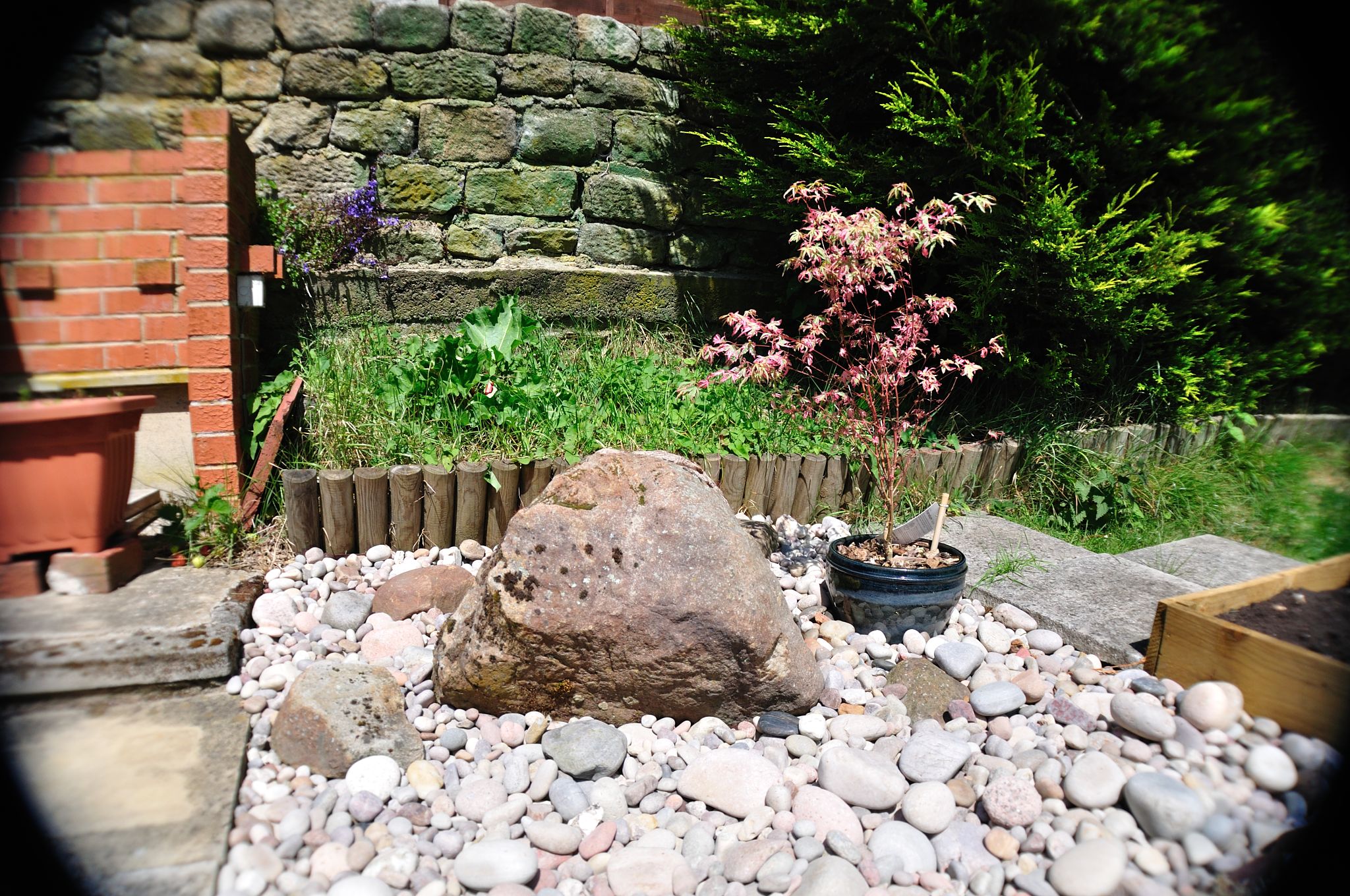
Wide Angle attachment on Nikon 18-105 at 18mm

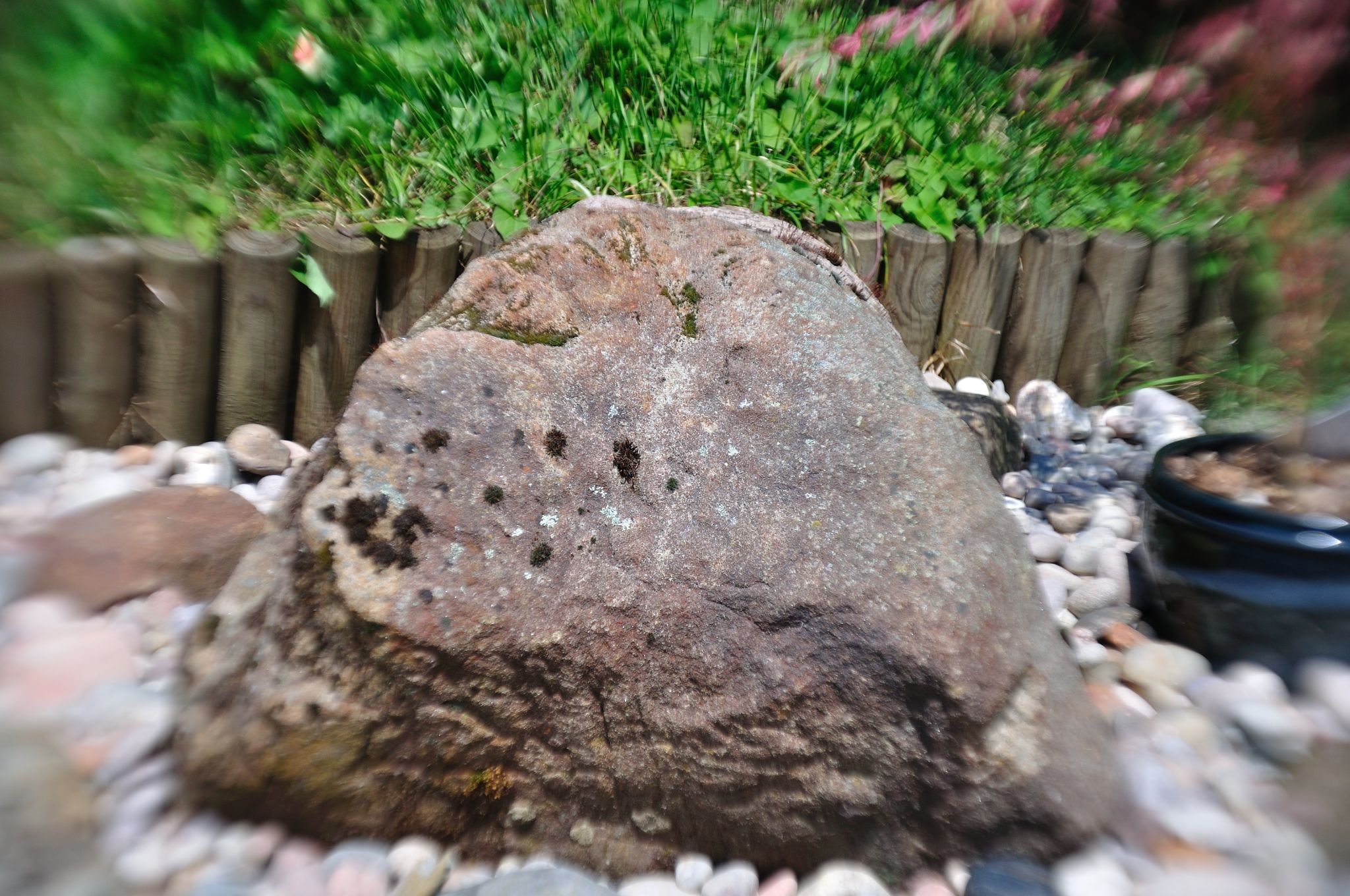
 As you can see, there’s some serious vignetting and a real lack of sharpness at the edges. By the time you crop these out, you have less than what you would have had at 18mm. If you zoom in to remove the vignetting, you get to about 50mm and you end up with a strange zoom style motion blur that I really don’t find that pleasant.

Wide angle attachment at 50mm

 I’ll be honest, If I wanted a blurry effect, I’d use a lensbaby.

Macro Lens

OK. So the wide angle lens is a bust. What about the macro lens?

I’ll admit that I’ve never really done macro well, and I’ve only one other macro lens to compare it too, but the other lens (a Sigma Macro filter) was sharper.

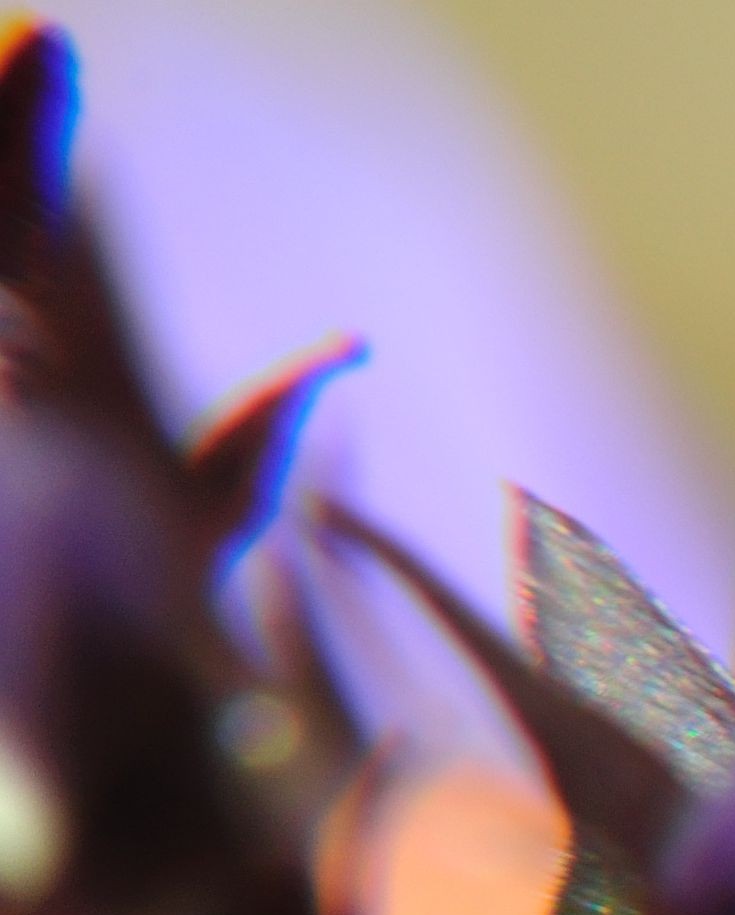
Using the Macro Lens

 That’s not a bad result, but look at the full size crops below and you’ll see some nasty colour fringing at the edges as well as loss of sharpness. it does pick out some remarkable detail in the centre though.

Centre crop, full size


corner crop full size

 I’d say the macro lens was an average one, and you’re likely to find much better close up filters for not much more.

Telephoto Lens

I didn’t really want the telephoto lens, but it came free for the same price other’s were selling the wide angle lens alone for. This really is a hefty attachment though and I wouldn’t be keen to have this on my lens on a regular basis.

telephoto attachment at 105mm

 Actually, the results weren’t too bad. A little edge softness compared to 105mm without the attachment, but not at all bad.

Conclusion

I guess I could have done this review in a couple of choice words, but that’s not exactly helpful. So, does rule number 4 come into play here? Can you buy these and save some money, or is it worth spending (much) more? In this case, I’d have to blunt and conclude that these lenses suck. Save up your money and buy an ultra-wide angle lens. There are Sigma and Tokina lenses available for a couple of hundred quid and if you’re real lucky, you’ll find a second hand bargain. Just don’t waste your money on these.