Canon nFD 35-70 f4 Review

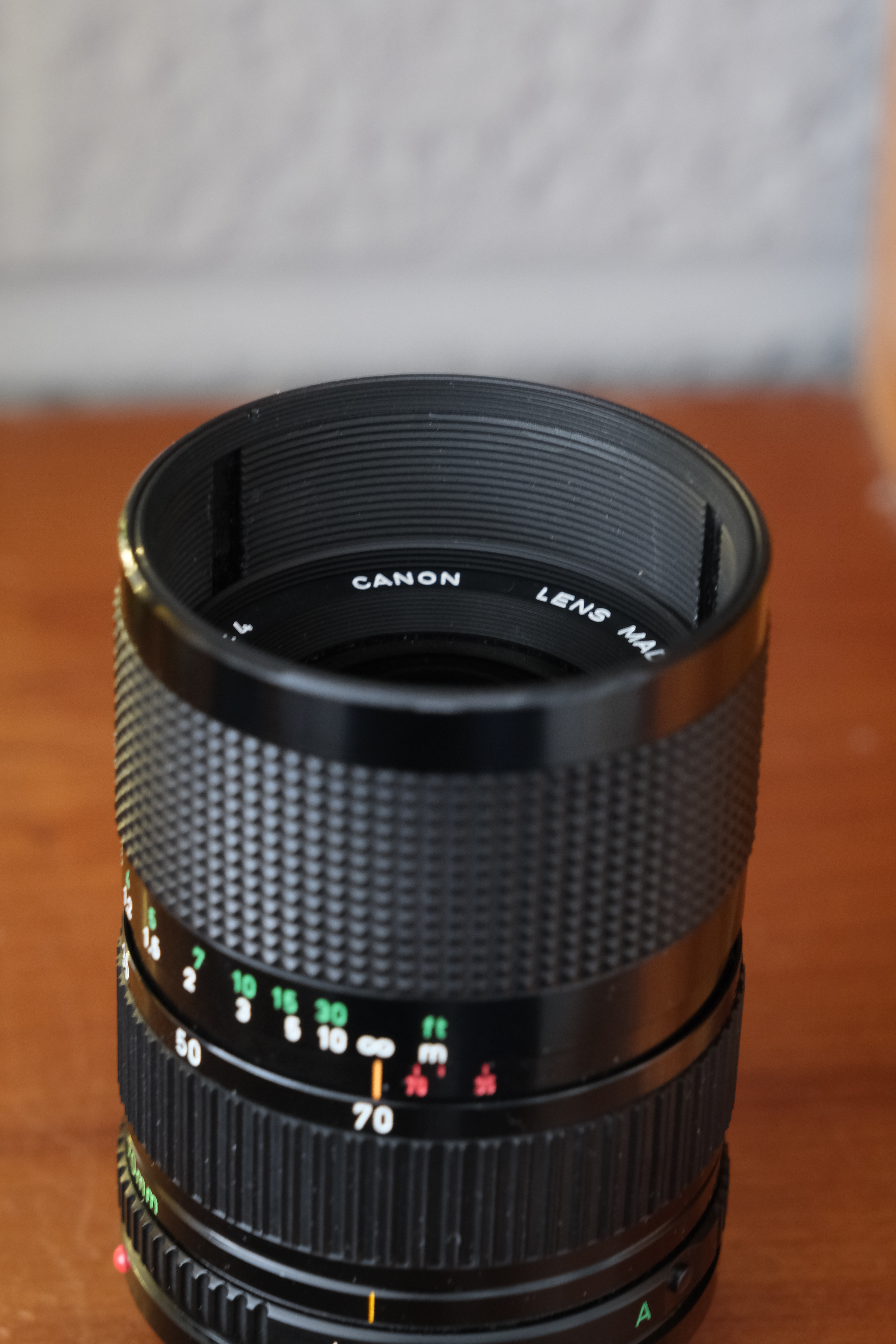
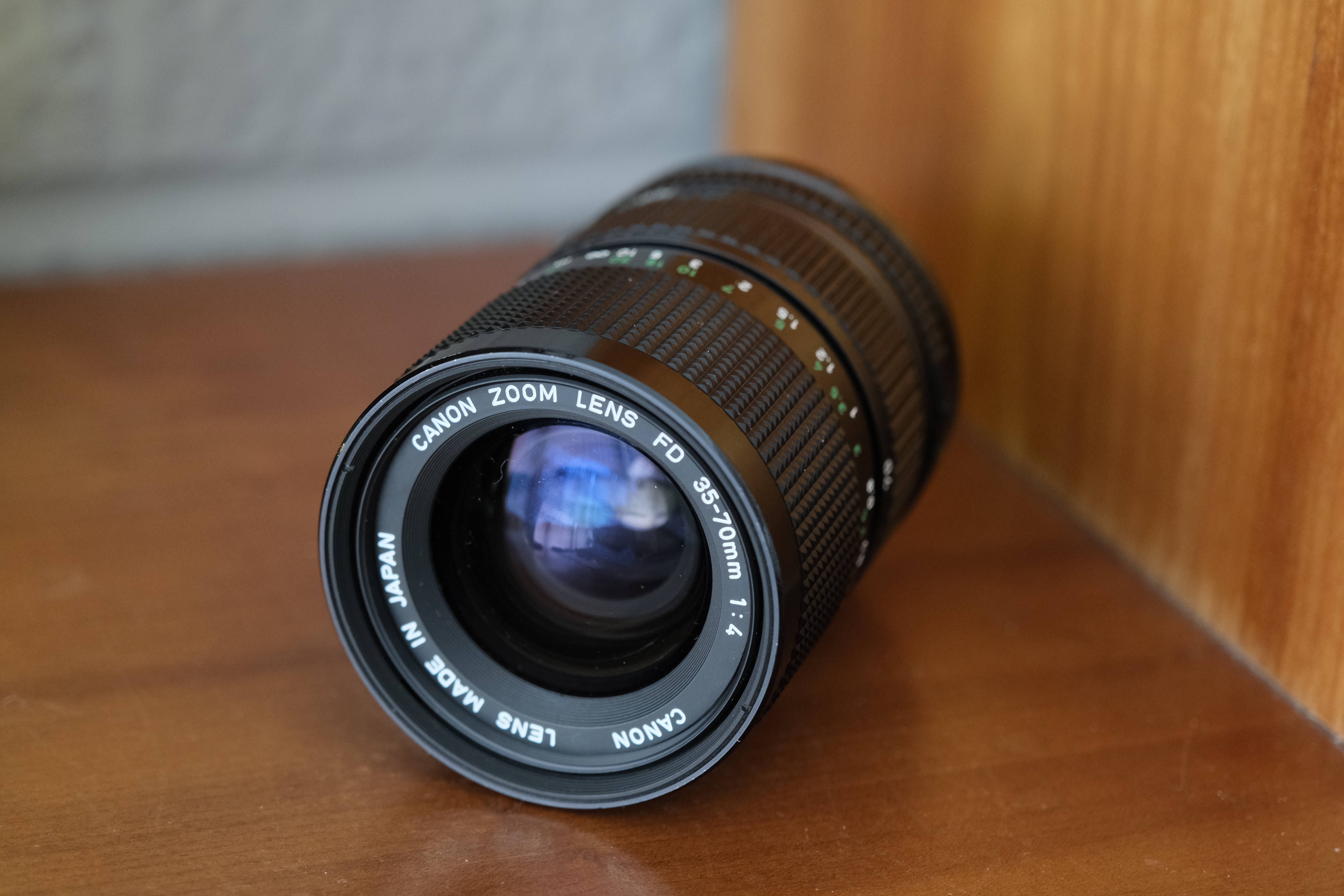
The Canon nFD 35-70mm f4 lens

Vintage lenses are having a bit of a renaissance thanks to mirrorless cameras. Famous lenses like the Takumars and even old Nikon pre-Ai primes, are enjoying a resurgence in popularity, but no-one cares about vintage manual focus zooms. Right?

The Canon nFD 35-70 f4 is a cheap, unloved, forgotten zoom lens that can still be bought for around £50, but is it any good?

The specs

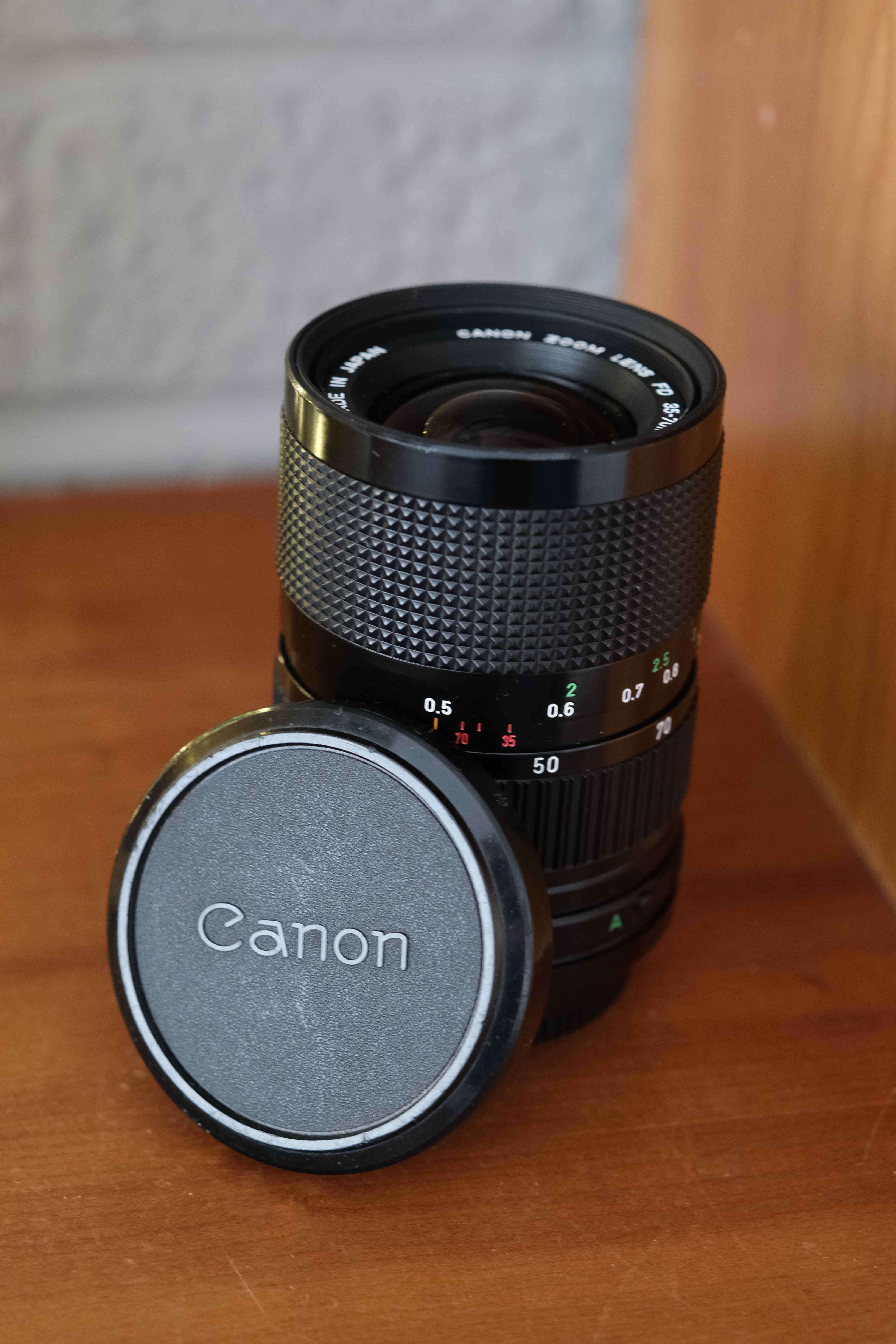
Canon’s 35-70mm f4 zoom is an FD mount lens of the nFD, or new FD, type, which just means it lost the fiddly breach lock mount in favour of a bayonet style mount. It was first sold in 1979. It has 8 elements in 8 groups and 6 aperture blades. Aperture ranges from f4 to f22 with half stops. Lens diameter of 63mm and an overall length of 84.5mm and weighs in at 315gm.

The filter thread is 52mm, but good luck getting a filter on and off, as the lens zooms in and out within an external tube which serves as a built in lens hood, which is probably why it comes with a push on lens cap.

The lens has a minimum focusing distance of 50cm and the focus throw from minimum distance to infinity is just under 180 degrees.
Build Quality and Feel

The build is plastic and feels a bit cheap. I would say it feels like most cheap zoom lenses of the eighties. The focus and zoom rings are light and not well damped, which doesn’t help the cheap feel, but the aperture ring has a firm feel with nice clicks with each half stop (much better than the aperture rings on their SSC primes which feel a bit flimsy). Safe to say, this isn’t as rugged as say a Nikon AI lens.

In its favour is the size and weight. This is a light and compact zoom lens, and given it has a constant F4 aperture, that’s not bad, even in the age of manual focus lenses. It gets a bit long when mounted on an adapter for a mirrorless camera, but its still a light and compact lens and nicely balanced on the Fujifilm X-T3.

In Use

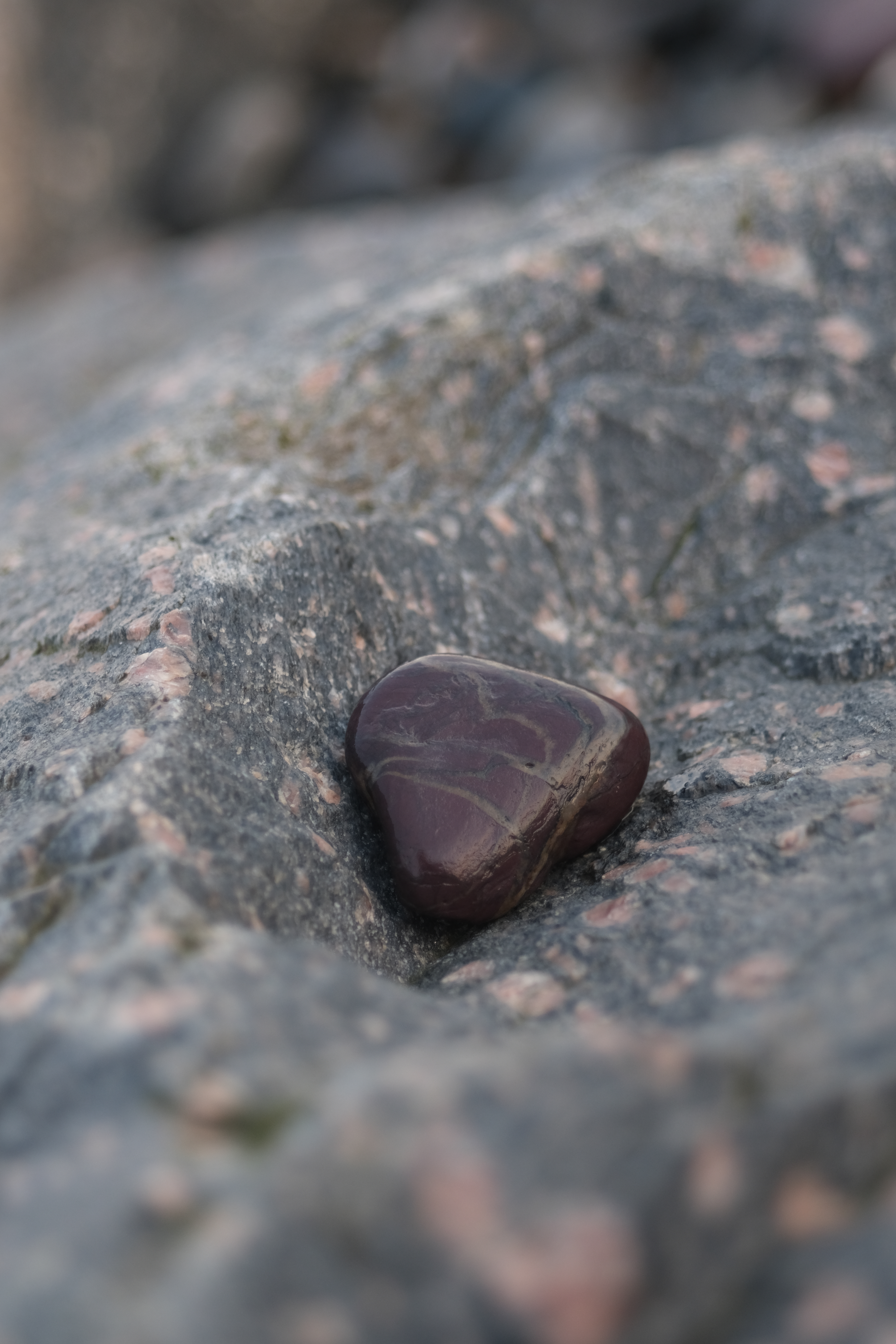
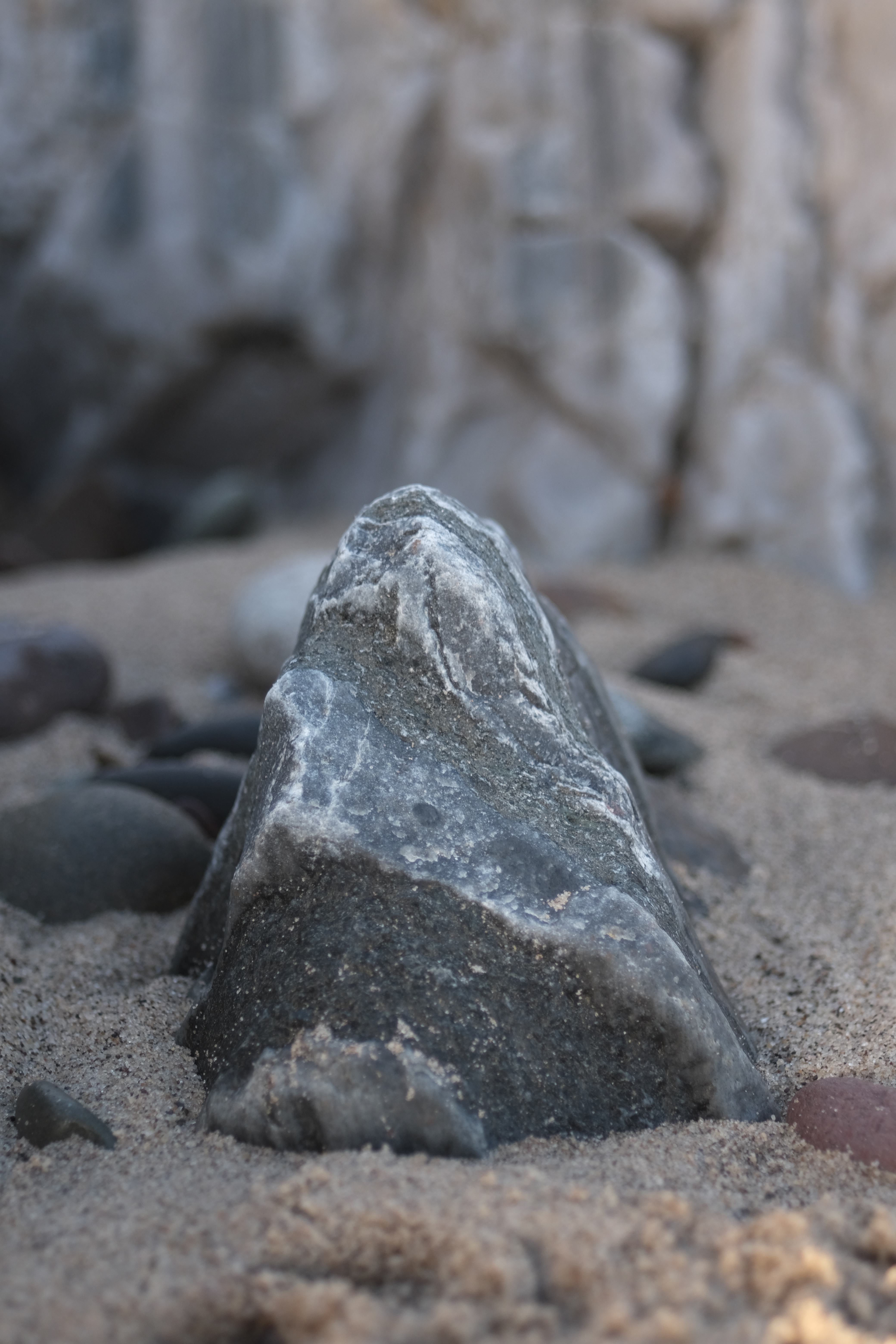
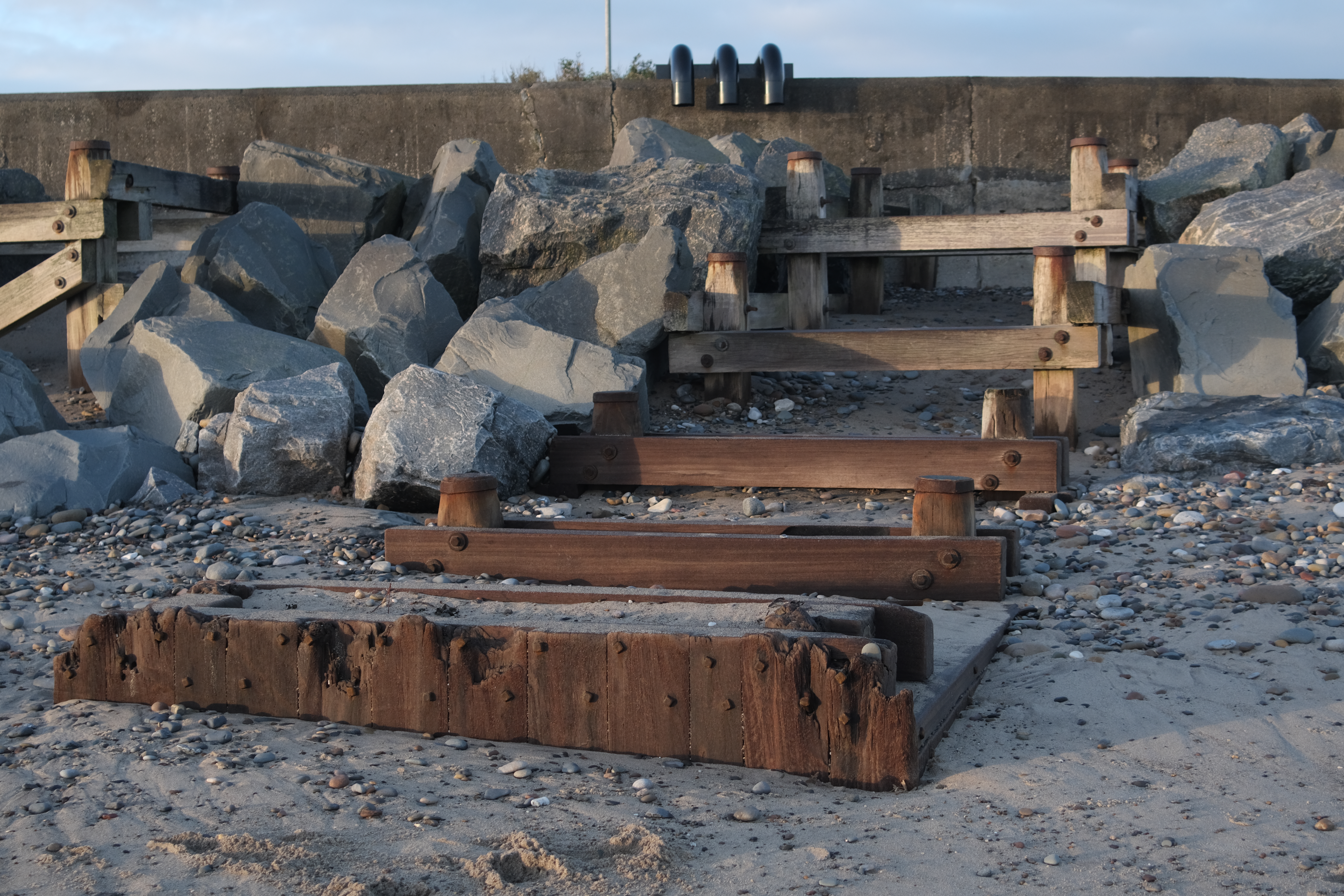
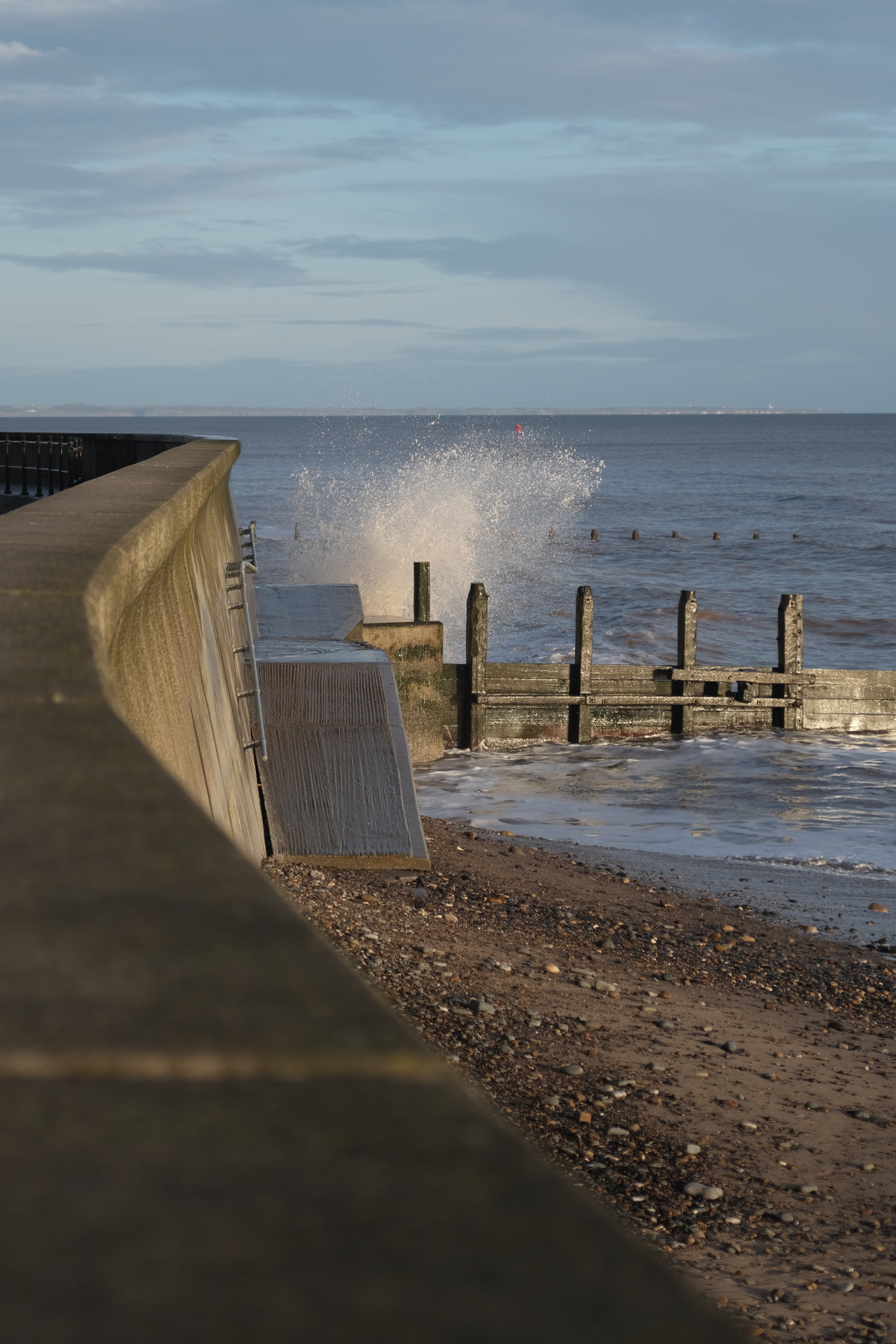
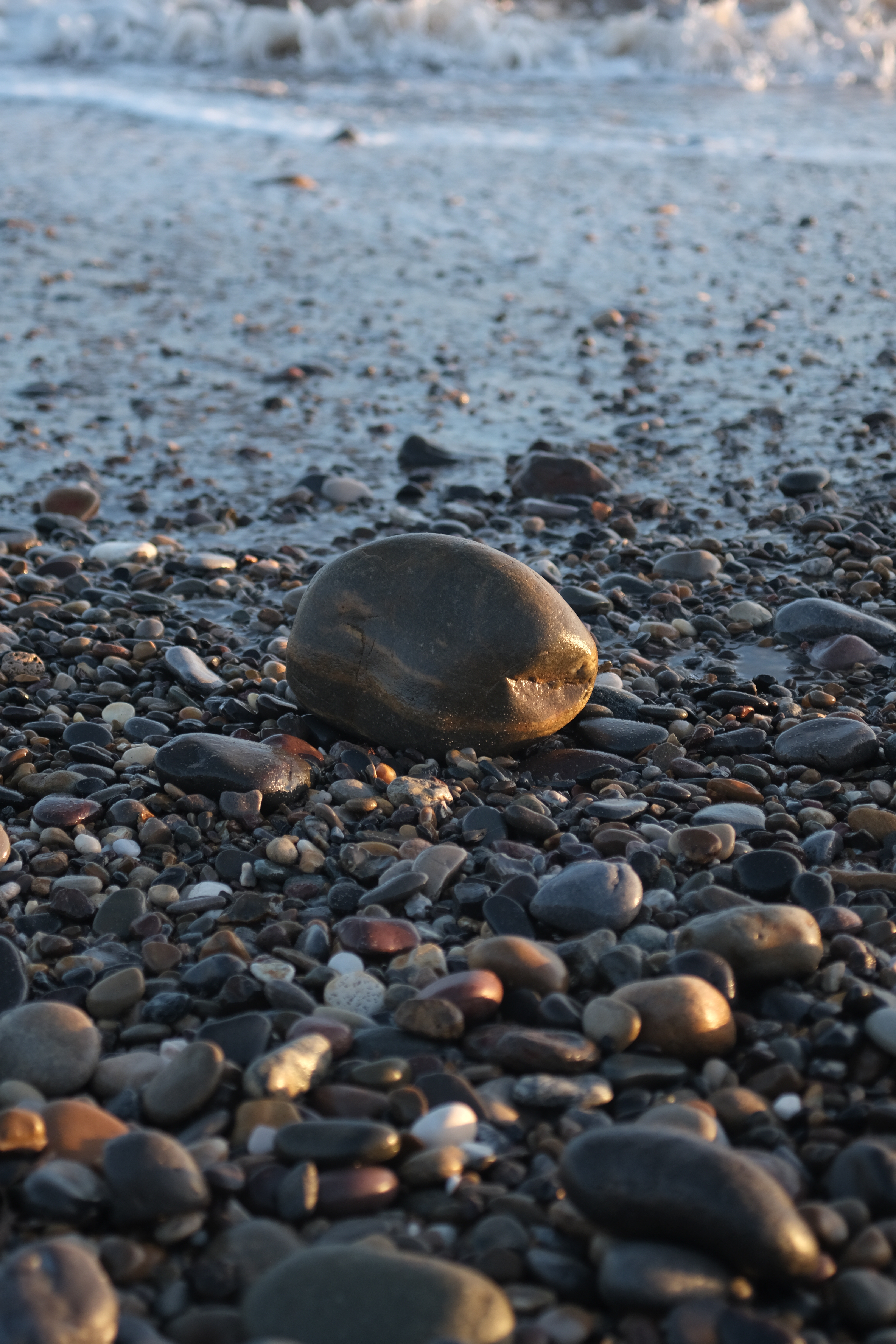
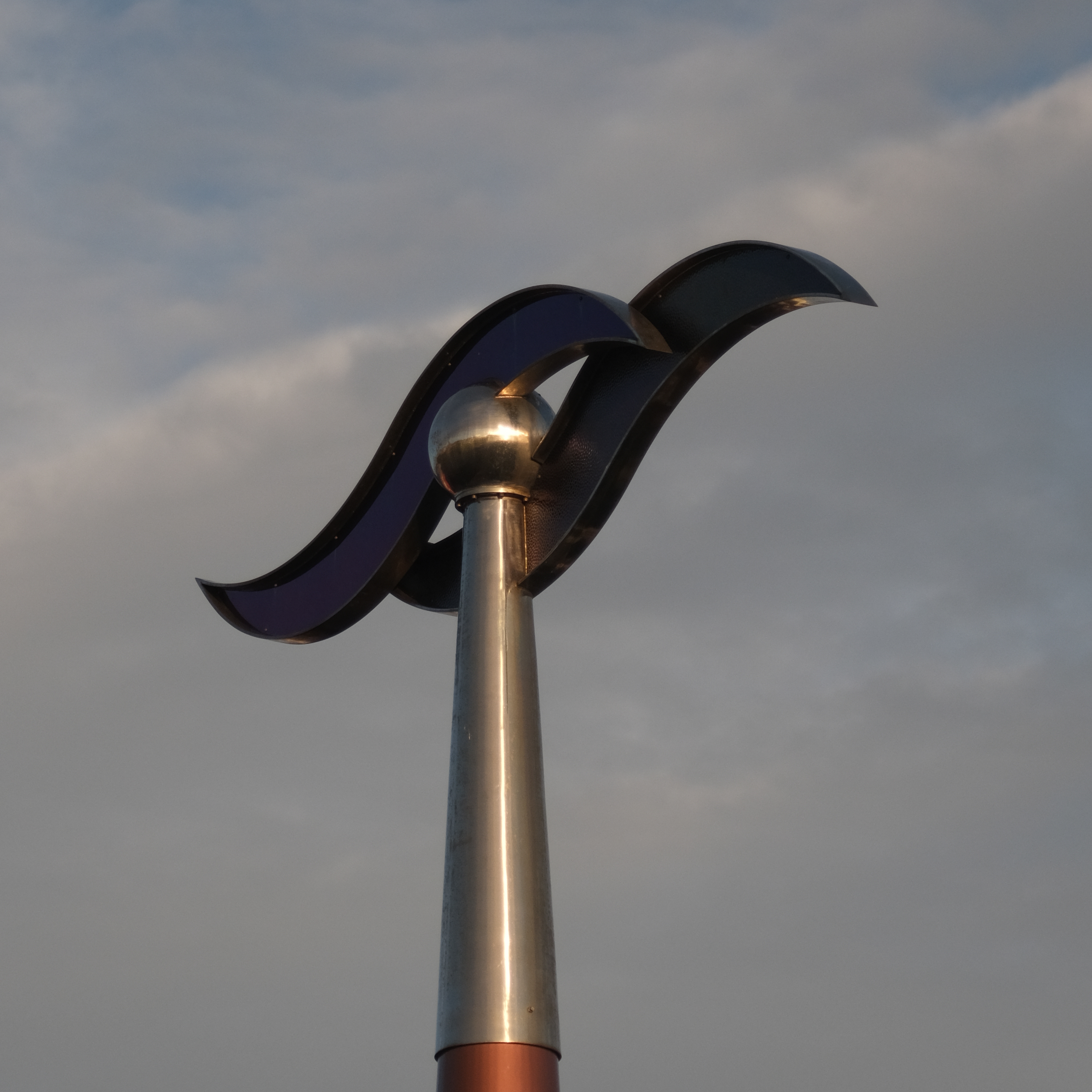
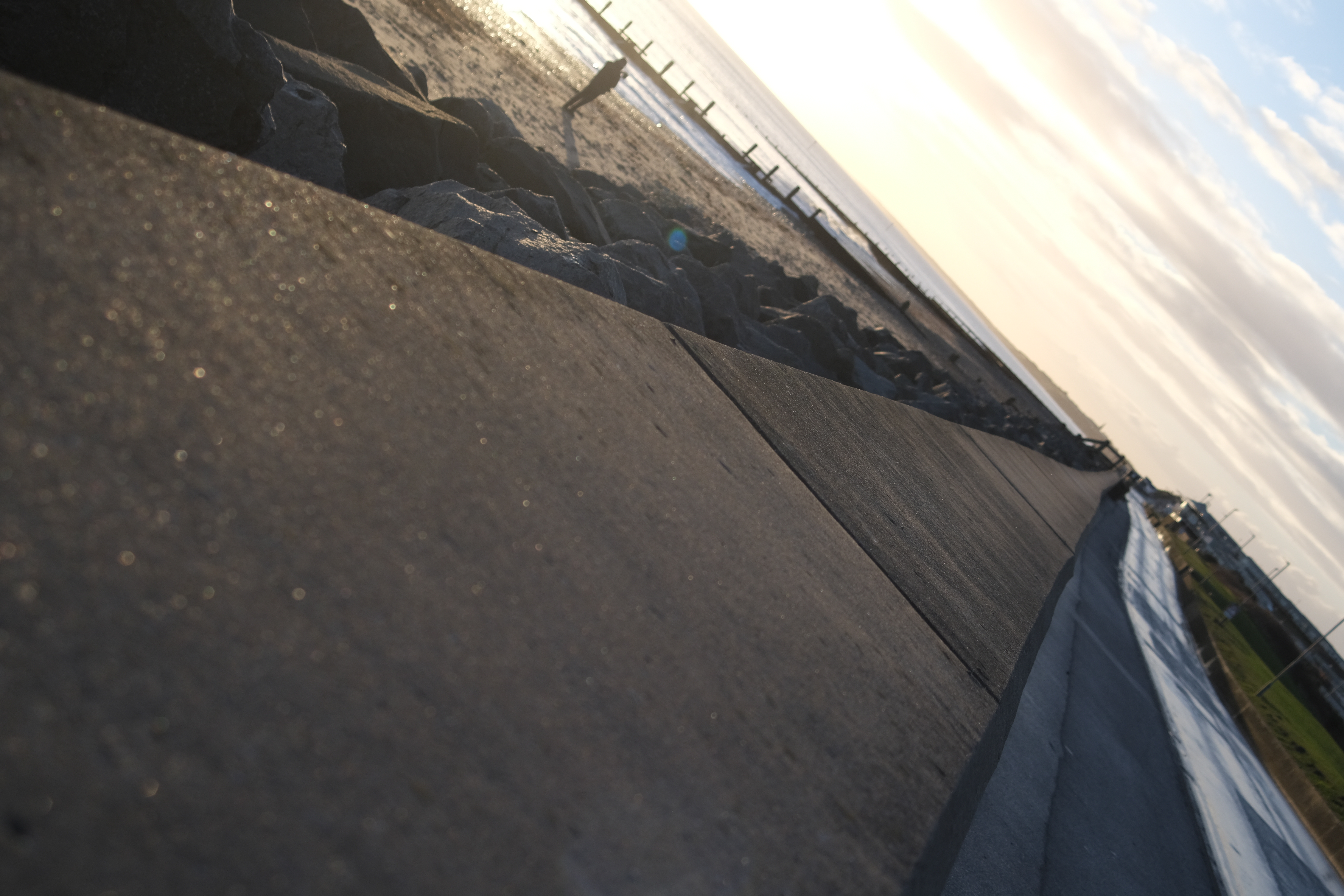
I took it out to Hornsea beach back on New Years day and was pleasantly surprised not just at the quality of the images I was getting, but also how easy it was to focus. Not being well damped didn’t hinder the focusing at all. I usually prefer a longer throw to really nail focus, but at a whisper under 180 degrees, it was just about right.

And as mentioned earlier, the lens was nicely balanced on the X-T3. The zoom does extend when zooming and focusing, but you don’t notice it as the front element never protrudes beyond the front of the zoom ring/built in lens hood. It was actually very pleasant to use and I must admit, a little bit fun.

Image Quality

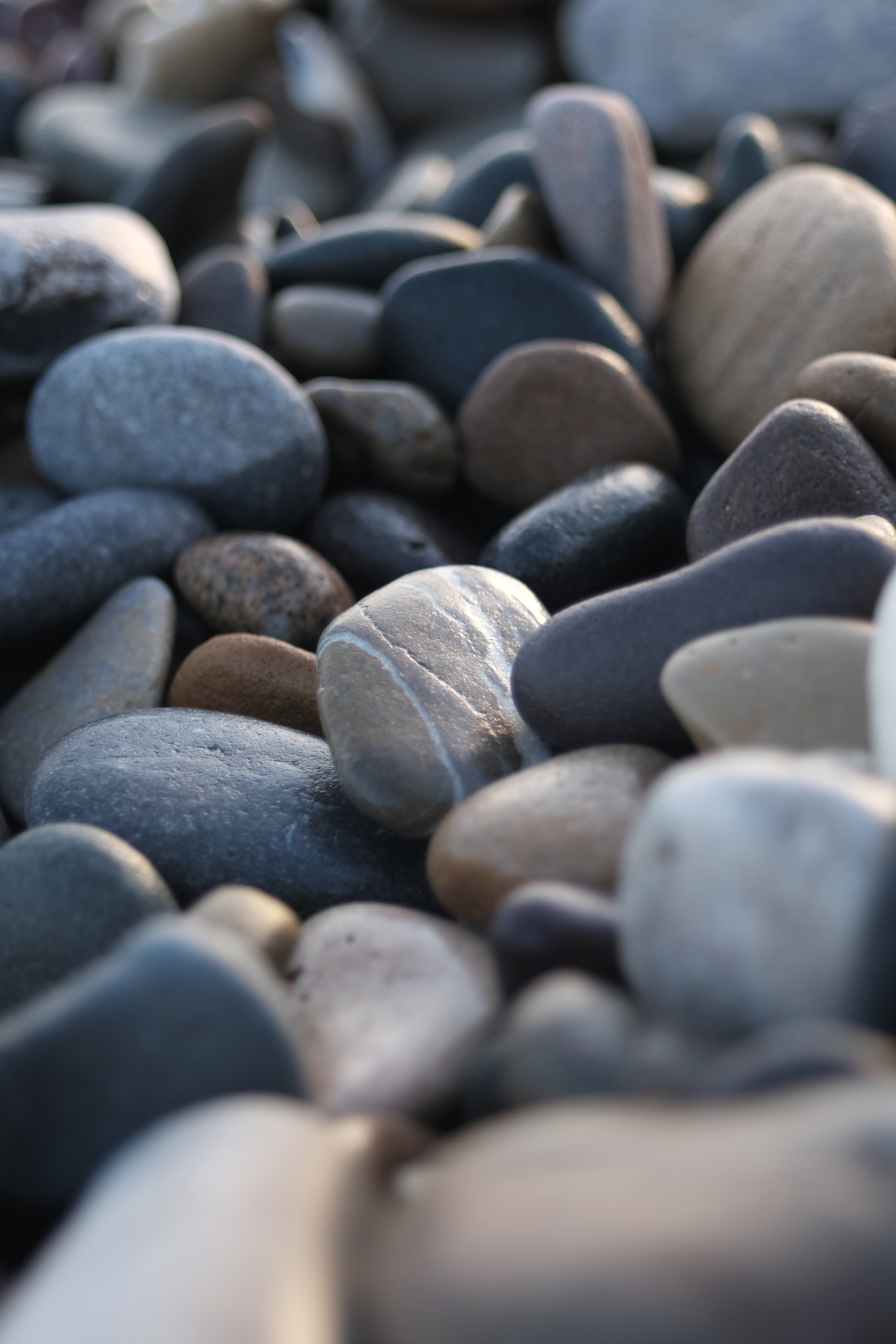
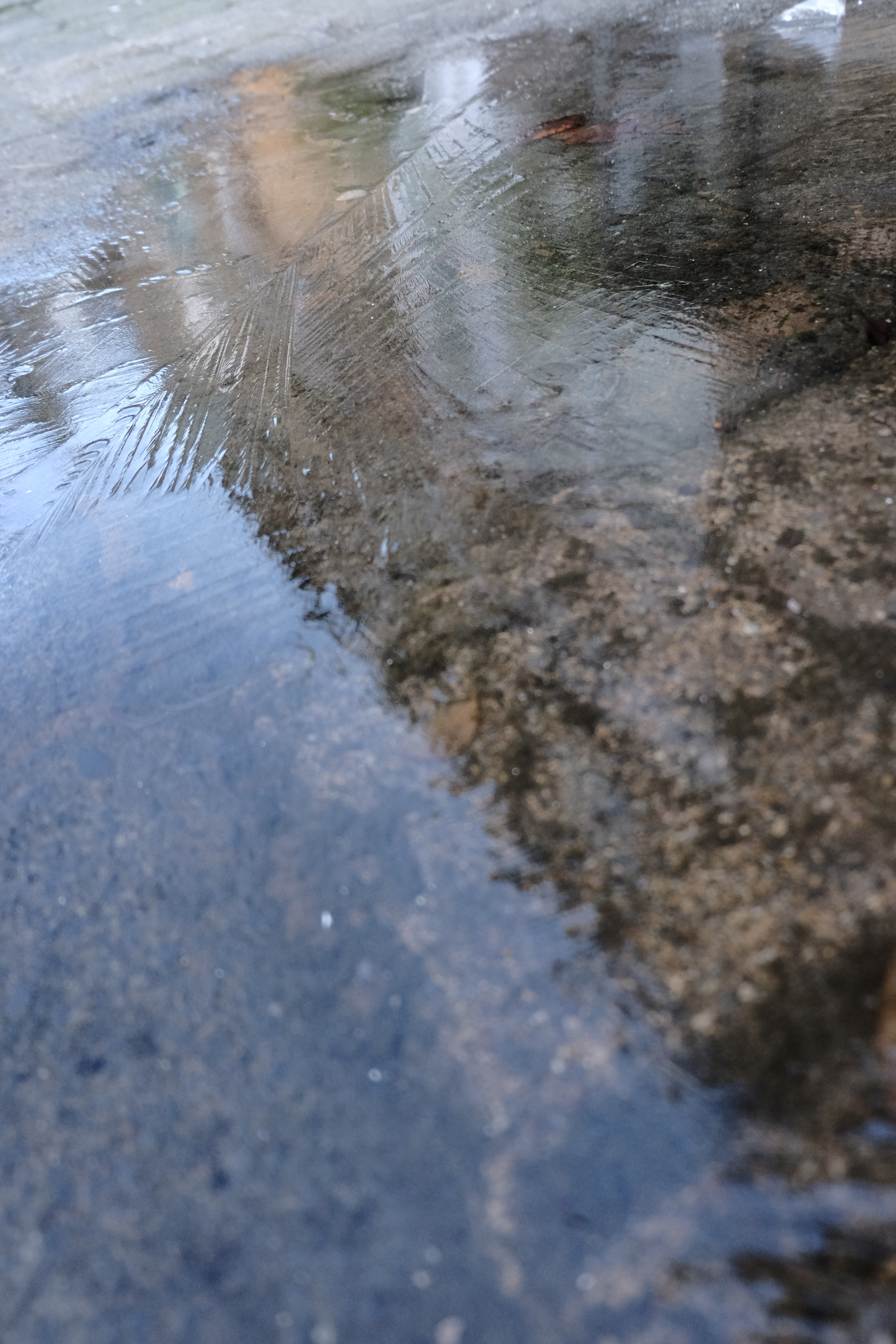
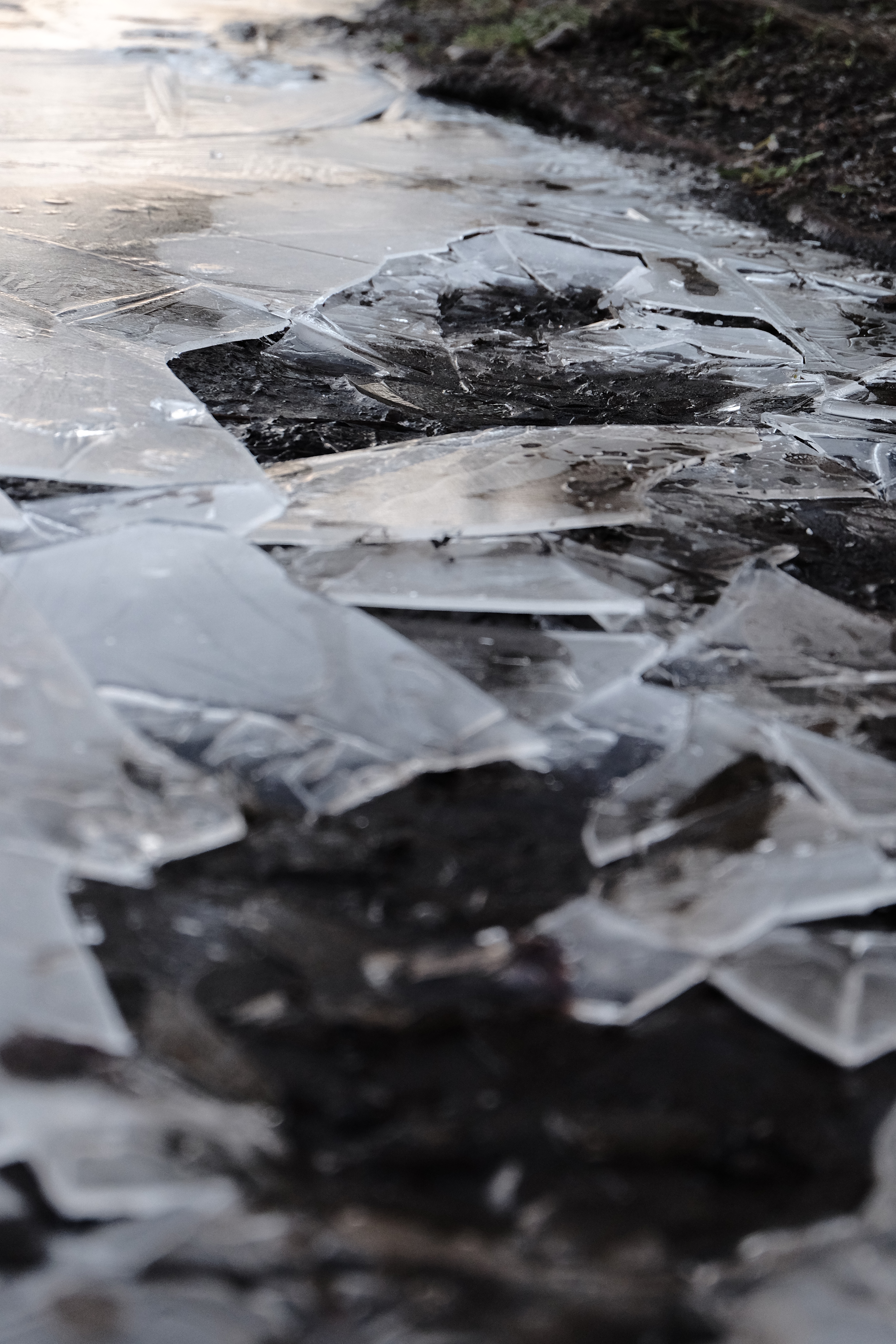
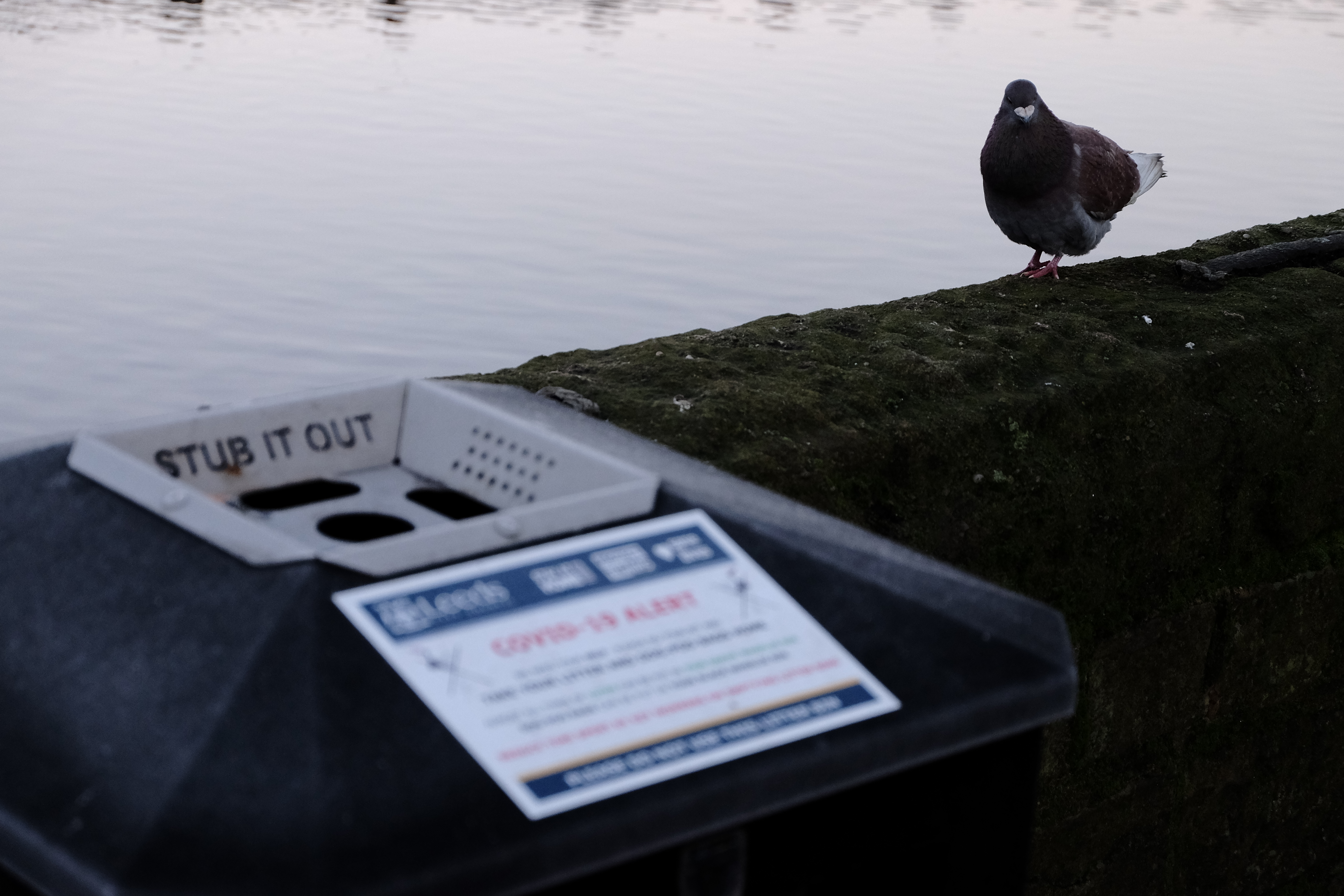
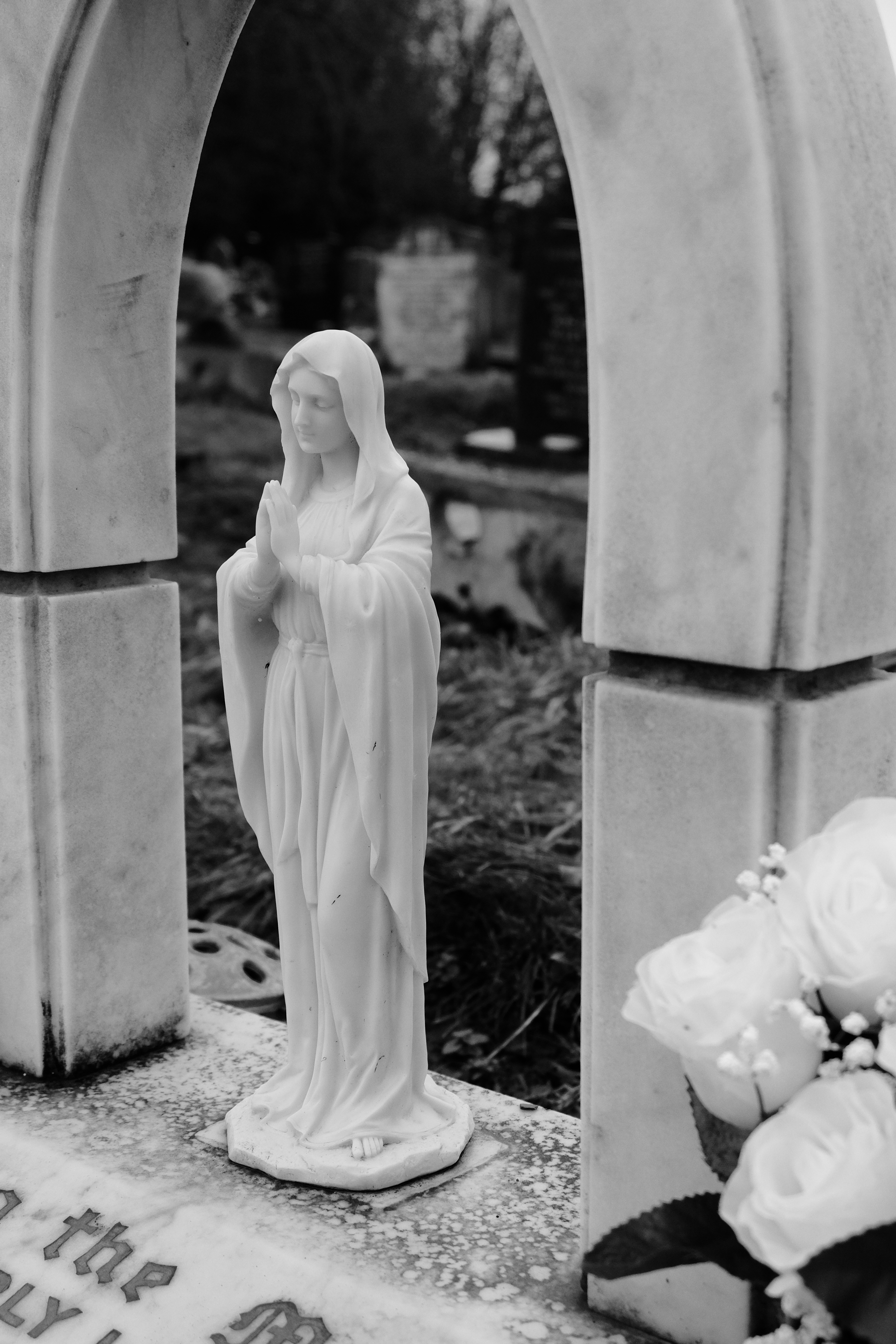
All images are straight of camera jpegs.
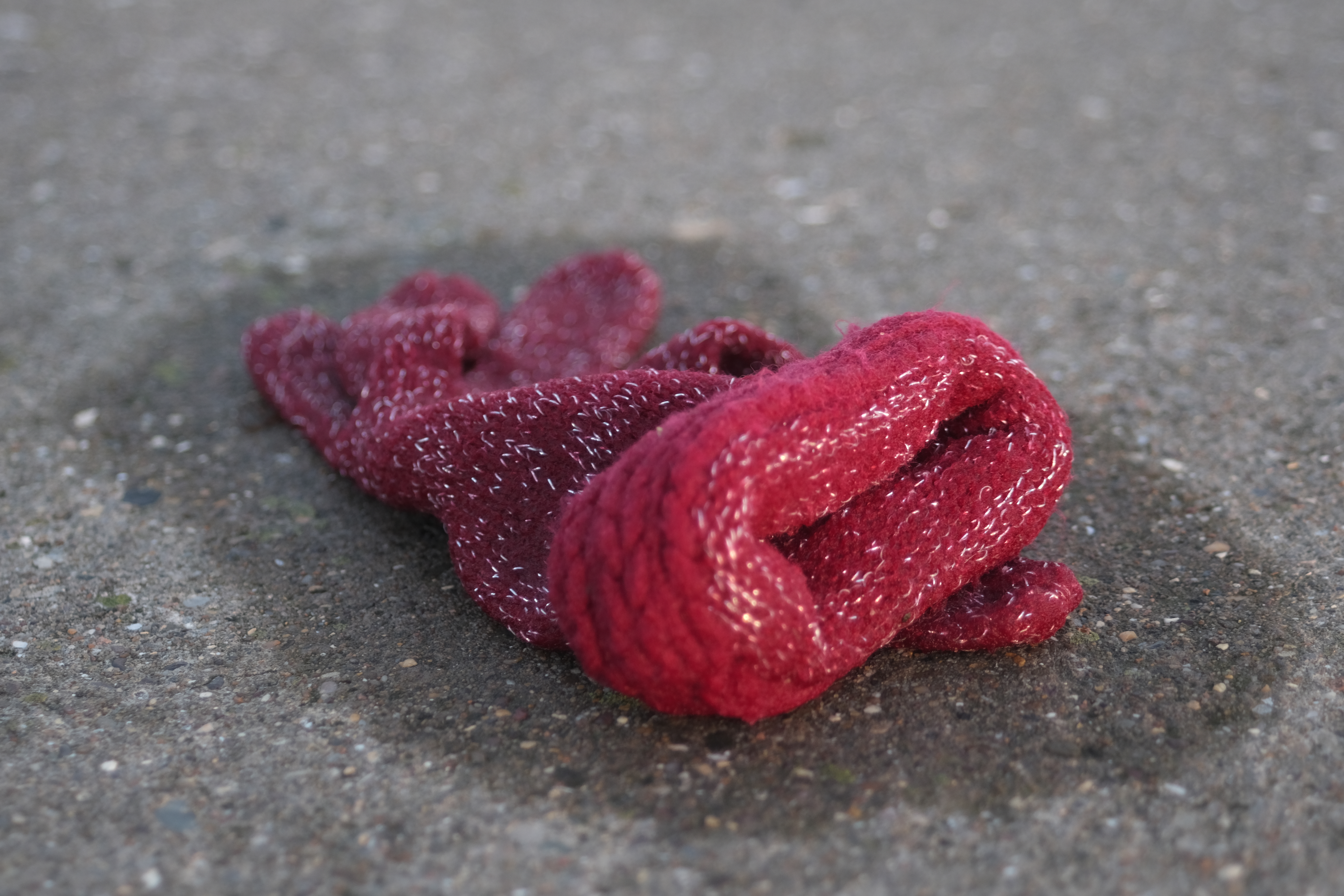
I was surprised at just how good the images look. It renders colours and contrast nicely and overall, the images look sharp and punchy when the light is good, but the lens tends to lose contrast when the light get’s a bit dull. Like other vintage lenses it loses contrast when shooting into the light, and there is flaring, though it seems to be well controlled.

I didn’t notice much in the way of chromatic aberrations, though I’m sure in the right situations, they will show up, as is the case with most vintage lenses. Thus far though, purple and green fringing look to be well controlled for a lens of this age.
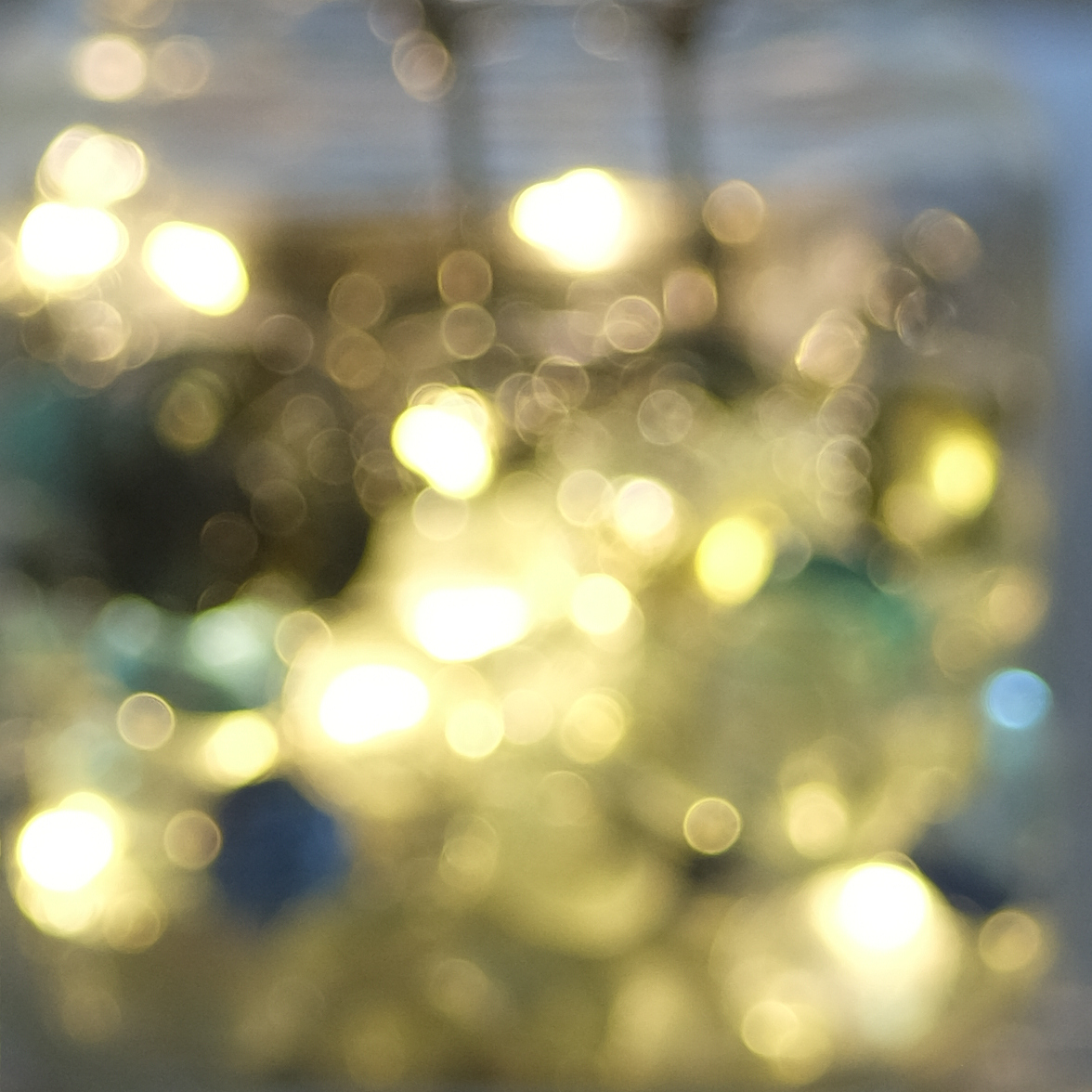
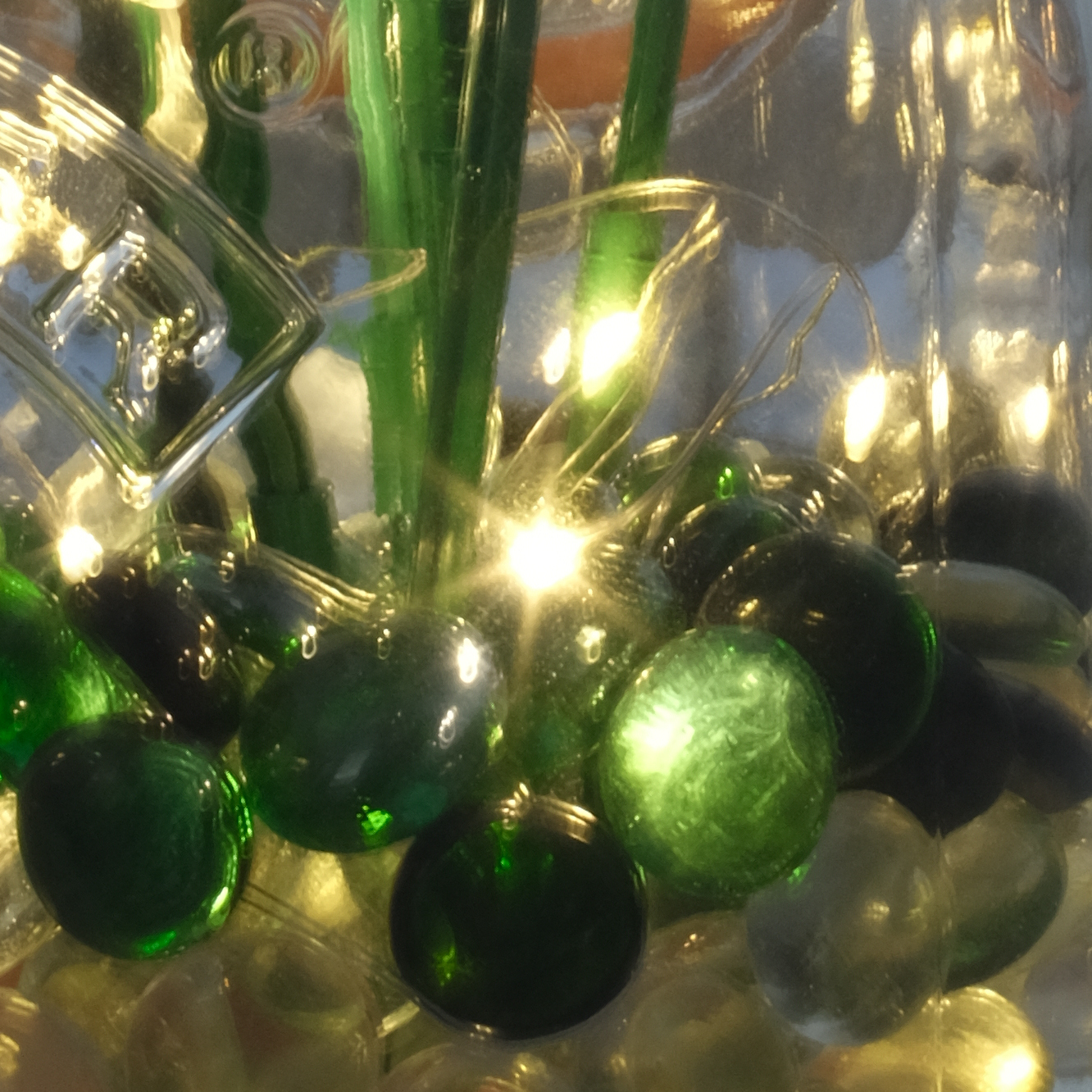
Bokeh is okay. You’re going to get soap bubble bokeh balls at F4 and sun stars when stopped down, but on the whole, the fall-off is gentle and the out of focus areas are rendered nicely.

So Is It Worth It?

Overall, the lens was surprising good for the price. Obviously you’ll find these near the £100 because some sellers never miss an opportunity to rip people off, but you can find it under the £50 mark. So is this cheap little lens worth it? It’s not going to replicate the image quality, or bokeh, of fast primes like a 50mm f1.4, but I was really taken aback with how good the images looked. Considering you can get this for half the price of the nFD 50mm f1.4, (and let’s not even talk about how much you’d pay for a good condition 35mm), it’s a good value option if you want to start playing with vintage glass on a mirrorless camera.
Saal Pro Line Photobook Quick Review

I’ve used Saal a few times to produce photo books for myself, and as gifts for others, and while I had mostly positive impressions about my first book, there were some misgivings.

By way of disclosure, I was offered a voucher towards the cost of the book, but that in no way colours my impressions of the process and impressions of the finished book.

The Software Side

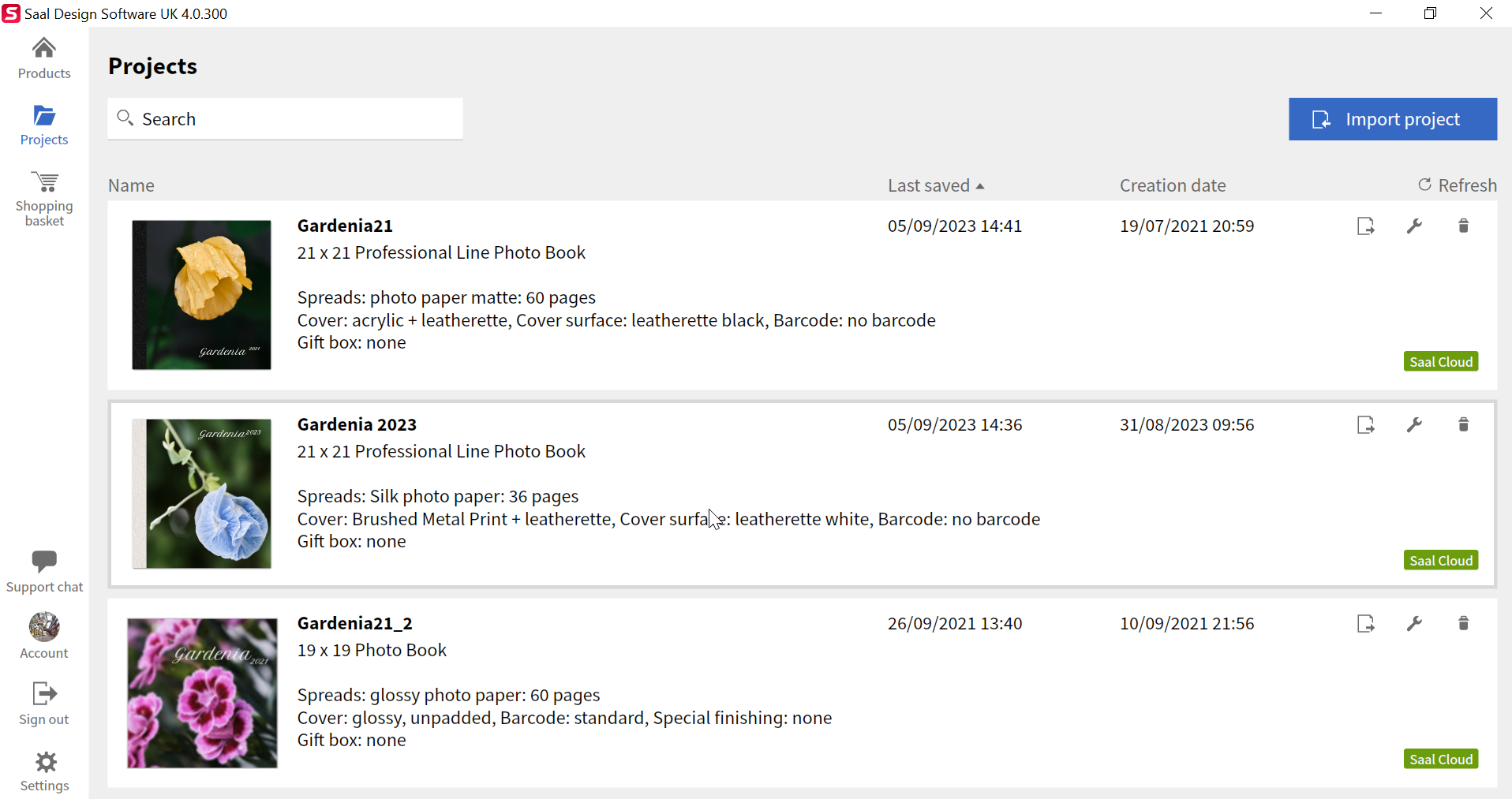
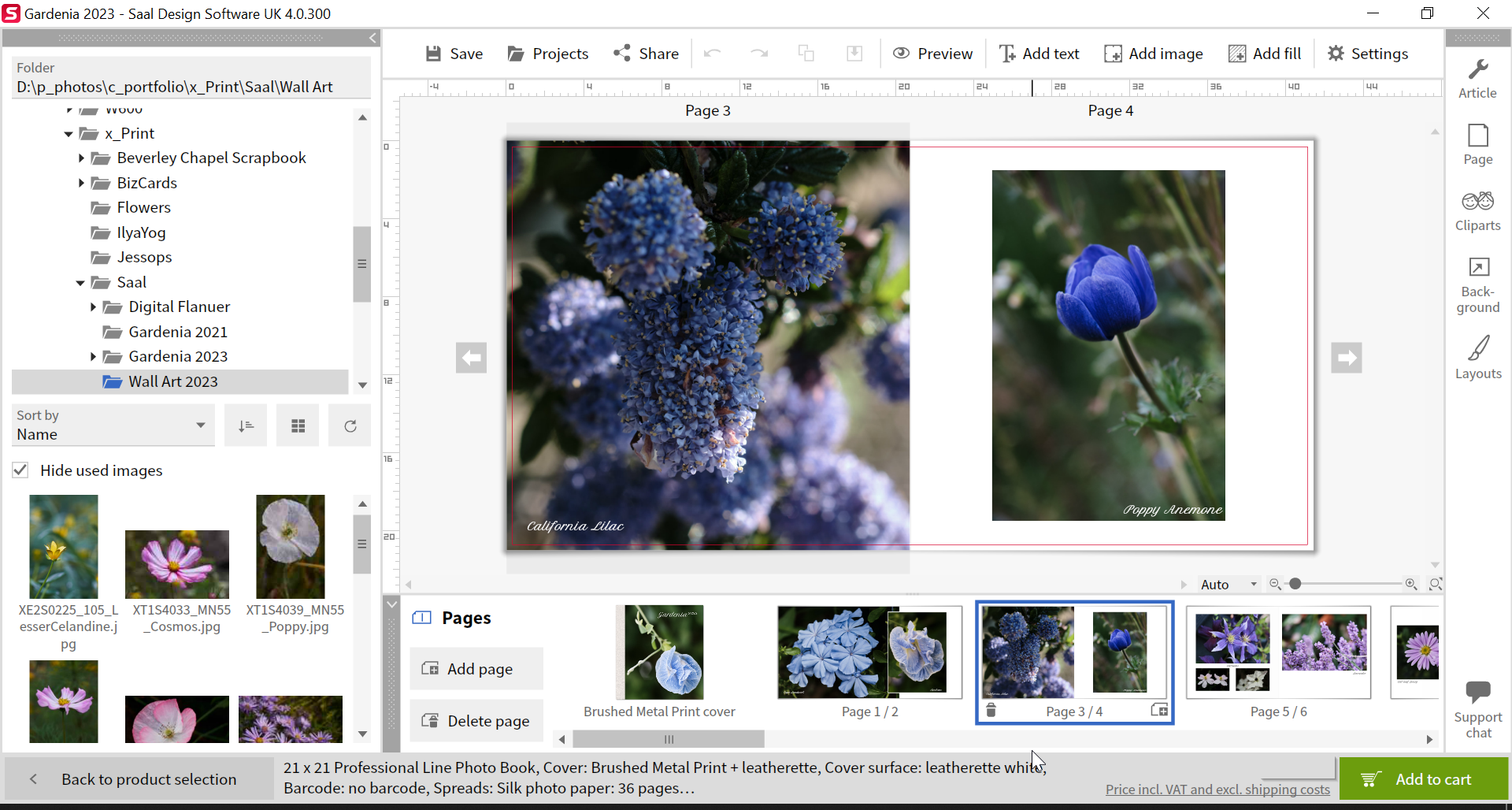
The application Saal uses is pretty much the same as it’s always been. I like that you can save projects to their cloud which makes for a very simple re-purchase option. It’s still a little frustrating that each project is specific to the product you’re buying, so if you want to change it to a different size, you need to start from scratch, so it takes some planning before you start.

I’ve grown used to the way the application works and find it quite intuitive. There are templates and icons and frames, or you can go free-style and drop images and text where-ever you want. I must admit, I’m averse to using templates so the freestyle approach works really well. Aligning objects with other objects works well and you can layer objects too. It’s all basic functionality you would find in most photo book applications, but it’s all there in the Saal design software.

The Order Process

Once the book is completed, you can order the book directly from within the application. There are a lot of finishing options to choose from and sometimes it can be a bit bewildering, but there are brief descriptions of each option, so it’s not a total guessing game.

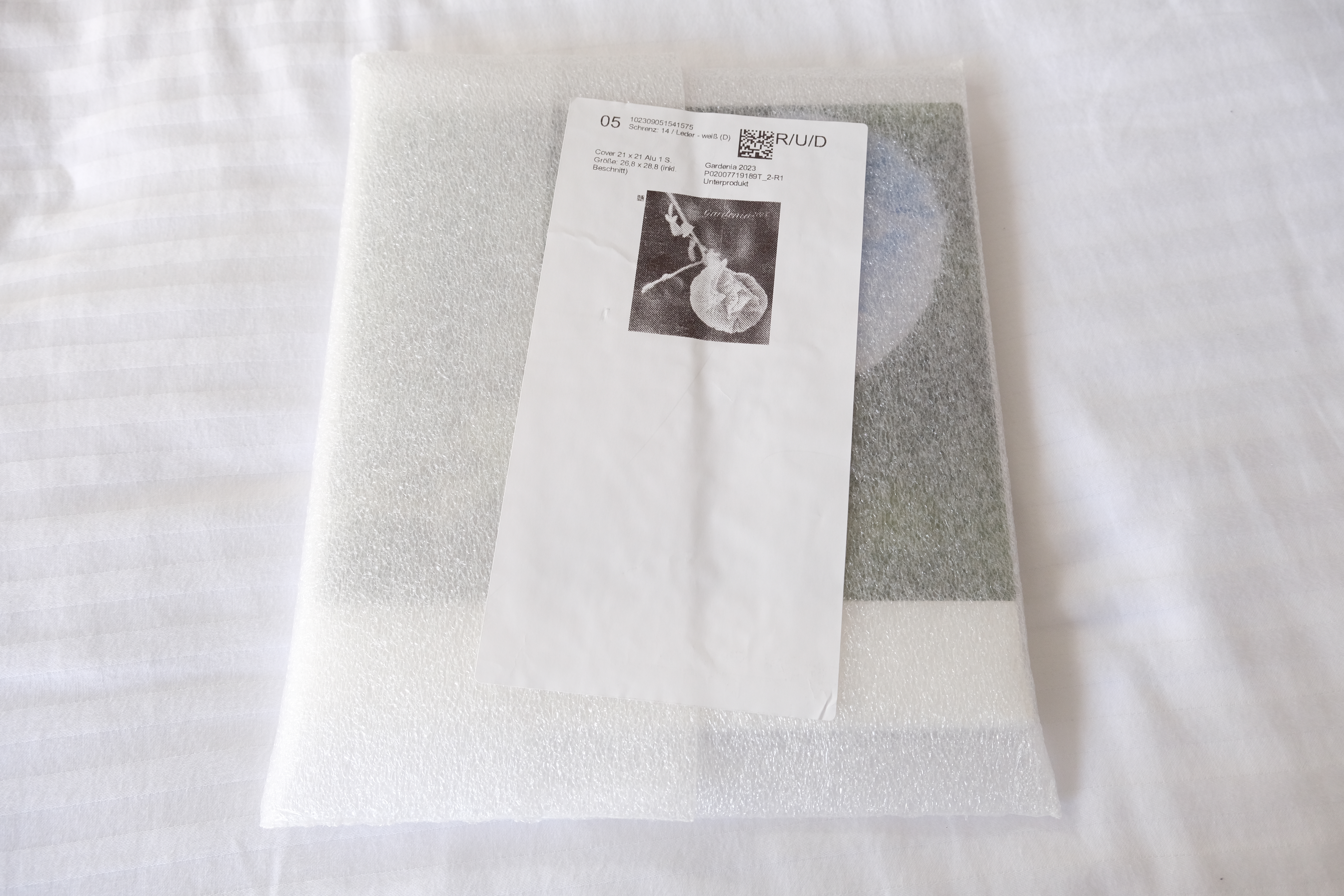
The book arrived within a week, which is not bad at all, and it came well protected in a plasticy bubbly sleeve type thing.

The Book Itself

So let’s get the negative out of the way first.

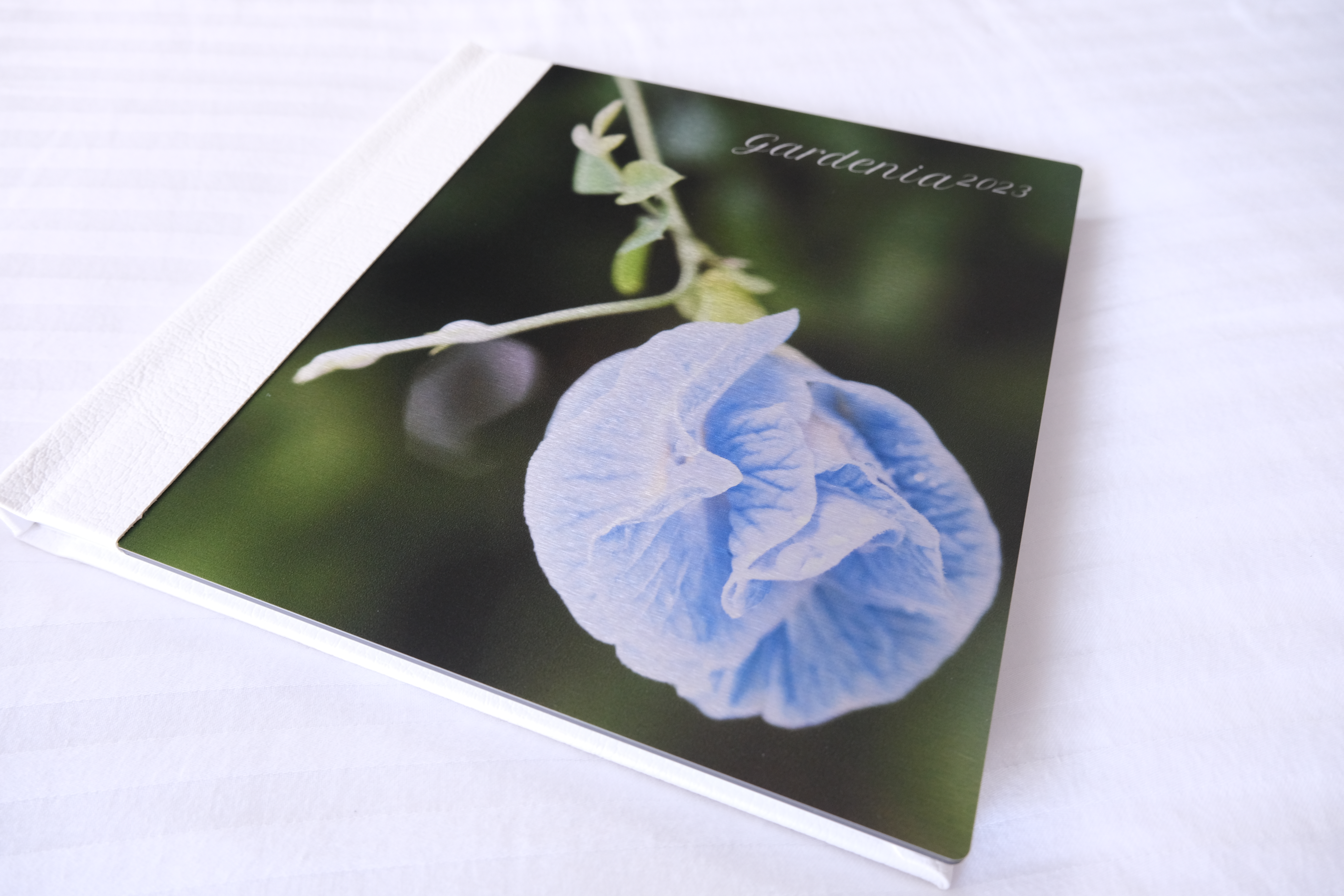
I opted for a brushed metal cover (Previously I’ve gone for the acrylic cover which is really nice) with silk finish papers (Previously I’ve opted for matt and gloss).

The cover was a little disappointing. The brushed metal is a nice effect, but the flower is quite light and a lot of the detail has been lost and looks washed out. I think a darker or more contrasty image would have worked better.

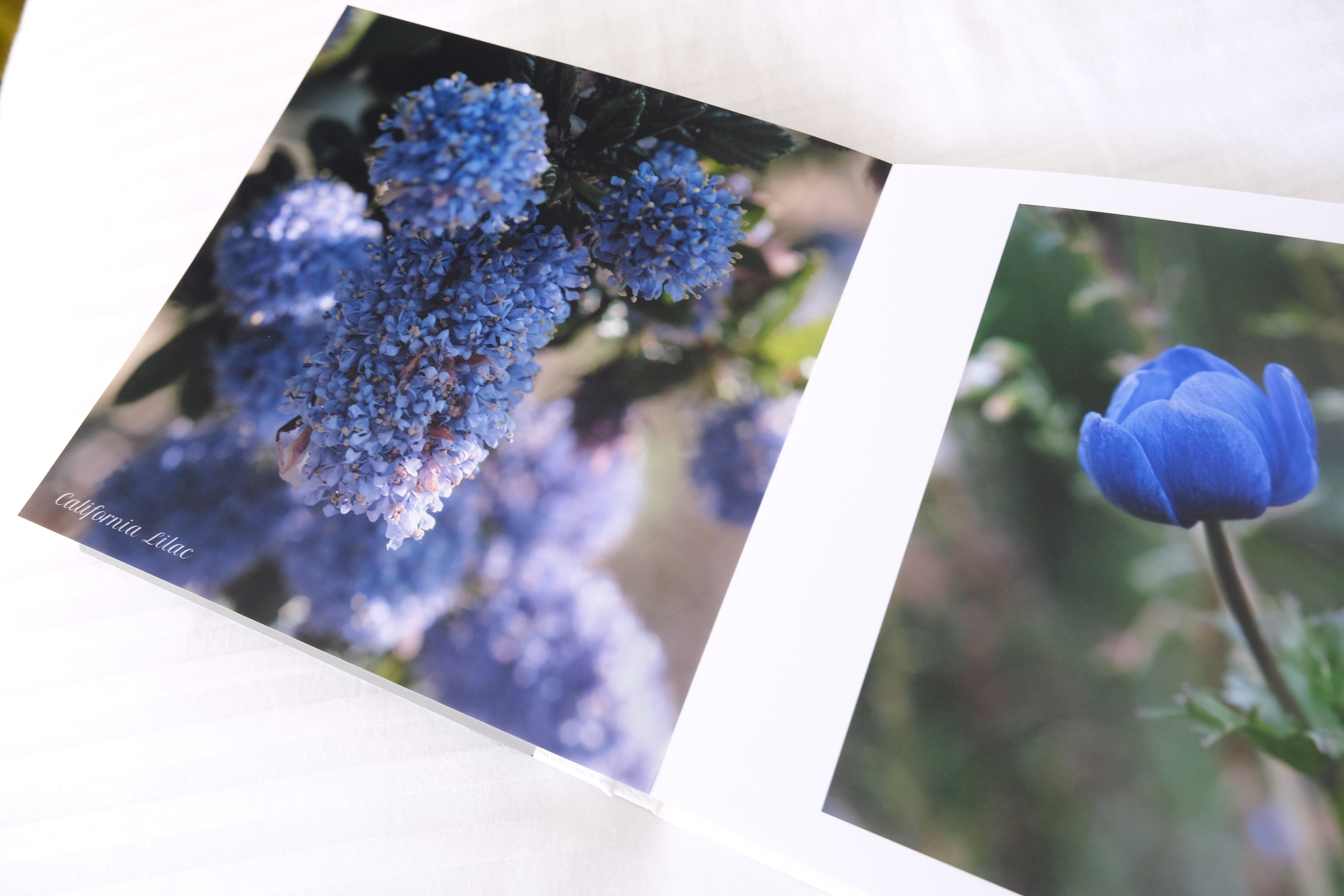
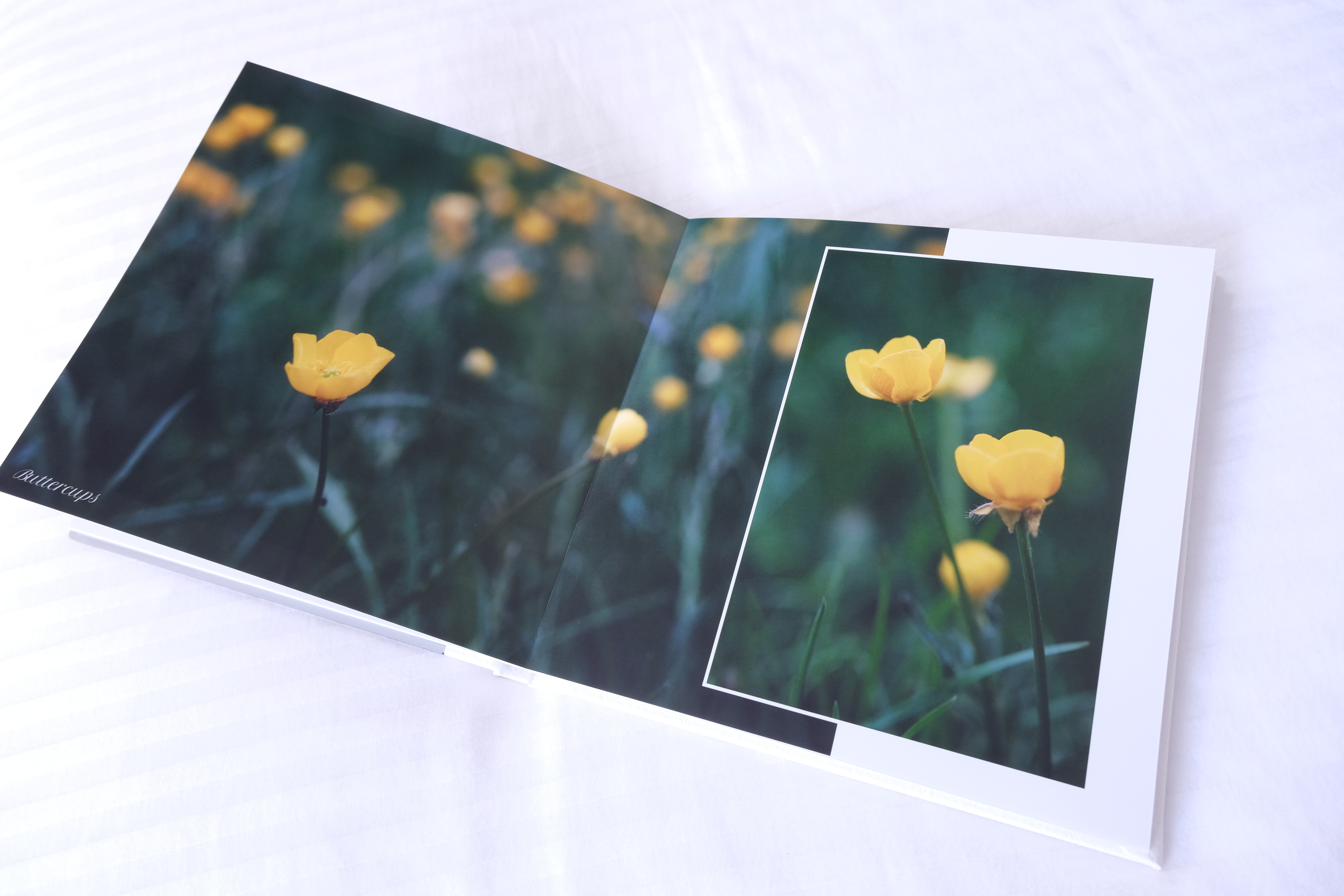
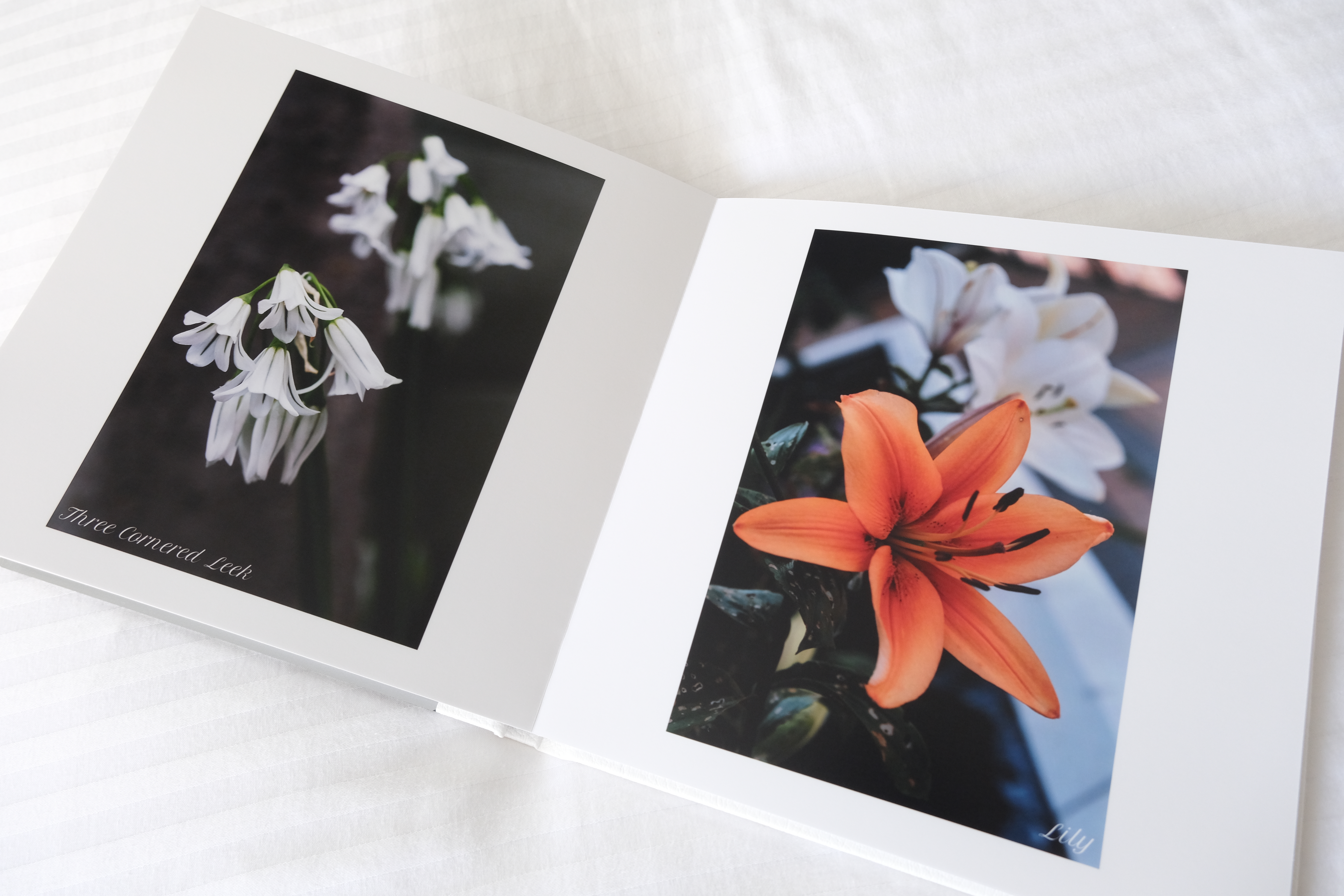
Now onto the positive. The silk pages have a honeycombed plastic type covering which I actually love. It’s very different, but the images just pop. The images are sharp and crisp. The colours are accurate. The images really do look spectacular. I can’t say enough wonderful things about them. If anything it made me wish I had better images to place in the book. They look so much better than they do on the screen. I smiled turning over each page and seeing the images gain a vivid new life. (As you might guess, I was impressed :))

And that’s kind of the point, isn’t it?

Online albums on your phone/tablet, or online are great, but in this age of e-this and i-that, there is something just that little bit extra special about seeing your photos in print – something analogue you can actually hold. Photographs should be printed and hung on walls or placed in the pages of photo books, but they need a good printer and Saal really did a grand job printing these.

Saal (www.saal-digital.co.uk for the UK) always seem to have offers on a variety of their products, so it’s worth keeping an eye on their website. Definitely worth considering.

Fujifilm X-E2 in 2021

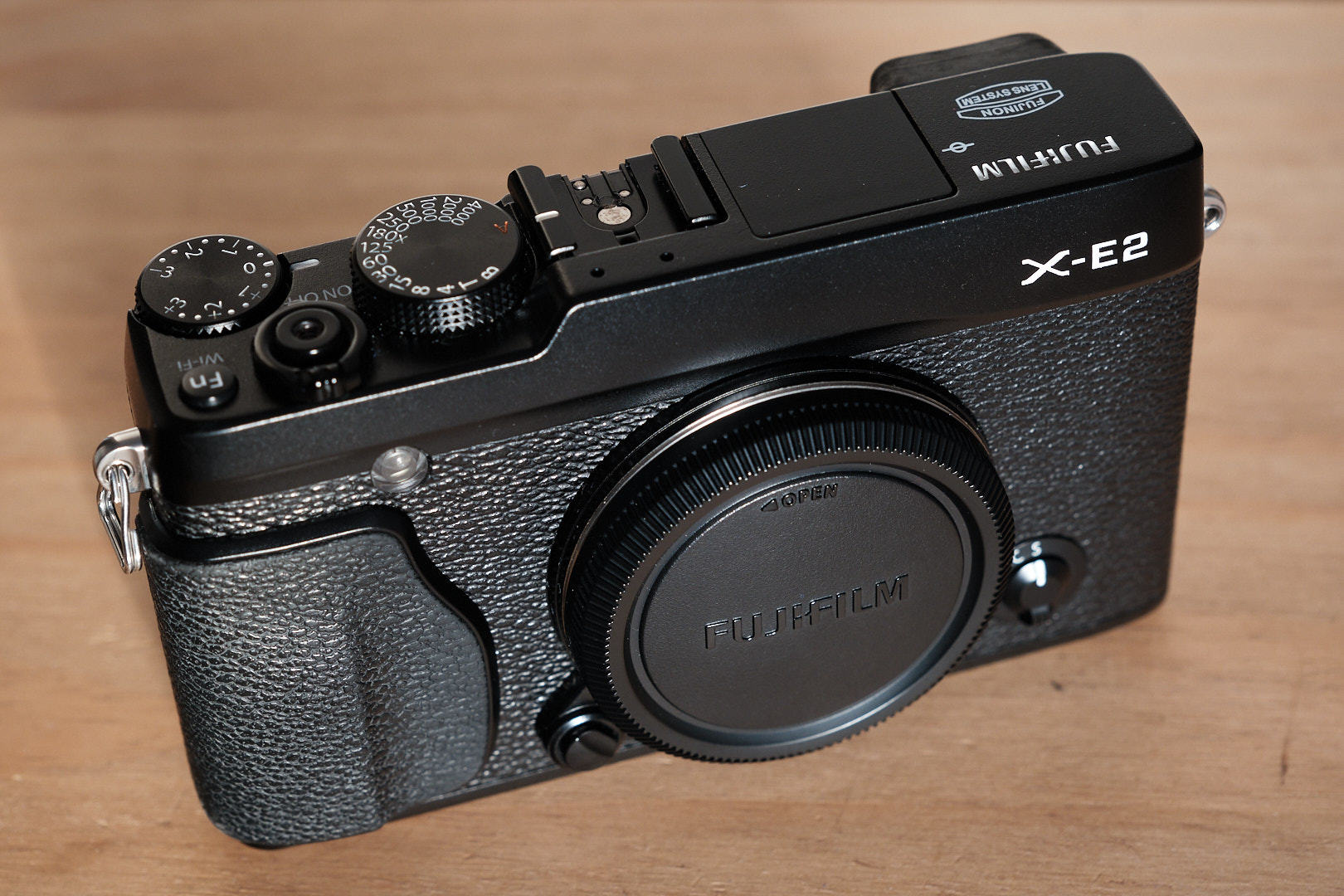
So Fujifilm have just announced the much anticipated X-E4 to an admittedly mixed reception, so I thought it would be fun to take a look back at the X-E4’s grandad, the X-E2. (We could argue that the X-E2 is really the X-E4’s great grandad, but the X-E2s was really just a refresh rather than a significant update, and with firmware updates, there is really not much to distinguish them. The X-E2s is really more like a younger brother to the X-E2).

A quick look at the specs

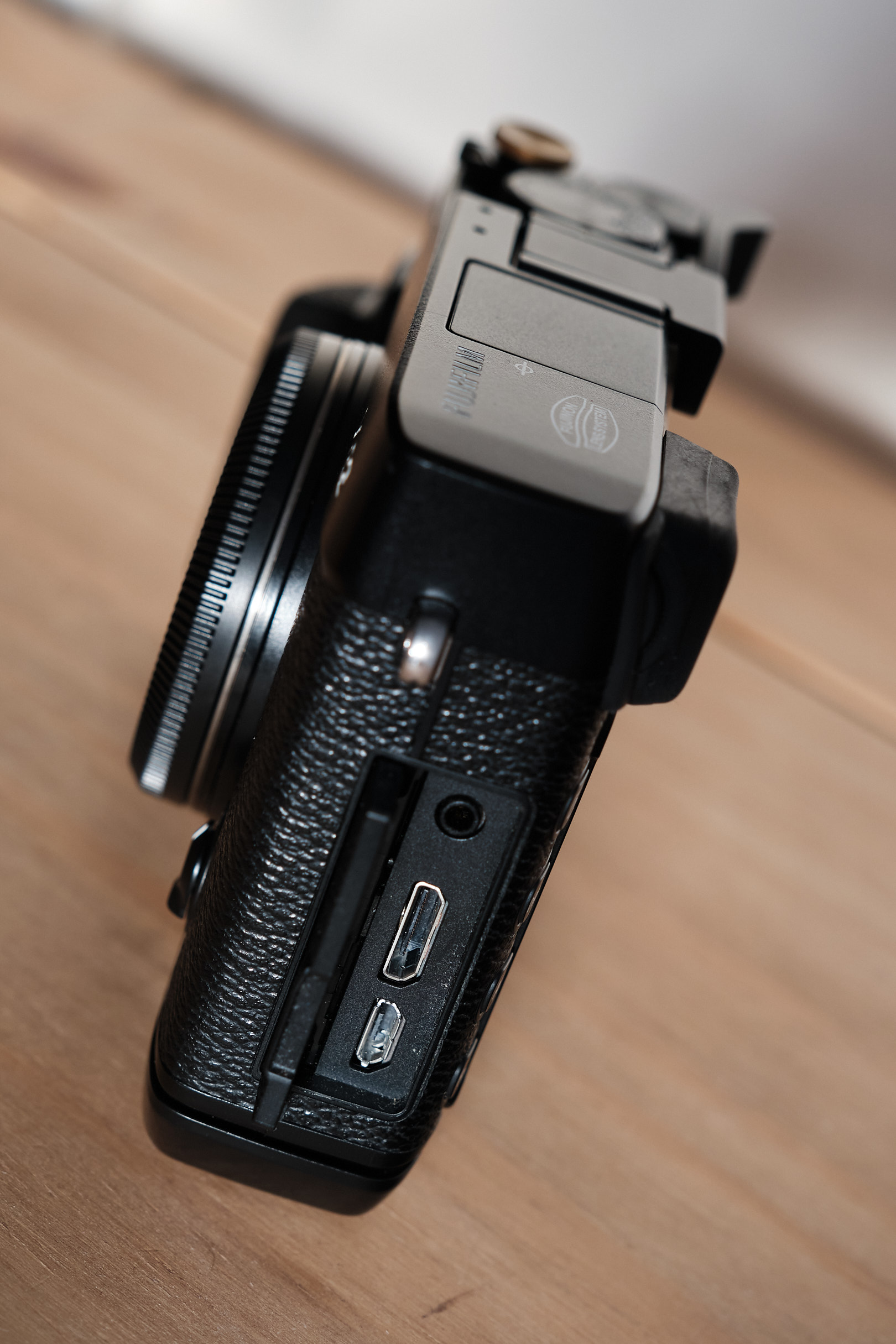
The X-E2 was released in 2013 with an APS-C sized 16mp X-Trans ii CMOS sensor, and there are some that claim the second generation X-Trans sensor has the best colours compared to other generations. ISO range is from 200-25600. A 2.36 million dot EVF and a 3 inch 1.04 million dot LCD screen that is fixed. Maximum shutter speed range is from 30 seconds to 1/4000 sec.
It comes in at 350 grams and 129mm wide, 75mm tall and 37mm thick.The kit lens option was the excellent 18-55mm f2.8-4, which is the lens I paired it with when I owned it in 2014. This time I have it paired with the 16-50mm f3.5-5.6 OIS ii.

Choosing the X-E2

What drew me to the camera, and in fact to Fujifilm, were the aesthetics. Small and light with a rangefinder look, it was very different and new to me and I must admit, I loved it. I still think the X-E1/2/2S look is better than the X-E3/4, but that’s a personal thing. The X-E2, with its slightly longer stretch, just looks better to me.
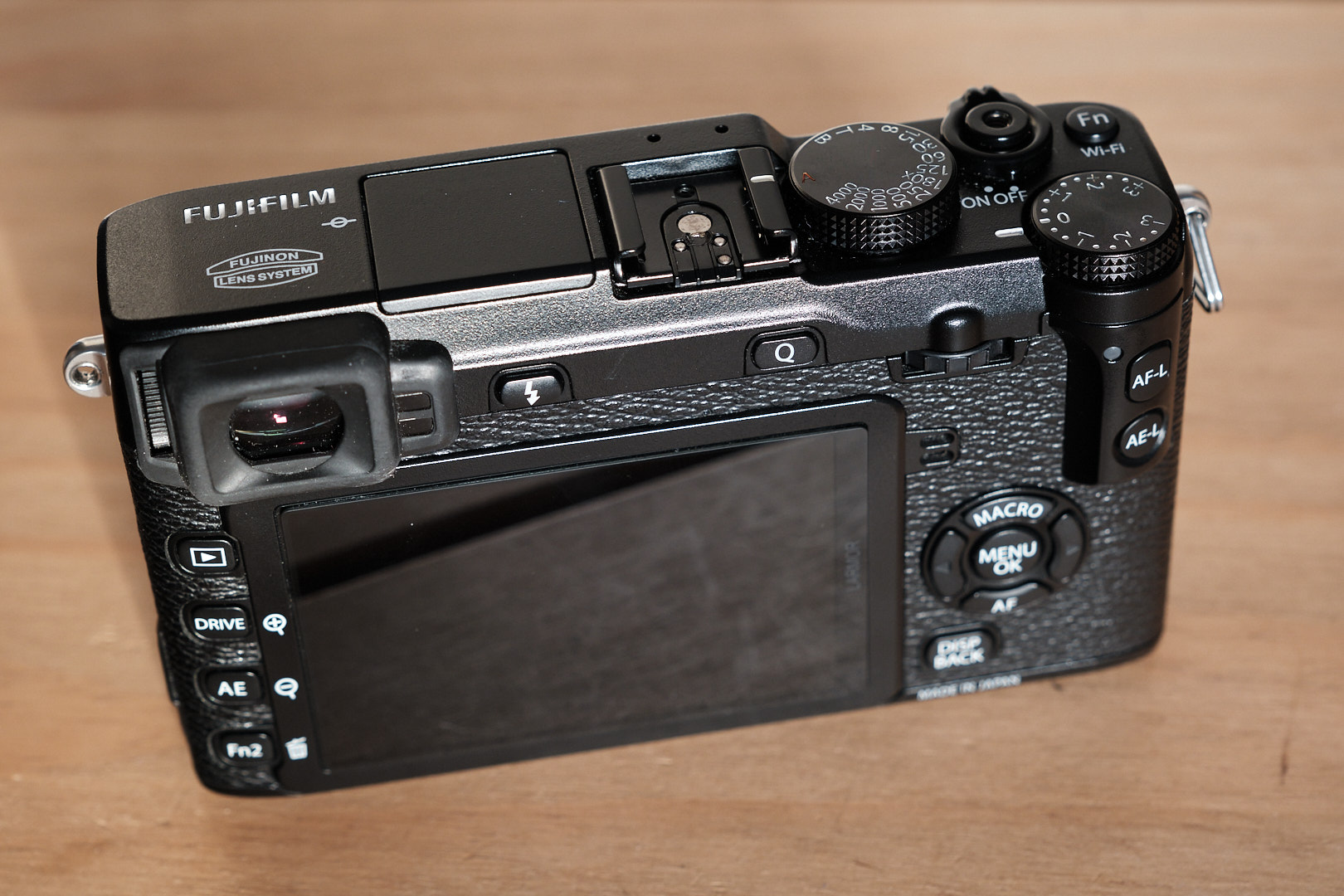
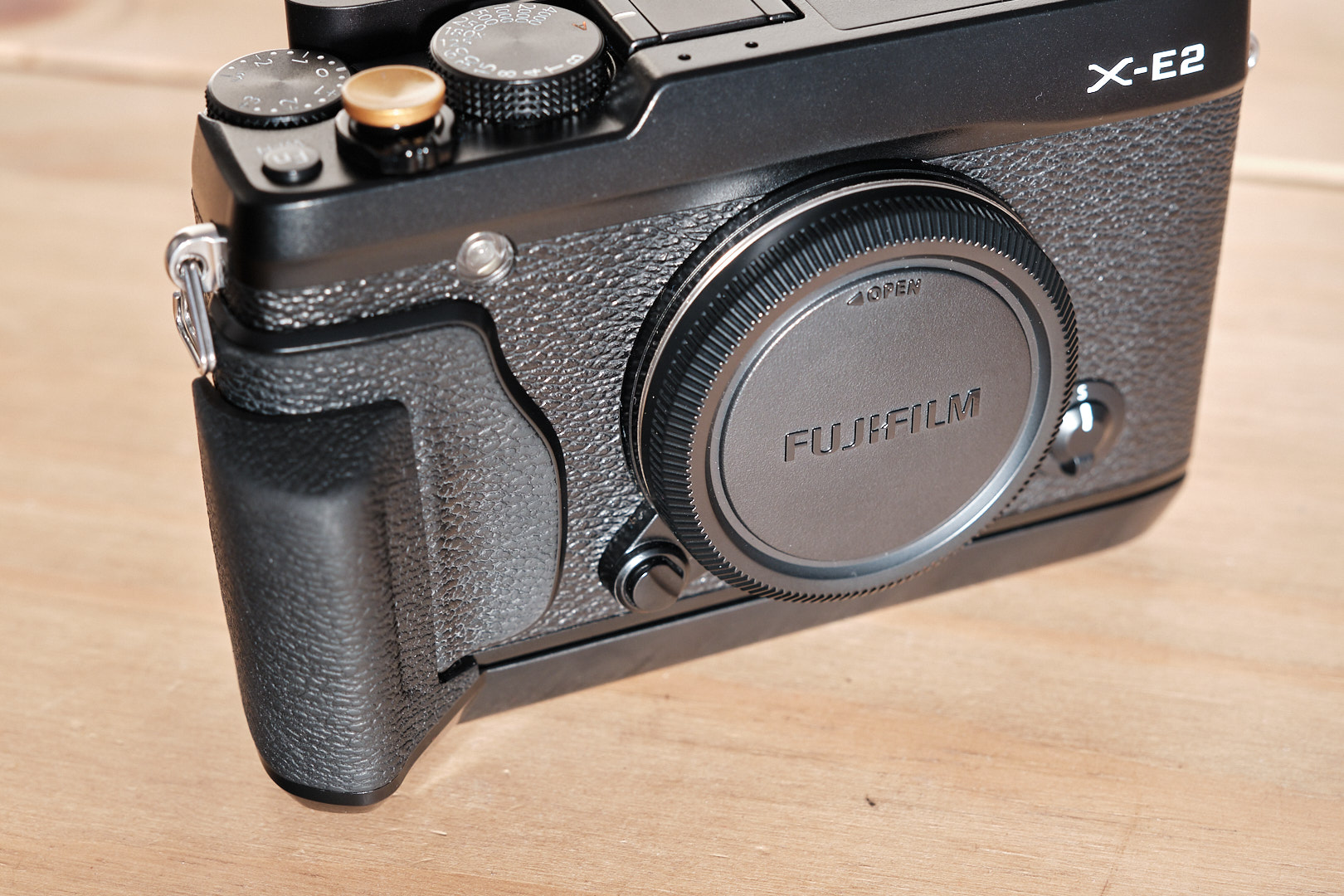
The camera feels great straight out of the box and the lack of a substantial grip isn’t a problem like it is on the X-T3. That said, I do find a grip and thumb grip help, especially with zoom lenses. Plus the thumb grip helps prevent accidental knocking of the exposure compensation dial, which I was always doing.
I also like to add a soft shutter button. Back button focusing doesn’t feel as natural as it does on say the Sony A6000 series cameras, so a soft shutter button really helps nail that half shutter press, which I have a real problem finding without. (Maybe that’s just me though).

So it looks great. It feels great in the hand, but can a camera that is almost 8 years old now still give you good results in 2021?
Obviously, you can’t expect the same performance as a current model. There have been a lot of advances in the last 7 or 8 years around colour science, autofocus, video, noise, dynamic range, high ISO, etc., so you have to take these things into account, but if it was good enough back in 2014/2015 when I first owned it, surely it’s still going to produce good results now?

The results

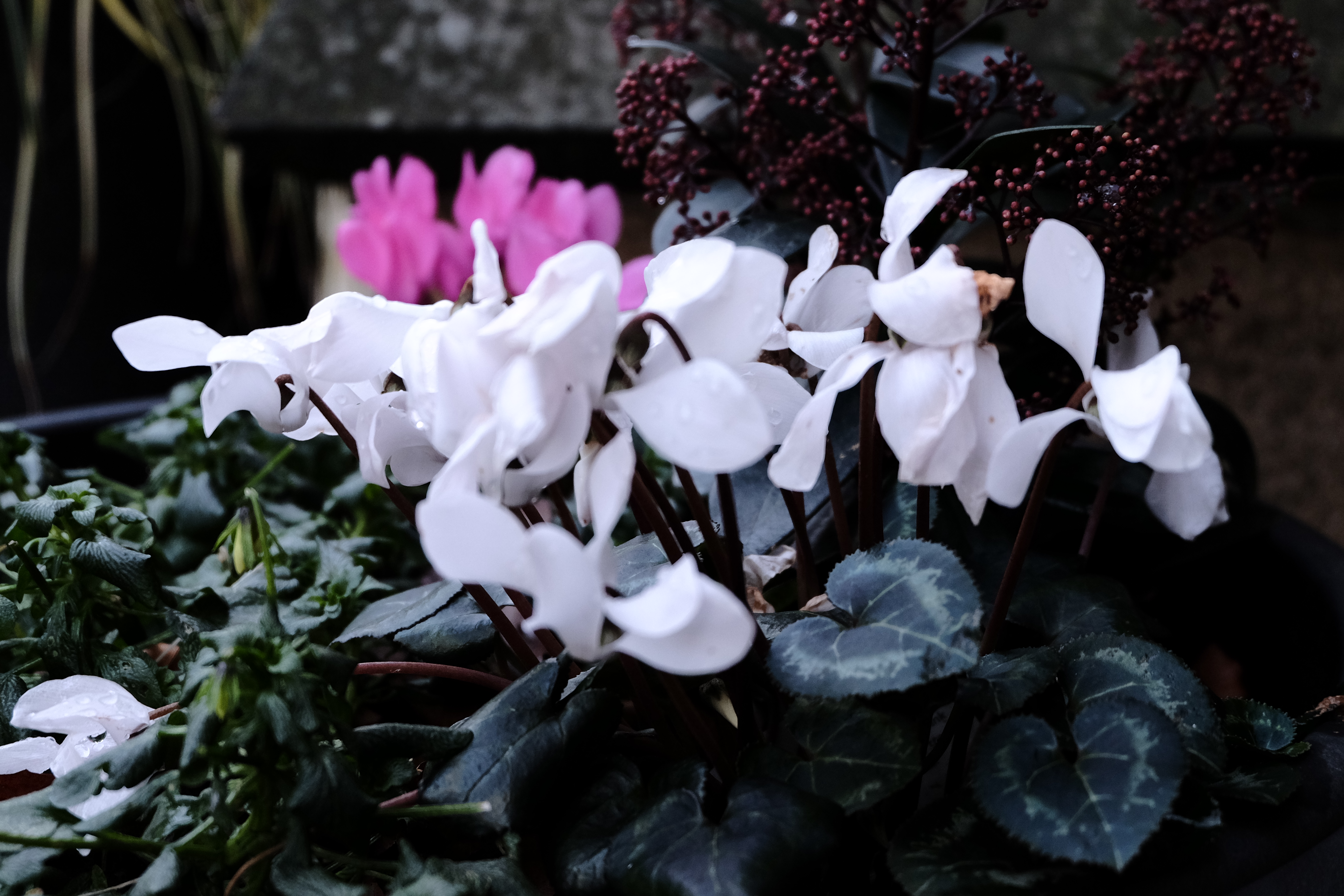
My favourite film simulation in 2014 was ProNeg high contrast. It wasn’t quite the simulation of Pro400H, but it was close enough for my taste. I was so happy with the JPG images that I never really bothered processing the RAW files – I could never get them as good as the JPG’s anyway using SIlkypix. Thankfully, Fujifilm now use Capture 1 and I really like that software. You don’t get the film simulations in Capture 1 like you can for the 3rd and 4th generation XTrans cameras, so that’s something to keep in mind. The JPGs are still good though. Even now they still impress me, probably more than they do out of the X-T3. (All the images in this review are all straight out of camera with the ProNeg high film simulation or a tweaked monochrome film simulation. They have been re-sized for faster loading).

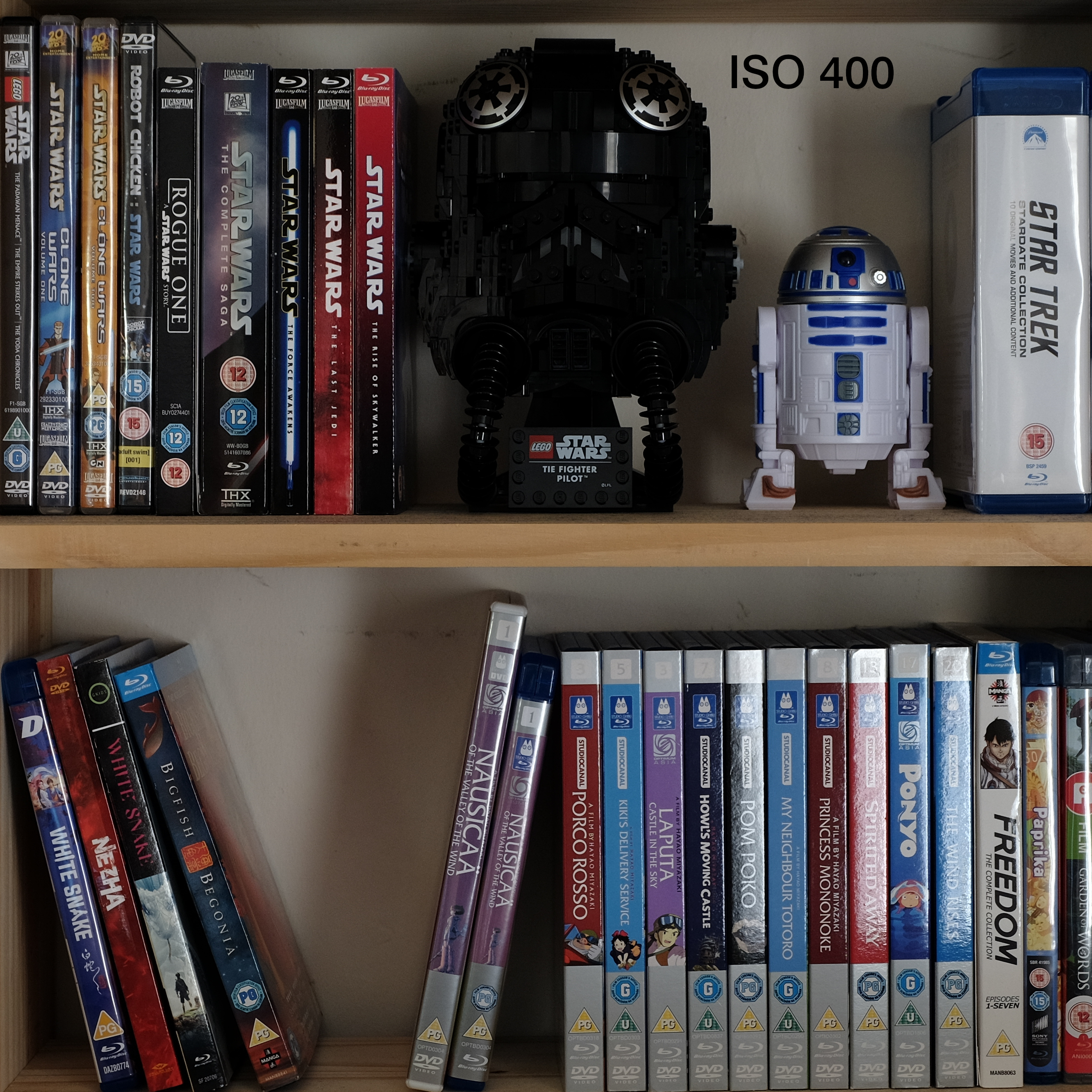
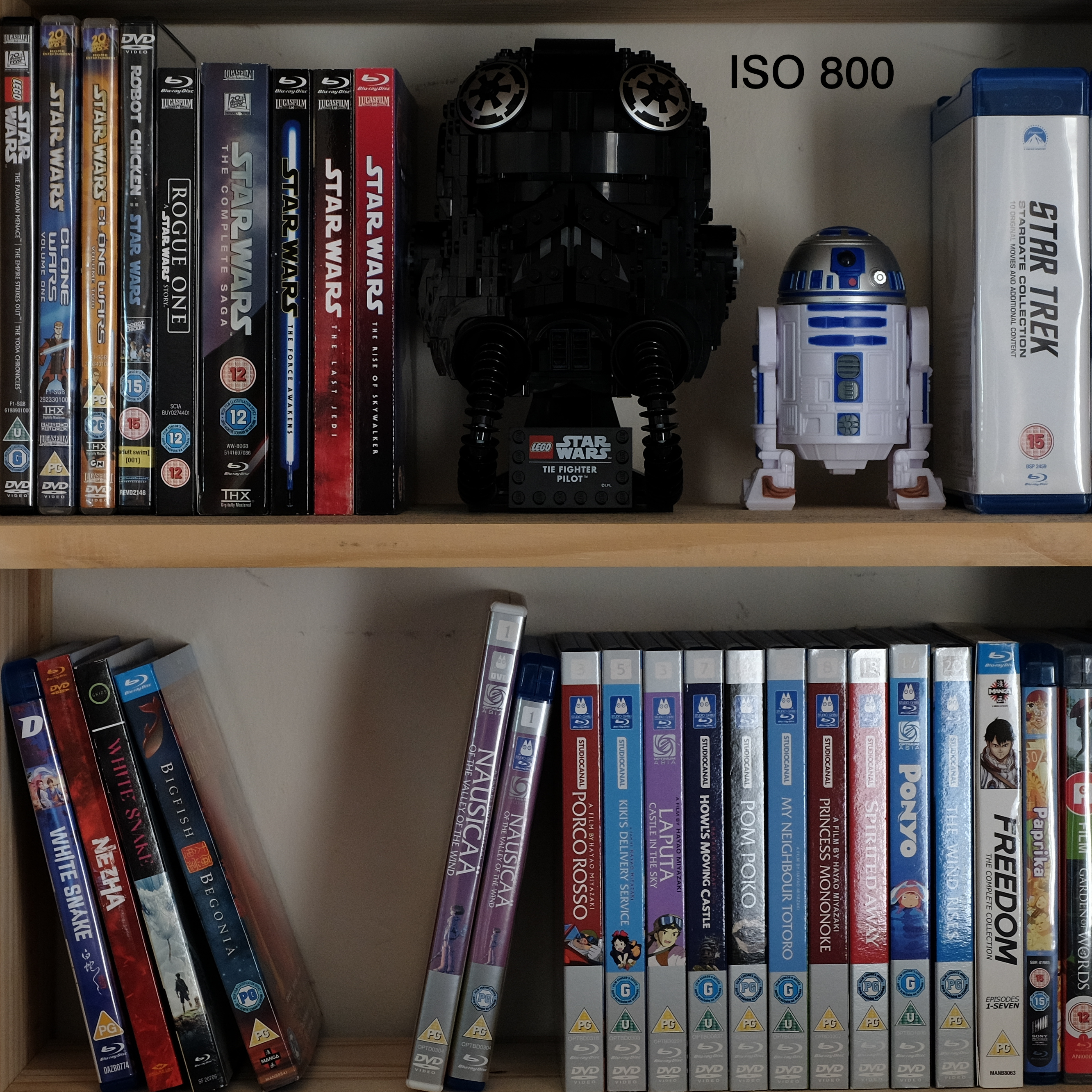
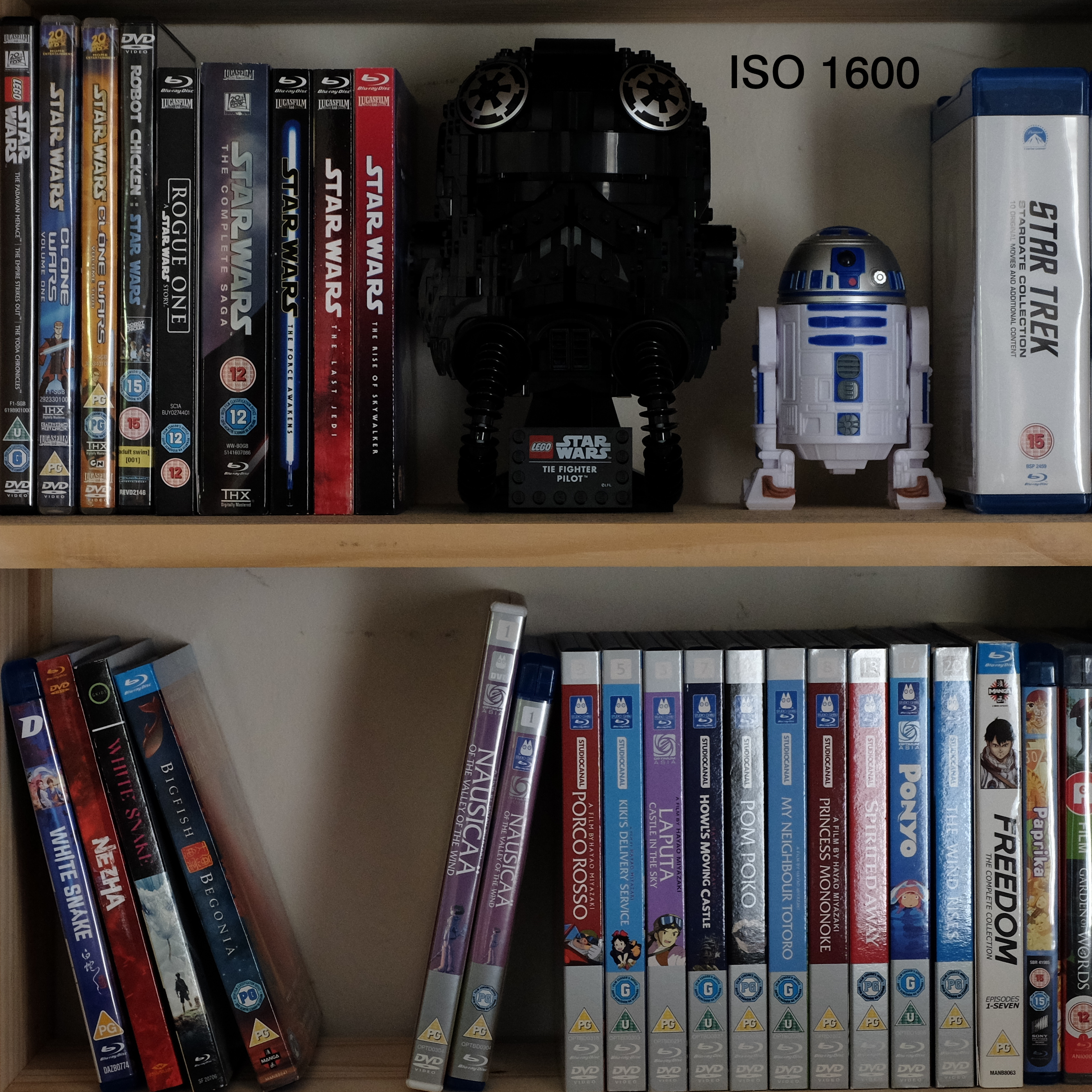
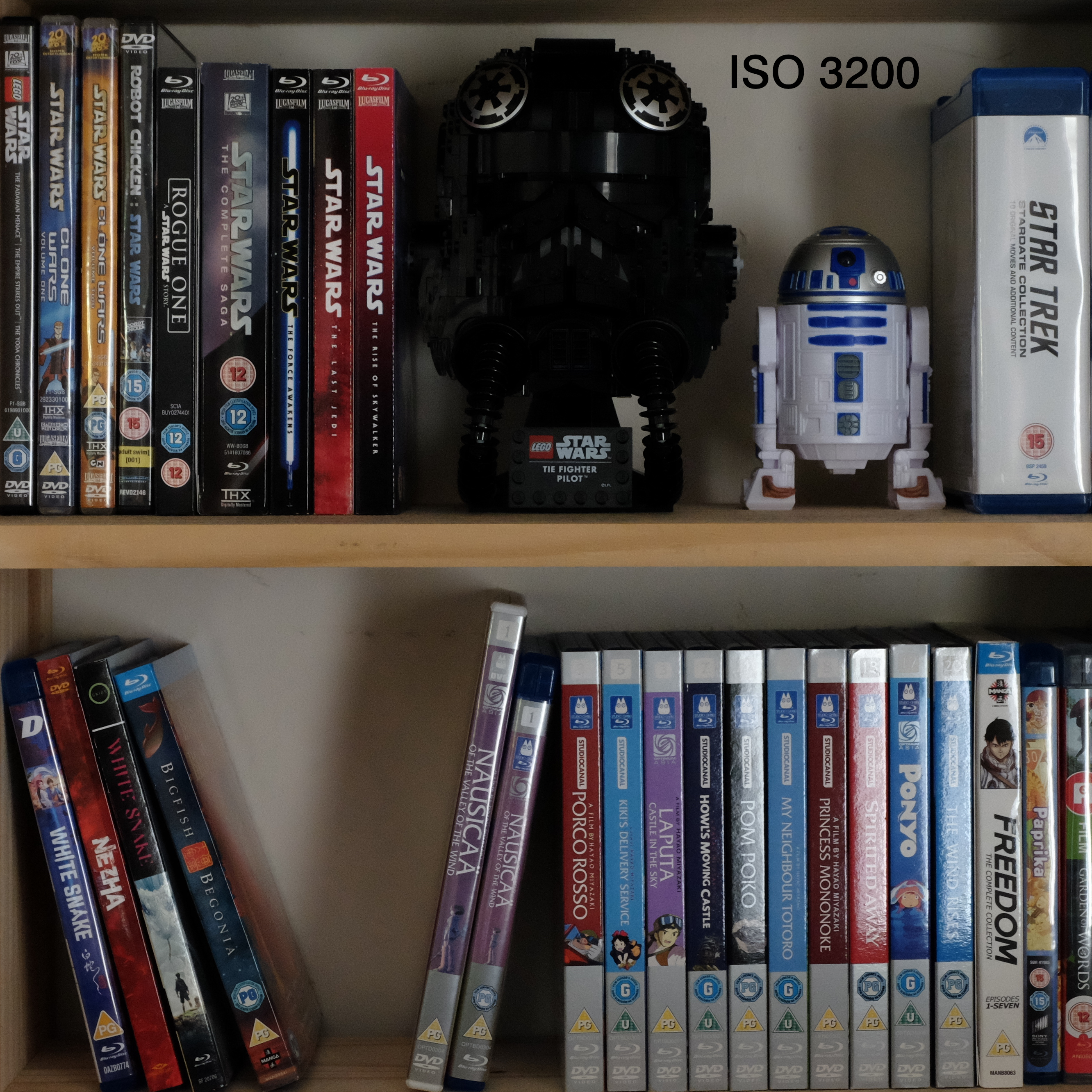
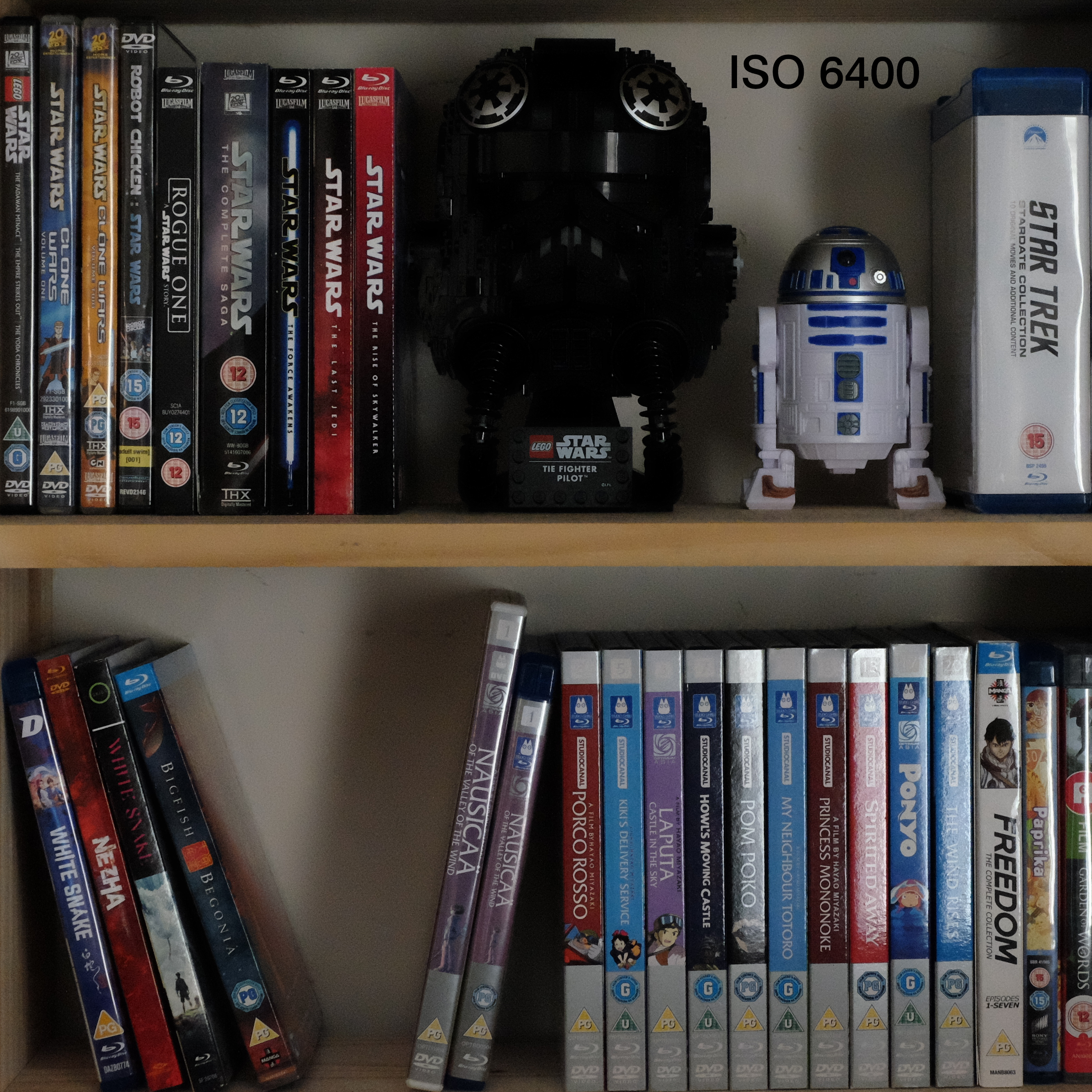
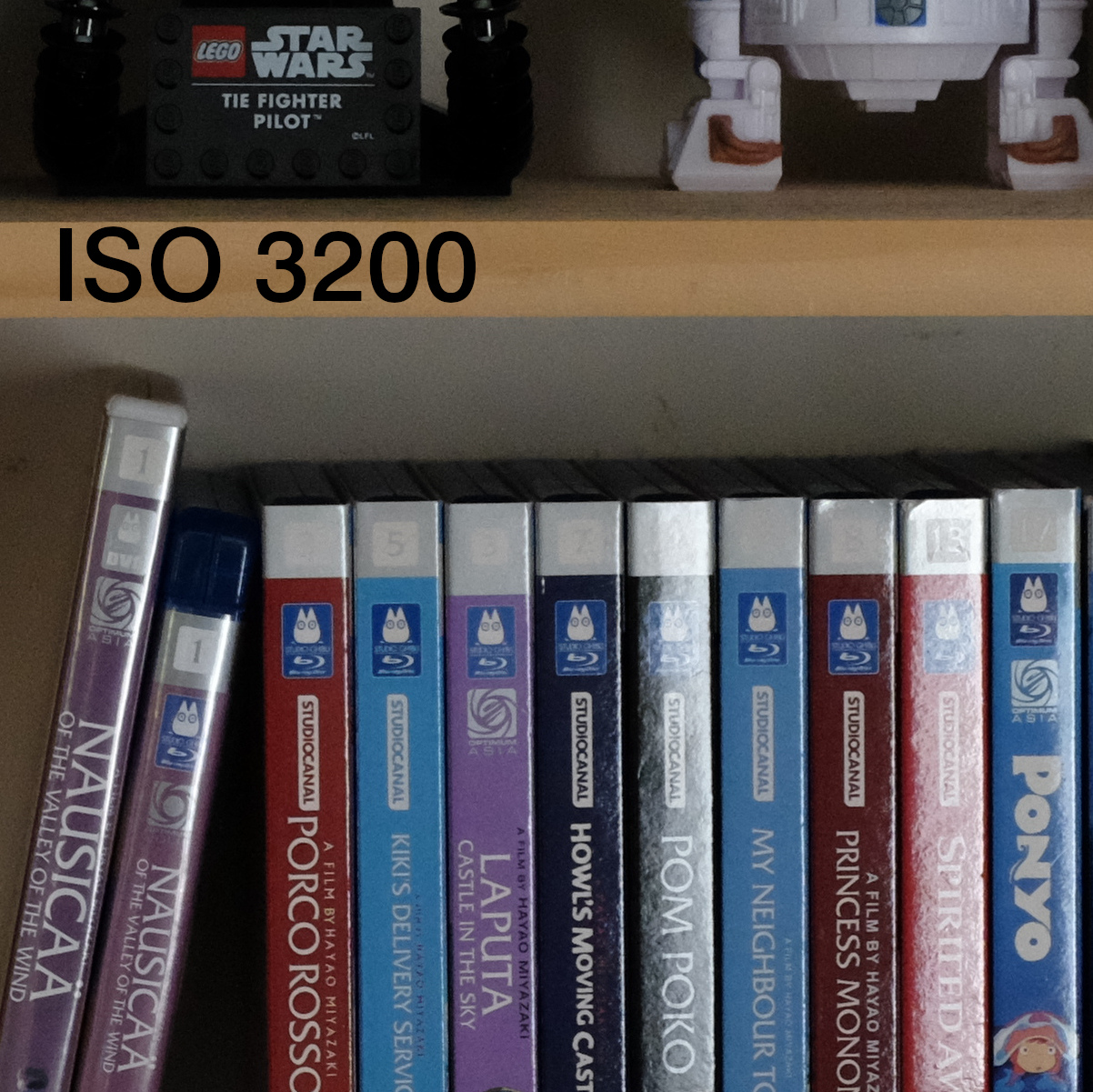
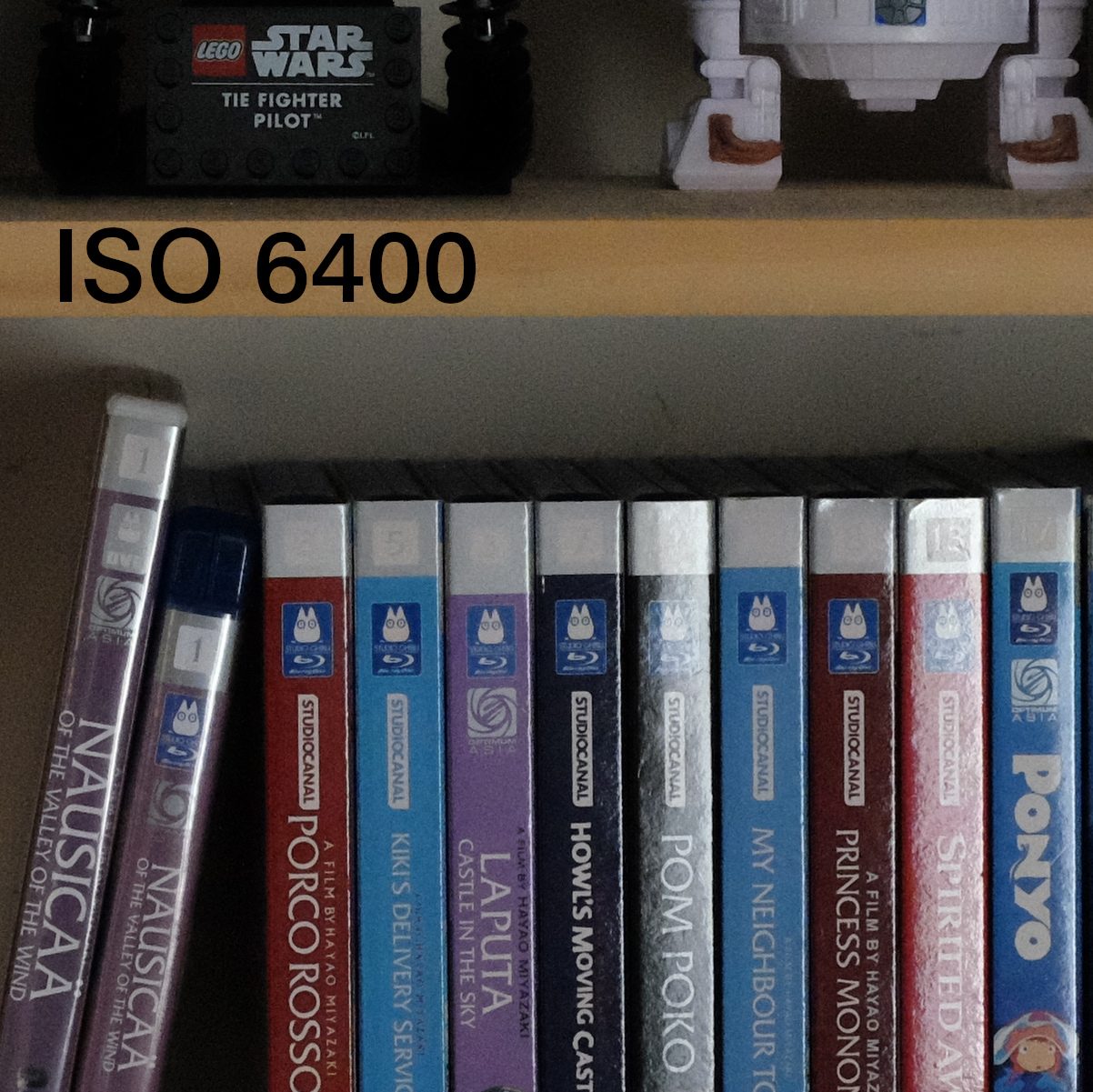
JPGs are great at 400 and 800 ISO. You do start to see some noise start to creep in at 1600 and there is quite a bit at 6400. Images keep their sharpness quite well in exchange for the noise.

So how do the colours compare to the X-T3?

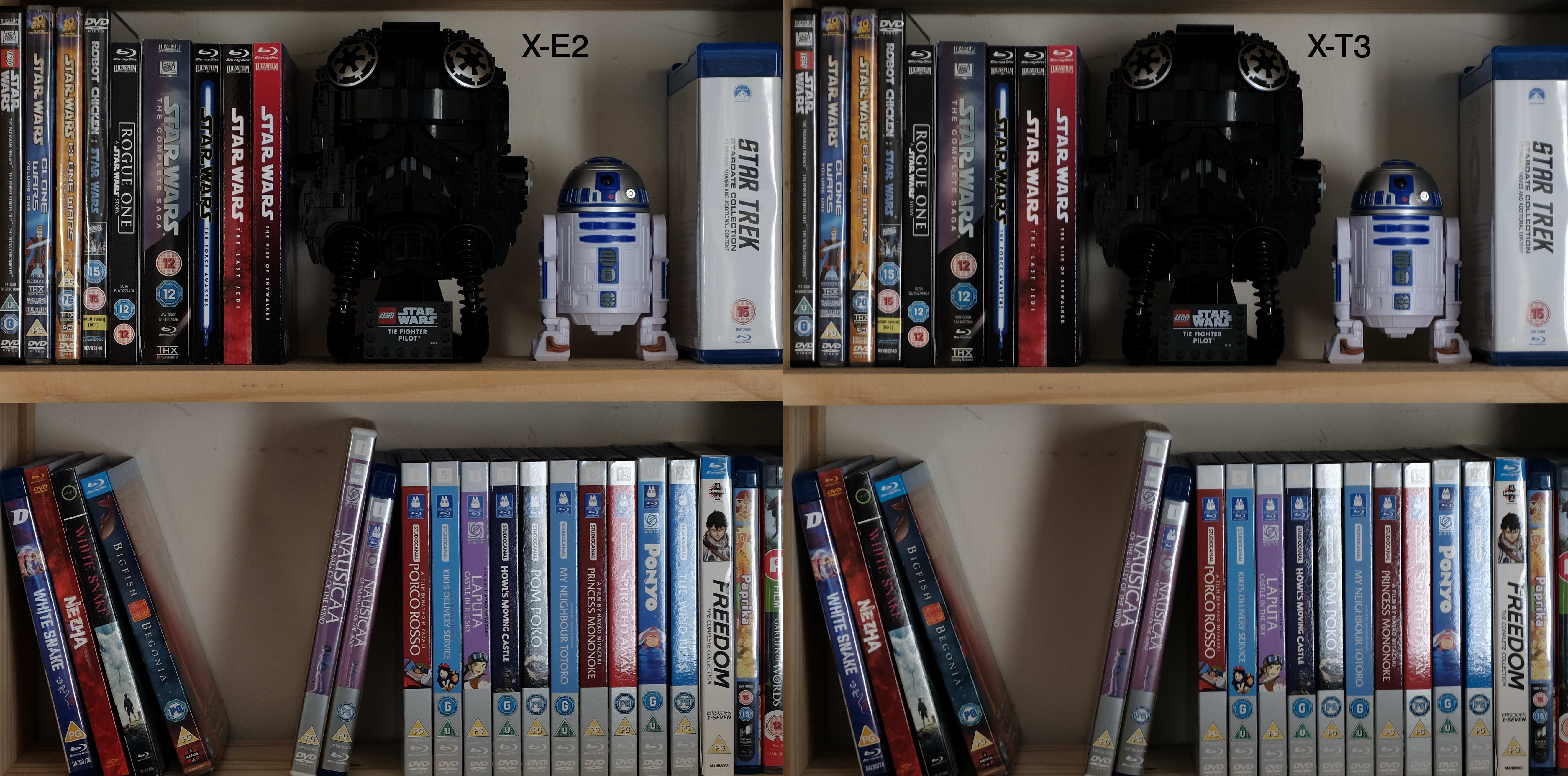
Straight out of camera, you can see a very slight difference in the colours between the two. The X-T3 is slightly less saturated with the same settings, but there really isn’t much to it. I think the X-E2 just edges ahead in the JPG stakes.
As a photographic tool, the X-E2 is a wonderful experience. I never really used it as a video tool, but it will do 1080. I know Fujifilm always seemed to be criticized for its shoddy video – something they have addressed in later generations. I’ve attached a basic video – nothing special, but it’s okay.

In Conclusion

Ultimately though, the question was ‘can an 8 year old camera still deliver the goods in 2021?’I would say the answer is yes. Obviously, you lose some of the newer functions, the better quality at high ISO, faster auto-focus, but if I only had the X-E2 with me, and not the X-T3, then I would still be confident that the camera will deliver the goods.
The X-E2 sells for around £150-£200 without a lens and makes a great cheap entry into the Fujifilm eco-system. It also makes a good back-up body.
Go on. You know you want to 😉